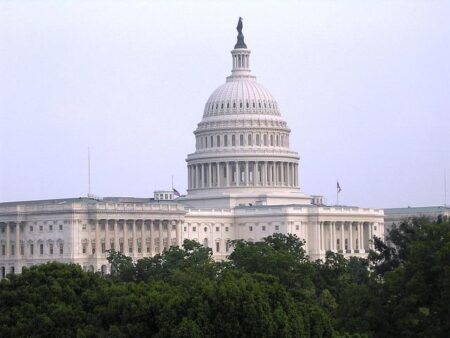
As millions tuned in to the World Cup, a single, familiar image of American soccer emerged: a national team wearing the flag, pulsing with youthful energy and globalized talent, capable of capturing headlines and hearts from coast to coast. But beneath that unifying spectacle lies a tangle of unresolved questions – from youth development and league structures to ownership models, immigration and identity – that resist the tidy narrative of a nation suddenly united by sport. What looks coherent on a stadium screen is, on closer inspection, a patchwork of competing interests and uneven systems that will determine whether this moment becomes lasting progress or a fleeting burst of consensus.
World Cup gives America a unified look and a rare window to reshape the sport
The tournament turned stadiums, broadcasts and merchandise into a single, nationwide visual narrative – an unusual alignment across a country more often defined by regional sporting identities. That alignment created a rare window for coordinated investment: short-term spikes in attendance and viewership translated into bargaining power for leagues, sponsors and broadcasters to demand long-term commitments. Inside that surge were tangible, immediate results:
- Higher local ticket sales and grassroots event attendance
- Consolidated broadcast packages and cross-platform exposure
- Increased sponsor activation focused on national rather than regional markets
Those shifts produced momentum, but momentum alone will not guarantee structural change without policy and funding follow-through from every level of the game.
The complexity now is institutional: competing calendars, fragmented youth development pathways and unequal access to facilities mean the gains can dissipate as quickly as they arrived. Stakeholders face a narrow decision window to translate public enthusiasm into durable systems; the obstacles are practical and political:
- Misaligned league and federation priorities
- Insufficient investment in community-based academies
- Persistent socioeconomic and geographic barriers to participation
| Stakeholder | Immediate Role |
|---|---|
| Federation | Set funding priorities |
| Leagues & Clubs | Align calendars, fund academies |
| Local Governments | Invest in fields and accessibility |
Without coordinated action across those groups, the visual unity created by the event risks becoming a short-lived spectacle rather than the foundation for lasting reform.
Domestic fragmentation threatens lasting momentum; prioritize youth academies, coaching pipelines and equitable investment
As the World Cup leaves a rare national cohesion, the urgent work is turning that momentary unity into durable infrastructure across a fragmented domestic landscape. Reporters and insiders warn the patchwork of MLS academies, college programs, independent clubs and pay-to-play youth systems threatens to funnel the tournament’s surge in interest into narrow channels unless coordinated reforms are enacted. Proposed immediate actions include:
- Scale academy access through subsidies, regional scouting and partnerships with community clubs;
- Develop coaching pipelines with certified apprenticeships, mentorship programs and more full‑time grassroots positions;
- Target equitable investment for field upgrades, travel assistance and scholarships in underserved neighborhoods.
League officials say these steps are central to converting short‑term attention into long‑term participation and talent development.
Policy discussions now center on measurable targets and funding mechanisms that can survive leadership changes and shifting media cycles. Federation briefings outline a national dashboard to track enrollment, coach certification and facility improvements, and pilot budgets are being circulated to test scalable models. A compact summary of near‑term goals under review:
| Focus | 12‑month target |
|---|---|
| Academies | +20% outreach slots |
| Coaching | +30% certified hires |
| Facilities | 10 community field upgrades |
Advocates argue that only sustained public‑private partnerships, clearer federation oversight and enforceable club commitments will keep the momentum from collapsing back into disunity once the tournament glow fades.
Media and commercial partners must broaden coverage and tailor outreach to sustain diverse fan engagement
Broadcasters and sponsors are being forced to reckon with a simple fact: a single, unified World Cup moment masks uneven engagement across communities that don’t see themselves reflected in mainstream coverage. Rights holders who lean solely on primetime matches and star-driven narratives risk losing the younger, immigrant and women’s audiences who prefer localized storytelling, multilingual commentary and accessible viewing windows. Commercial deals that tether promotion to nationalistic imagery or one-size-fits-all ad buys will underperform unless they embrace coverage across languages and platforms, invest in community reporters, and lift storylines beyond the tournament’s marquee matches.
- Multilingual streams and subtitles to reach immigrant households
- Local-feeder content highlighting youth and club-level pathways
- Diverse on-air talent and culturally aware production teams
- Targeted activations rather than blanket national campaigns
| Audience | Outreach example |
|---|---|
| Diaspora communities | Language-specific pregame shows |
| Youth viewers | Short-form social highlights with player stories |
| Casual fans | Accessible ticket pricing + neighborhood screenings |
Industry actors now frame success not by single-match ratings but by retention: can partners convert a World Cup surge into year-round, diversified fandom? Advertisers and rights holders are increasingly judged on long-term metrics-repeat viewership, community partnerships, ticket renewal and merchandise uptake in nontraditional markets-forcing a shift from episodic campaigns to sustained, culturally informed outreach strategies. Those that adapt their editorial and commercial playbooks will keep the post-tournament audience; those that do not risk shrinking into a mono-tonal national echo.
Federal and league-level policy reforms should align calendars, transfer rules and infrastructure funding to turn short-term buzz into systemic progress
Federal policymakers and league officials must move beyond celebratory rhetoric and create a practical playbook that synchronizes competition windows, transfer rules and capital investment. Concrete steps include: aligning domestic calendars with international windows to reduce player availability conflicts; standardizing transfer-registry processes to protect clubs and talent pipelines; and prioritizing infrastructure funding for multi-use community facilities that feed into professional academies.
- Standardize season calendars to match CONCACAF/FIFA windows
- Harmonize transfer rules with clear pathways for youth and lower-division moves
- Target infrastructure grants for grassroots fields and training hubs
Without these coordinated reforms, World Cup-driven attention will be ephemeral; with them, short-term buzz can become measurable growth in participation, talent retention and market stability. The table below outlines plausible short-, medium- and long-term outcomes that federal and league alignment could trigger across communities and the professional pyramid.
| Timeframe | Primary Outcome | Indicator |
|---|---|---|
| 1-2 years | Reduced scheduling conflicts | Fewer international-call absences |
| 3-5 years | Stronger talent pipelines | Higher youth-to-pro promotion rates |
| 5+ years | Sustainable infrastructure | Increased community facility usage |
The Way Forward
The World Cup offered a rare, unifying spectacle that gave the country a collective identity for a brief moment. Beneath the jerseys and shared viewing habits, however, lie entrenched structural and political challenges – from youth development and league calendars to investment gaps and labor disputes – that a single tournament cannot resolve. Converting the tournament’s goodwill into lasting progress will require coordinated action by federations, leagues, owners, cities and supporters, and concrete commitments to infrastructure, equity and long-term player pathways. For now, the World Cup provided a clear, if fleeting, portrait of what American soccer can look like; whether that image becomes a road map or a memory remains to be seen.