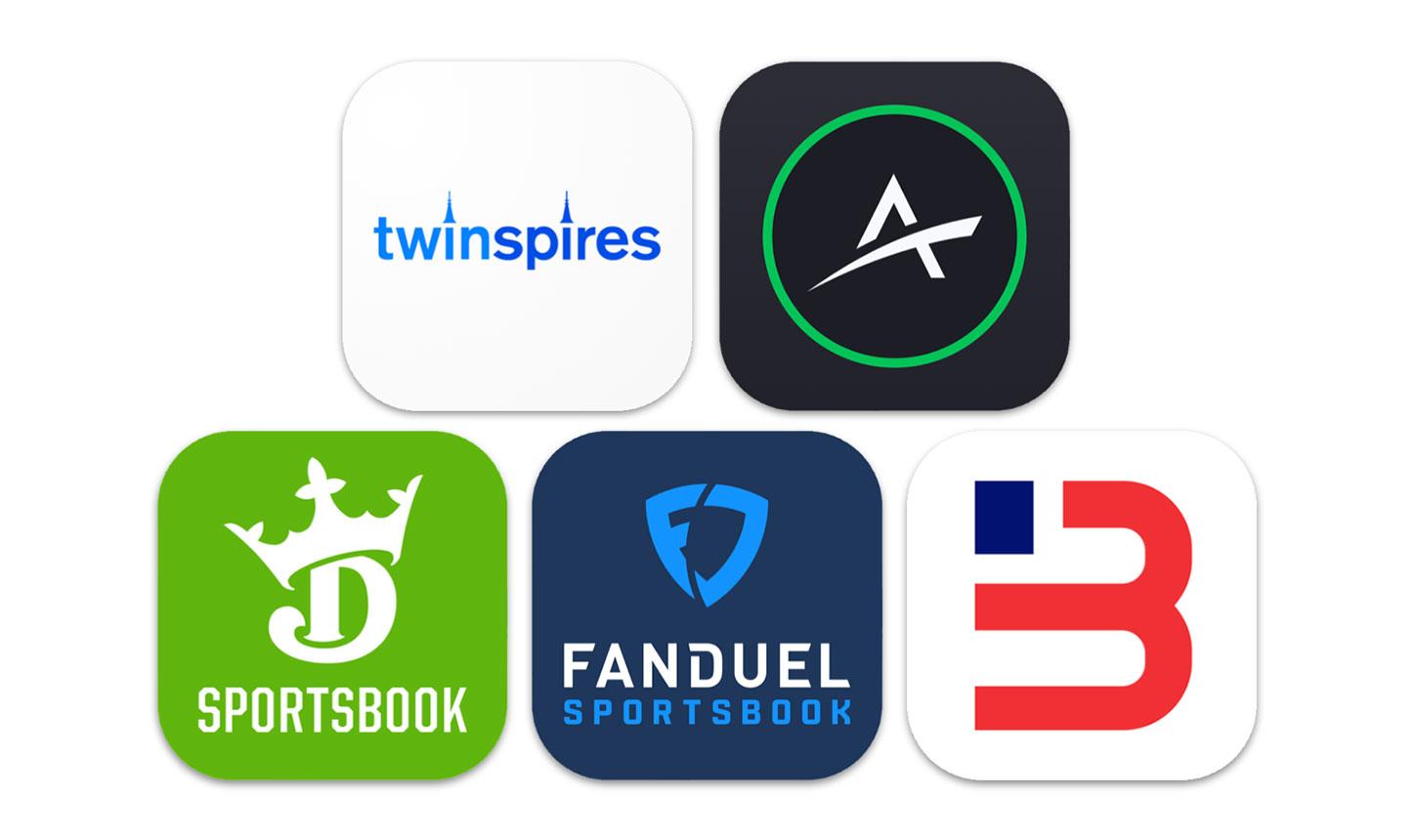
The New York Times reports that sports-betting companies are deploying a powerful new set of tools inside their mobile apps to keep users wagering longer and more frequently. Using real‑time data, algorithmic personalization and instant in‑app incentives, operators can identify moments of vulnerability and prompt customers to place another bet with tailored offers and notifications. Critics and regulators warn this hyper‑targeted approach can intensify gambling harms and outpace existing consumer protections, while industry executives say it simply enhances user experience. The move marks a turning point in how betting firms compete for attention in an already booming market – and raises fresh questions about oversight and responsibility.
Sports Betting Apps Use Real Time Odds and Personalized Alerts to Keep Users Gambling
Bookmakers now feed bettors a continuous stream of instantly changing prices and curated prompts, turning routine app checks into a steady cadence of wagering opportunities. Using millisecond updates to odds and machine-learning profiles of individual behavior, operators send targeted push alerts timed around momentum shifts, injuries and lineup changes. The approach blends market signals with behavioral design: short, actionable messages that lower the friction to place a bet and amplify urgency.
- Live odds updates that change as the game plays
- Personalized alerts tied to past bets and time-of-day activity
- In-play suggestions that encourage additional stakes
Industry insiders and consumer advocates say the tools are effective at increasing frequency and stake size, while regulators worry they amount to automated inducements. A small illustrative table used by product teams shows how specific features map to user response, and experts argue for guardrails such as consented alert settings and cooling-off windows.
| Tool | Potential impact |
|---|---|
| Real-time odds | Higher bet volume |
| Behavioral alerts | Increased re-engagement |
| Adaptive offers | Raised stakes per user |
- Proponents call it consumer convenience and efficient markets
- Critics warn of intensified risk for problem gambling
Internal Documents Reveal How Algorithms Map Betting Habits and Deliver Tailored Offers to Maximize Spending
Internal documents reviewed by reporters outline a sophisticated analytics pipeline that turns every tap, wager and pause into predictive signals used to shape personalized incentives. Algorithms assign players “propensity scores” for risk tolerance and churn, cluster users into fine-grained segments and then trigger micro-offers-small, timely bonuses, tailored odds boosts and targeted loss-recovery credits-designed to increase short-term stake size and long-term engagement. The files describe a feedback loop where behavioral signals are continuously fed back into models to sharpen targeting; examples cited include:
- Time-of-day betting patterns mapped to push-notification schedules
- Stake volatility used to time “reload” offers when a player dips
- Cross-sell suggestions (parlays, in-play) based on event-specific betting histories
- Dynamic odds nudges to push marginal bets over the user’s comfort threshold
These tactics are framed internally as ways to “optimize wallet share,” but the documents also show deliberate segmentation aimed at players most likely to respond to higher-risk propositions.
Data tables in the materials quantify expected returns from each tactic, suggesting firms model not just engagement but how to maximize lifetime value through incremental spending nudges. For instance, a small, targeted odds boost sent during a player’s high-propensity window was projected to lift monthly wagering by double digits in test cohorts:
| Behavioral Signal | Offer Type | Projected Lift |
|---|---|---|
| Late-night streaks | Free-bet + boosted odds | +12% |
| Recent losses | Loss-recovery credit | +8% |
| High-stakes parlay history | Parlay insurance | +15% |
Regulators and consumer advocates say the mapping and micro-targeting raise ethical concerns-listed in the documents as “operational risks”-including the potential to exploit vulnerable bettors and obscure how offers are tailored. The reporting highlights a growing debate over whether these algorithmic strategies cross the line from personalization into engineered dependency.
Regulators and Industry Face Pressure to Require Cooling Off Periods Transparent Algorithms and Limits on Live Promotions
Regulators, consumer advocates and some lawmakers are intensifying calls for concrete safeguards as evidence mounts that app-driven features can nudge bettors into prolonged play. Pressure is focusing on three pillars: mandatory cooling‑off periods, greater transparency around the algorithms that tailor in‑play offers, and strict limits on flash promotions during live events. Advocates point to studies and anecdotal reports showing that personalized in‑app alerts and dynamic odds can turn short sessions into hours-long spending sprees; industry defenders counter that restrictions could curtail innovation and customer engagement. Proposed measures under discussion include:
- Temporary self‑exclusion windows required to be available and actively promoted to users
- Independent audits of recommendation and risk‑scoring algorithms
- Caps on live promotions and forced delays between offers
Regulators in several jurisdictions are weighing rulemaking that would force operators to disclose how targeting works and to implement default safeguards; trade groups are lobbying for voluntary codes instead. The debate is shifting from whether tech can harm bettors to what mandatory guardrails should look like, with some legislators proposing specific timelines for implementation. Below is a short summary of the options being debated and the likely stakeholders for each.
| Measure | Intended Impact | Likely Backers |
|---|---|---|
| Cooling‑off Periods | Reduce impulsive spending | Consumer groups, some regulators |
| Algorithm Audits | Increase transparency | Academics, watchdogs |
| Limits on Live Promotions | Lower real‑time inducements | Public health advocates |
Practical Steps for Consumers Set Limits Turn Off Notifications and Use Self Exclusion Services
Consumers can blunt the apps’ pull with a few immediate, practical moves: set deposit and time limits through app settings or your bank, turn off push notifications and mute marketing e-mails, and restrict auto-login features on devices. Useful steps include:
- Daily/weekly deposit caps – set lower than you think you need
- Session time limits – force a cooldown after a preset period
- Disable notifications – block app alerts in phone settings
- Remove saved cards – delete payment methods from apps and browsers
These moves are immediate and reversible, offering a first line of defense against impulsive bets without requiring formal enrollment in support programs.
For longer-term protection, experts recommend enrolling in self-exclusion programs-state-run or industry-hosted-and using third-party blockers on devices; self-exclusion can stop marketing and block account access for fixed periods. The table below outlines quick options and typical activation times for consumers choosing protection:
| Action | How | Typical activation |
|---|---|---|
| Turn off alerts | Phone settings → App notifications | Immediate |
| Deposit limits | App responsible gambling settings | Minutes to hours |
| Self-exclusion | Operator/state register | Immediate to 24 hours |
Pairing limits with counseling hotlines and bank transaction alerts creates a layered approach that, according to clinicians interviewed, materially reduces harm when consistently applied.
Closing Remarks
As sports-betting operators refine the data-driven tools that keep users engaged, the line between convenience and coercion is narrowing. Advocates and some lawmakers say tighter rules, clearer disclosures and independent research are needed to ensure that personalized alerts and in-app incentives do not exploit vulnerable players. The industry contends it is investing in safeguards and responsible-gambling features, but regulators and public-health experts warn that technology is evolving faster than oversight. The coming months – and the policy choices made by states and platforms – will determine whether these powerful tools are shaped to protect consumers or to deepen their reliance on gambling.