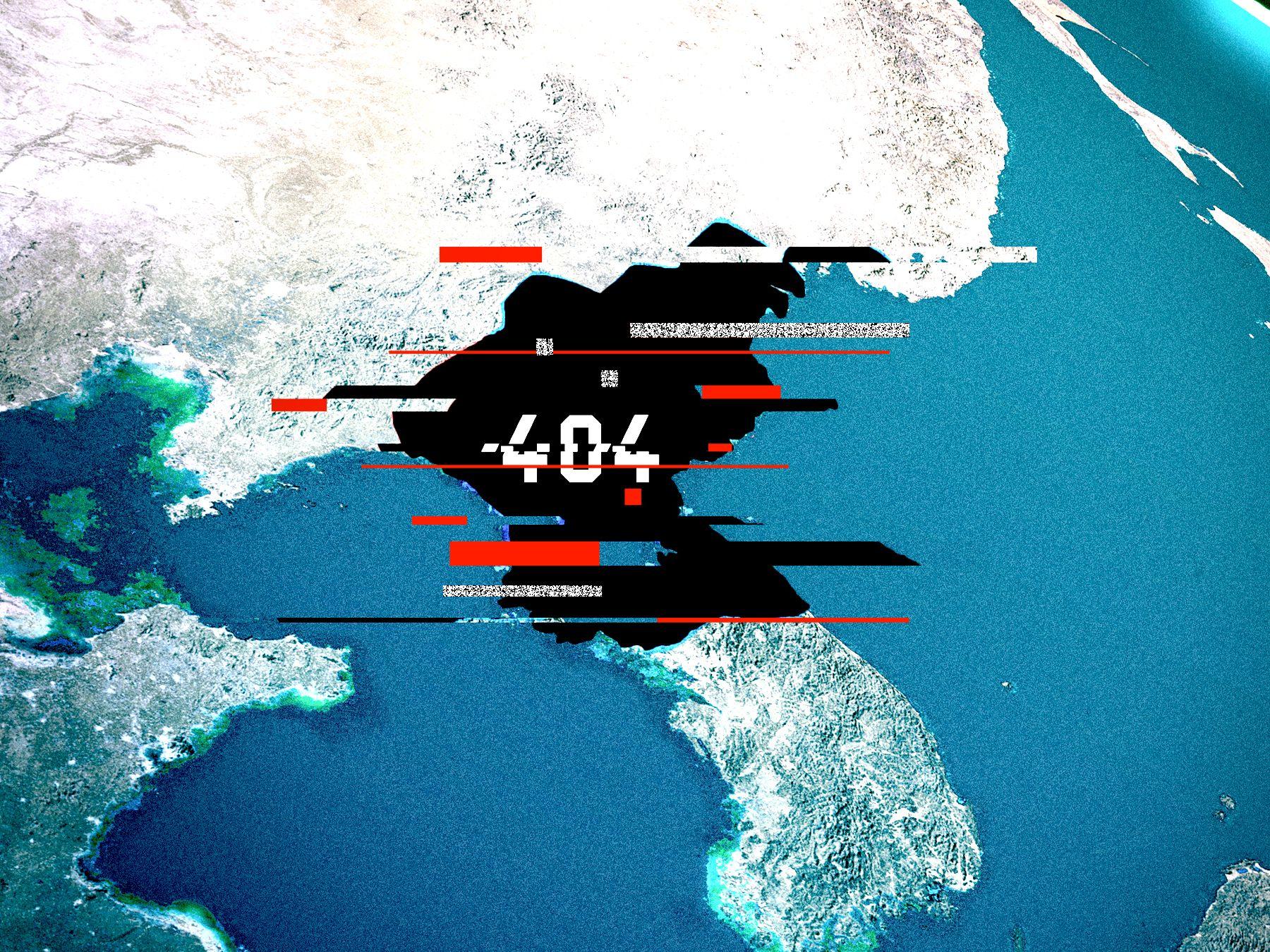
Title: When Geopolitics Went Digital: The Sony Pictures Breach and the Rise of State-Sponsored Cyberwarfare
Overview: a landmark digital assault
In late 2014, a coordinated cyber intrusion crippled Sony Pictures Entertainment, exposing unreleased movies, private employee records and internal communications. U.S. intelligence agencies later assessed with high confidence that operatives linked to North Korea were responsible for the intrusion. Beyond its immediate financial and reputational fallout, the incident became a watershed moment in how governments, corporations and the public perceive state-sponsored cyber aggression.
Reconstructing the attack: timeline and technical clues
The breach unfolded during the production and promotion of the comedy film The Interview, which depicted a fictional plot against North Korean leader Kim Jong-un. Investigators identified several indicators that tied the operation to DPRK-linked actors:
– Digital footprints: forensic analysis traced command-and-control activity to IP addresses and routing patterns previously associated with North Korean infrastructure.
– Code similarities: malware discovered on Sony’s systems shared code characteristics and development patterns seen in prior attacks attributed to North Korean groups.
– Operational timing: the campaign synchronized with the film’s marketing milestones, suggesting a politically motivated objective rather than opportunistic criminality.
These elements, combined with intelligence assessments and later legal action, formed the basis for U.S. officials’ conclusion that the attack was state-directed.
Scope and consequences: beyond stolen files
The Sony cyberattack combined data theft with destructive tactics, leaving the company’s networks damaged and backups disabled. The consequences were broad and multifaceted:
– Personal exposure: thousands of employees had sensitive personal data published, including social security details and private correspondence.
– Business disruption: core IT systems were rendered inoperable for days to weeks, delaying projects and halting normal operations.
– Financial toll: direct and indirect costs-restoration, legal fees, settlements and lost revenue-were reported to be well into eight figures, with some estimates exceeding $100 million.
– Cultural and policy impact: the incident sparked debates on the balance between corporate risk, free expression, and the role of governments in deterring cyber coercion.
For context, high-profile attacks like Sony’s helped drive a marked increase in corporate security spending. Industry reports in the early 2020s showed the average cost of a data breach climbed into the millions, and forecasts by cybersecurity analysts projected global cybercrime damages reaching into the trillions annually-underscoring how state-backed campaigns raise the stakes for enterprises worldwide.
How the world responded: legal, technical and diplomatic moves
The Sony episode catalyzed action across multiple fronts:
– Law enforcement and prosecution: U.S. authorities later indicted individuals tied to the intrusion, and the case fed into a broader pattern of indictments and sanctions against actors linked to North Korean cyber operations (including charges announced in subsequent years for related campaigns such as ransomware and cryptocurrency theft).
– Corporate practices: organizations accelerated investments in detection and resilience-implementing stricter access controls, endpoint protection, and offline backups after observing how destructive malware can erase recovery options.
– Diplomatic signaling: governments used public attribution and sanctions as tools to signal consequences for state-sponsored cyberattacks, while also pushing for clearer international norms governing acceptable behavior in cyberspace.
Lessons for defenders: modernizing cybersecurity posture
Experts who examined the Sony breach emphasize that preventing and mitigating state-level cyber threats requires both technical depth and organizational readiness. Recommended measures include:
– Adopt “zero trust” principles: treat all internal and external requests skeptically, with continuous verification of identities and devices.
– Harden backups and recovery: maintain immutable, air-gapped backups so destructive malware cannot erase recovery points.
– Multi-layered detection: combine endpoint detection, network analytics and threat intelligence to spot anomalous activity earlier.
– Rigorous access governance: enforce least privilege, multifactor authentication and strict change controls for privileged accounts.
– Regular exercises: conduct tabletops and red-team simulations that reflect nation-state tactics, techniques and procedures (TTPs).
Policy and diplomacy: shaping norms and deterrence
Because cyber operations can carry political objectives, many analysts argue technical defenses alone are insufficient. Key policy responses recommended by cybersecurity and foreign-policy specialists include:
– Establishing clearer international norms: multilateral agreements can define unacceptable cyber behaviors and outline proportional responses.
– Strengthening public-private collaboration: rapid information sharing between governments and industry improves collective detection and attribution capabilities.
– Expanding attribution transparency: credible, evidence-based public attribution deters future attacks by increasing reputational and diplomatic costs for perpetrators.
– Preparing rapid response coalitions: multinational incident response teams can assist victims and coordinate remediation in high-impact breaches.
A contemporary perspective: evolving threats and ongoing risks
Since the Sony incident, North Korea’s cyber program has been implicated in a widening range of operations-from disruptive intrusions to financially motivated thefts, including cryptocurrency heists. In parallel, other states have developed offensive cyber capabilities, making attribution, escalation and deterrence central issues of international security.
For businesses, the takeaways are clear: treat cybersecurity as strategic risk management, not just an IT problem. Investments in resilience, clarity about critical assets, and close coordination with national cybersecurity authorities are now essential components of corporate governance.
Conclusion: a turning point in cyber geopolitics
The Sony Pictures breach marked an early, vivid example of how state-aligned cyber operations can inflict physical, financial and political harm on private organizations. It clarified that cyber conflict can blur the lines between espionage, sabotage and coercion. As the digital front of geopolitics continues to expand, the episode remains a reminder that preparedness, cooperation and policy innovation are required to reduce vulnerability and deter future state-sponsored cyberattacks.