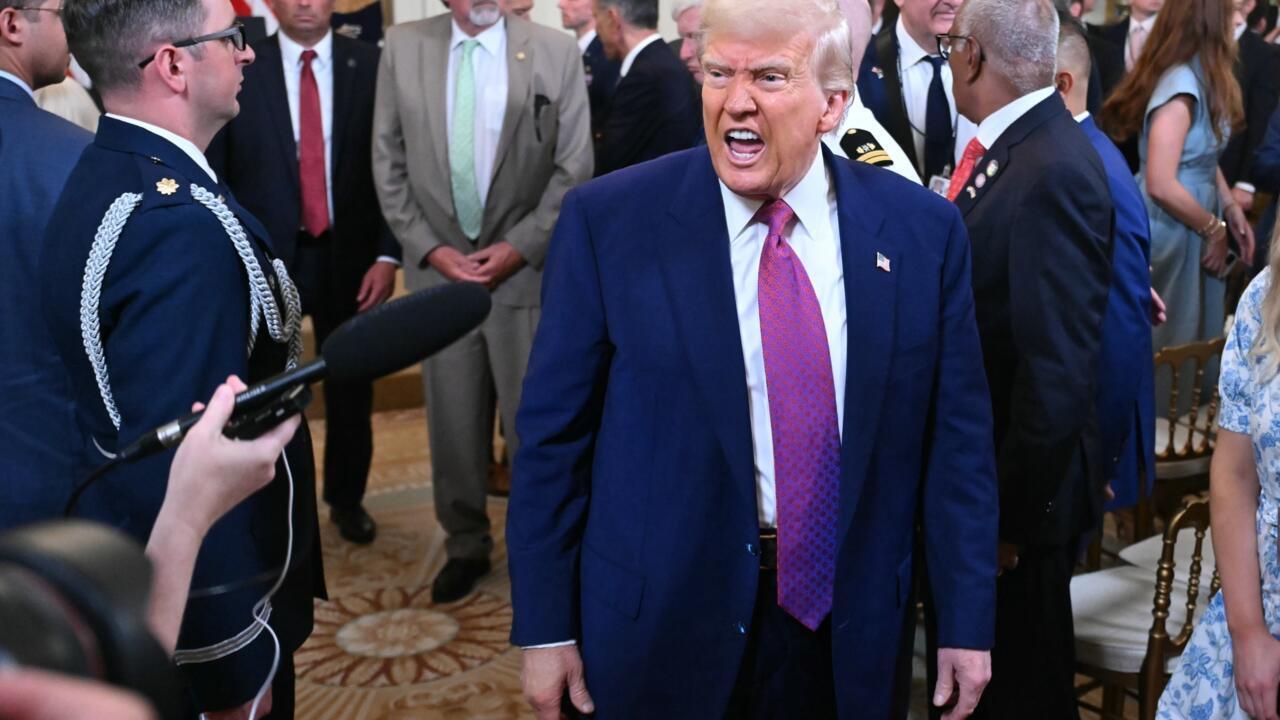
As tensions escalate between Israel and Iran, the global community watches closely for signals from major powers. Former President Donald Trump’s protracted hesitation in responding to the unfolding conflict has stirred debate over its impact on the region’s stability and the strategic calculations of both nations. This article examines the implications of Trump’s delayed decision-making, exploring how it reverberates across diplomatic channels and alters the prospects for peace or further confrontation in one of the world’s most volatile hotspots.
Trump’s Strategic Hesitation Raises Tensions in the Middle East
In a move that has perplexed allies and adversaries alike, former President Trump’s delayed response to the escalating conflict between Israel and Iran is fueling uncertainty throughout the Middle East. This hesitation is perceived by many regional powers as a strategic calculation, one that risks emboldening hardline factions and destabilizing fragile diplomatic balances. The postponement of decisive action has allowed militant groups to consolidate, while Israel and Iran brace for prolonged tension without clear U.S. leadership, raising concerns over potential spillover effects that could ignite further violence.
Key repercussions of the delayed decision include:
- Heightened military alertness along border zones, increasing the risk of accidental engagements.
- Strained relations with moderate Arab states, who seek reassurance amid fears of widespread conflict.
- Empowerment of proxy groups leveraging the power vacuum to expand their influence.
| Country | Current Stance | Potential Impact |
|---|---|---|
| Israel | Defensive readiness | Extended conflict risk |
| Iran | Strategic patience | Irritant to negotiations |
| U.S. | Hesitation | Alliance uncertainty |
Impact of Delayed U.S. Response on Israel and Iran’s Military Calculations
President Trump’s hesitation to act swiftly has significantly altered the strategic environment for both Israel and Iran. For Israel, the delay has translated into a heightened sense of vulnerability, forcing the Israeli Defense Forces (IDF) to recalibrate their operational timelines and defensive postures. The lack of immediate U.S. military backing compels Israeli commanders to rely more heavily on intelligence and local resources, which may constrain their ability to launch pre-emptive or retaliatory strikes with the usual confidence. This recalibration impacts not only tactical decisions but also political calculations, as Israeli leadership navigates increased domestic pressure while attempting to demonstrate strength to Tehran.
- Operational Autonomy: Israel is compelled to act more independently than before.
- Strategic Deterrence: Reduced U.S. support risks emboldening Iranian proxies.
- Political Pressure: Israeli leadership faces heightened expectations for decisive action.
On the other side, Iran’s military planners view the delayed U.S. response as a strategic window of possibility. Tehran interprets the hesitancy as a potential weakening of U.S. commitment to regional security, which emboldens its elite Revolutionary Guards Corps and affiliated militias. This perception encourages Iran to escalate asymmetric tactics, including cyber operations and missile strikes, to test Israel’s defenses and probe the limits of American patience. The delay also buys Tehran crucial time to consolidate its regional alliances and bolster its missile arsenals, which could shift the balance of power in future confrontations.
| Country | Impact | Military Response |
|---|---|---|
| Israel | Constrained operational scope | Enhanced intelligence reliance |
| Iran | Emboldened asymmetric tactics | Expanded missile arsenals |
Consequences for Regional Stability and Global Diplomatic Efforts
President Trump’s hesitation to make a decisive move in the escalating Israel-Iran conflict has sent ripples through the volatile Middle Eastern region. This delay undermines the fragile balance that has, until now, kept broader conflicts at bay.Regional allies and adversaries alike are recalibrating their strategies, wary of a power vacuum that could embolden militant factions and heighten cross-border hostilities. The postponement creates a climate of uncertainty, where distrust flourishes and diplomatic bridges risk crumbling under the weight of overt security concerns.
On the global stage, this indecision complicates efforts by international mediators striving to engage both Tehran and Jerusalem in dialog. The stalemate threatens to stall progress on critical negotiations around nuclear non-proliferation and regional arms control. Key diplomatic players are voicing concern over the growing potential for miscalculations that could spiral into full-scale conflict. The consequences are evident across multiple fronts:
- Increased military posturing by state and non-state actors.
- Reduced space for diplomatic negotiations as tensions rise.
- Widening rifts between allied nations on how to respond effectively.
- Amplified humanitarian risks for civilian populations caught in the crossfire.
| Impacted Sector | Potential Outcome |
|---|---|
| Energy Markets | Volatility in oil prices |
| International Diplomacy | Stalled peace talks |
| Regional Security | Escalation of proxy conflicts |
| Humanitarian Aid | Access restrictions |
Policy Recommendations for Navigating the Escalating Conflict
In light of the increasing volatility between Israel and Iran, it is indeed imperative that international actors adopt a multifaceted approach to de-escalation. Diplomatic engagement must be prioritized, leveraging back-channel communications to create space for dialogue and reduce misperceptions. Regional powers should be encouraged to act as mediators, while global bodies like the United Nations reassert their roles in conflict resolution to prevent further military escalation.
Strategic economic and security measures are equally critical. Sanctions should be carefully calibrated to target military capabilities without exacerbating civilian hardships. Intelligence sharing among allied nations can facilitate preemptive actions to intercept provocative moves, but this must be balanced against risks of entrapment in an expanding conflict.Key recommendations include:
- Enhancing communication channels to avoid unintended clashes
- Supporting humanitarian corridors to assist affected populations
- Investing in conflict early-warning systems through regional partnerships
- Maintaining a flexible military posture to deter but not provoke further escalation
| Policy Area | Recommended Action | Expected Outcome |
|---|---|---|
| Diplomacy | Facilitate third-party mediation | Reduced tensions and dialogue resumption |
| Sanctions | Target military supply chains selectively | Limitation of conflict escalation capabilities |
| Humanitarian Aid | Create safe zones for civilian relief | Minimized civilian suffering and displacement |
To Wrap It Up
As the situation in the Israel-Iran conflict continues to evolve,former President Trump’s delayed response remains a focal point for analysts and policymakers alike. The implications of his hesitation are likely to influence diplomatic strategies and regional stability in the months ahead. Observers will be watching closely to see how this calculated pause shapes the broader geopolitical landscape in the Middle East.