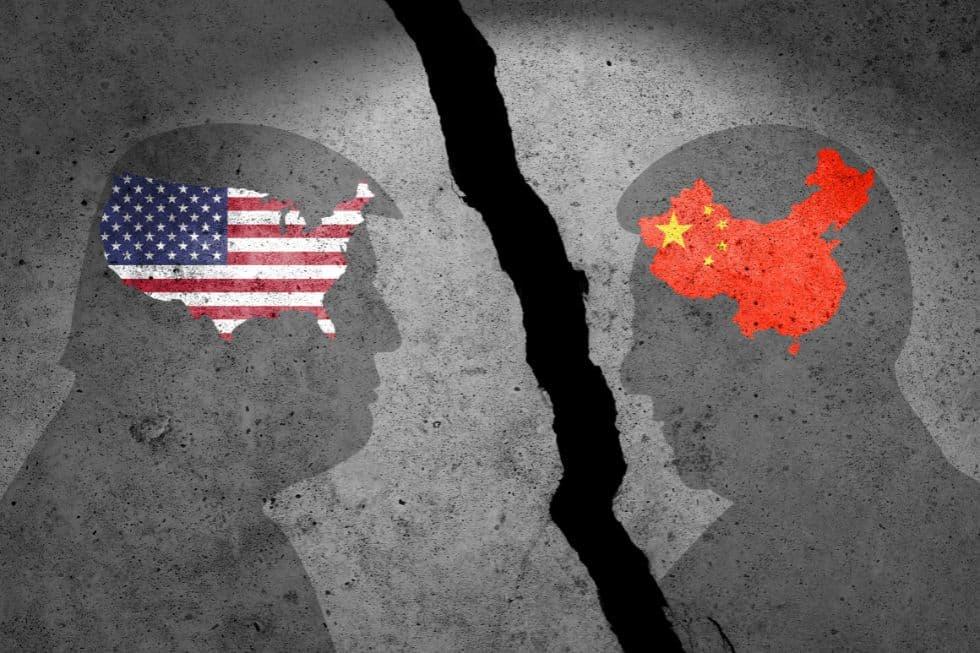
U.S.-China Trade Relations at a Pivotal Crossroads Amid Ongoing Economic Tensions
Complex Dynamics Define the Current U.S.-China Trade Dispute
The economic relationship between the United States and China remains fraught with challenges as both countries prepare for crucial negotiations amid a fragile global economic environment.Years of escalating tariffs, disputes over intellectual property rights, and restrictions on technology transfers have created a tangled web of issues that continue to strain bilateral ties. This upcoming dialog represents a notable opportunity to either alleviate tensions or exacerbate the ongoing conflict, with far-reaching consequences for international markets and economic stability.
Central topics under discussion include:
- Tariff policies: Debates over potential reductions or increases in trade duties.
- Technology sharing: Controversies surrounding compulsory transfer of proprietary innovations.
- Market accessibility: Demands for equitable conditions to compete in each other’s markets.
| Issue | U.S. Viewpoint | China’s Stance |
|---|---|---|
| Tariffs | Advocate for tariff reductions while retaining negotiation leverage | Insist on tariff removals to stimulate economic growth |
| Technology | Restrict Chinese access to sensitive technologies | Reject limitations, emphasizing national sovereignty |
| Trade Deficit | Focus on reducing trade imbalance | Encourage export expansion |
Economic Stakes and Diplomatic Complexities in the U.S.-China Trade Talks
The forthcoming discussions between Washington and Beijing occur against a backdrop of intensifying economic friction that threatens to reshape global commerce. Prolonged tariff impositions and disruptions in supply chains have contributed to inflationary trends worldwide, complicating recovery efforts from recent economic downturns. Core issues such as intellectual property enforcement, technology transfer protocols, and equitable market access remain contentious and will heavily influence the future of bilateral trade relations.
Navigating these talks requires balancing domestic political pressures with the demands of international economic diplomacy. The United States aims to limit China’s technological advancements without undermining global trade, while China seeks to safeguard its burgeoning industries from external interference. Key priorities include:
- Strengthening supply chain resilience amid global uncertainties and geopolitical risks
- Protecting intellectual property rights while fostering innovation
- Addressing trade imbalances through fair competition policies
- Reducing non-tariff barriers that hinder market entry and expansion
| Sector | U.S. Concerns | China’s Objectives |
|---|---|---|
| Technology | Safeguarding intellectual property and limiting tech transfer | Achieving technological self-reliance and innovation independence |
| Manufacturing | Mitigating tariff impacts on exports | Diversifying supply chains to reduce foreign dependency |
| Energy | Securing access to critical resources | Investing heavily in renewable energy sectors |
Global Market Volatility and Supply Chain Disruptions Amid Trade Tensions
The ongoing friction between the U.S. and China has generated significant volatility in global financial markets, unsettling investors and businesses worldwide. Industries such as technology, automotive manufacturing, and agriculture are particularly susceptible to the effects of tariffs and retaliatory measures, which threaten to disrupt established trade networks. Analysts caution that prolonged disputes could slow global economic growth and complicate efforts to recover from recent recessions.
Complex international supply chains are under unprecedented strain as companies reassess their logistics strategies to mitigate risks associated with tariffs and regulatory hurdles. There is a growing trend toward diversifying production locations and regionalizing supply networks to enhance resilience. Key consequences include:
- Higher operational costs due to tariffs and extended shipping durations
- Shifting manufacturing bases to countries like India, Mexico, and Vietnam
- Increased challenges in inventory management and risk of shortages
| Industry | Challenges | Adaptive Strategies |
|---|---|---|
| Technology | Chip shortages and supply bottlenecks | Expanding supplier base and investing in domestic production |
| Automotive | Escalating costs of components | Increasing local sourcing and nearshoring |
| Agriculture | Restricted access to key export markets | Exploring option international markets |
Pathways to De-escalation and Constructive Negotiation Frameworks
To move beyond the current impasse, both Washington and Beijing must commit to transparent communication channels and exercise restraint to avoid rash decisions. Highlighting mutual economic benefits can foster a more collaborative atmosphere, reducing the risk of further escalation. Practical measures include scheduling consistent high-level dialogues, engaging impartial mediators, and implementing robust mechanisms to monitor adherence to agreements. By concentrating on shared goals such as stabilizing global markets and increasing trade volumes, both nations can build a foundation of trust.
A extensive negotiation framework should incorporate phased conflict resolution strategies, including:
- Gradual tariff reductions contingent on verifiable policy reforms
- Collaborative economic impact analyses to guide evidence-based decisions
- Establishment of dispute resolution bodies with authority to issue binding rulings
- Exchange programs to enhance cultural understanding and regulatory alignment
| Negotiation Phase | Primary Focus | Anticipated Result |
|---|---|---|
| Immediate | Confidence-building initiatives | Reduction in tensions and resumption of talks |
| Intermediate | Policy harmonization and tariff easing | Stabilization of trade flows |
| Long-term | Institutionalized cooperation frameworks | Enduring trade peace and predictability |
These approaches aim to transform the adversarial dynamic into a pragmatic partnership, fostering a more stable and mutually advantageous economic relationship.
Conclusion: Navigating Uncertainty in U.S.-China Trade Relations
As the United States and China prepare to engage in critical negotiations,the global community watches with bated breath. The outcomes of these talks will considerably influence the future of international trade and economic cooperation. Whether these discussions lead to renewed collaboration or deepen existing divisions, the stakes remain exceptionally high, underscoring the importance of strategic diplomacy and measured decision-making in this pivotal moment.