American Consumer Spending Trends Amid Economic Flux
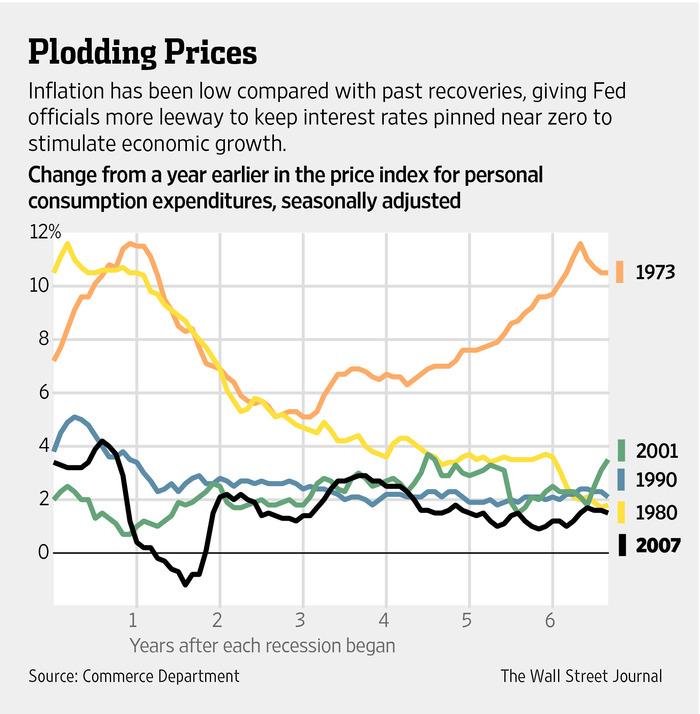
In recent months, U.S. consumers have demonstrated a more restrained approach to spending as inflationary pressures begin to ease. Despite the slowdown in price increases, many households remain wary, reflecting ongoing concerns about economic stability and personal finances. This cautious consumer behavior underscores a complex interplay between diminishing inflation and subdued demand, raising important questions about the durability of the economic rebound.
- Focus on necessities: Expenditures are increasingly concentrated on basic needs such as groceries, housing, and utilities.
- Cutbacks in non-essential spending: Categories like entertainment, dining experiences, and travel have seen noticeable declines.
- Emphasis on savings: Shoppers are turning more frequently to discounts, couponing, and bulk purchases to stretch their budgets.
| Category | Year-over-Year Change | Consumer Behavior Insight |
|---|---|---|
| Groceries & Household Supplies | +2.3% | Increased home cooking and meal planning |
| Technology & Gadgets | -4.1% | Postponed upgrades and fewer spontaneous purchases |
| Travel & Recreation | -6.0% | Preference for local trips over long-distance vacations |
Consumer confidence remains fragile as wage growth struggles to keep pace with rising costs, particularly in transportation and energy sectors. Financial experts warn that unless income levels improve or inflationary pressures subside further, this conservative spending pattern may persist. Businesses across industries are responding by tailoring their offerings to meet the demands of a more price-sensitive market, focusing on affordability and value.
Inflation Easing, Yet Economic Risks Linger
Recent economic indicators reveal a gradual deceleration in inflation rates, providing some relief to consumers and policymakers. This easing is reflected in slower price increases for key sectors such as energy and food, which have historically driven inflation spikes. However, the cautious pullback in consumer spending suggests that uncertainty remains prevalent.
Experts highlight ongoing risks that could disrupt this positive trend:
- Geopolitical tensions potentially causing supply chain interruptions
- Wage increases surpassing productivity, risking renewed inflationary pressures
- Volatility in global energy markets affecting domestic fuel prices
| Inflation Metric | Current Movement | Implications |
|---|---|---|
| Consumer Price Index (CPI) | Gradual deceleration | Short-term budget relief for households |
| Energy Prices | Variable but trending downward | Lower transportation and heating costs |
| Food Costs | Stabilizing | Improved predictability for consumer budgets |
Consequences of Reduced Consumer Demand on Retail and Service Industries
Across the U.S., retailers and service providers are experiencing a slowdown as consumers tighten their spending.This trend is particularly pronounced in discretionary sectors such as clothing, electronics, and hospitality. Businesses are adapting by managing inventory more conservatively and revising promotional tactics to sustain revenue. Service industries, including travel and personal care, report fewer bookings and appointments, reflecting a broader hesitancy to spend on non-essential services amid economic uncertainty.
Challenges faced by these sectors include:
- Declining foot traffic in physical stores
- Heightened price sensitivity among consumers
- Growing preference for budget-friendly brands and discount outlets
- Delays in purchasing luxury or non-urgent services
| Industry | Monthly Revenue Variation | Demand Trend |
|---|---|---|
| Apparel Retail | -5.0% | Decreasing |
| Travel Services | -3.5% | Softening |
| Food & Beverage | -3.1% | Lower visit frequency |
| Personal Care | -2.0% | More cautious spending |
Business Approaches to Adapting Amid Shifting Consumer Patterns and Inflation
In the face of fluctuating consumer confidence and easing inflation, companies must adopt flexible strategies to remain competitive. Prioritizing value-centric offerings can attract budget-conscious shoppers by balancing quality with meaningful savings, rather than relying solely on deep discounts that may harm brand perception. Expanding product and service options through flexible pricing models—such as subscription plans or tiered packages—can appeal to a wider audience and stabilize income streams. Enhancing digital platforms to provide seamless omnichannel experiences is also essential,as consumers increasingly value convenience alongside cost-effectiveness.
Leveraging data analytics to monitor purchasing trends enables businesses to adjust inventory and marketing efforts swiftly. Investing in supply chain diversification and local sourcing can reduce exposure to cost fluctuations, helping maintain stable pricing despite inflationary pressures. The table below outlines key focus areas and actionable steps for businesses navigating this evolving landscape:
| Focus Area | Recommended Actions | Expected Benefits |
|---|---|---|
| Pricing Models | Introduce tiered and subscription pricing options | Expand customer base and revenue stability |
| Customer Engagement | Optimize e-commerce and mobile user experiences | Boost convenience and customer loyalty |
| Inventory Management | Use real-time data to align stock with demand | Minimize excess inventory and improve cash flow |
| Supply Chain Resilience | Diversify suppliers and increase local sourcing | Reduce risk of cost spikes and supply disruptions |
Conclusion: Economic Outlook Amid Consumer Caution and Inflation Moderation
As American consumers adopt a more conservative spending stance in response to ongoing economic uncertainties, the recent easing of inflation offers a cautious glimmer of hope. While lower inflation rates may temporarily ease household financial pressures, the restrained consumer demand signals a tentative economic environment that could slow growth prospects. Policymakers and market analysts will continue to scrutinize these developments closely to gauge the trajectory of the U.S. economy in the coming months.