Trump’s Executive Order to Overhaul Federal Education Sparks Nationwide Discussion
Transforming Federal Education Governance: A New Direction
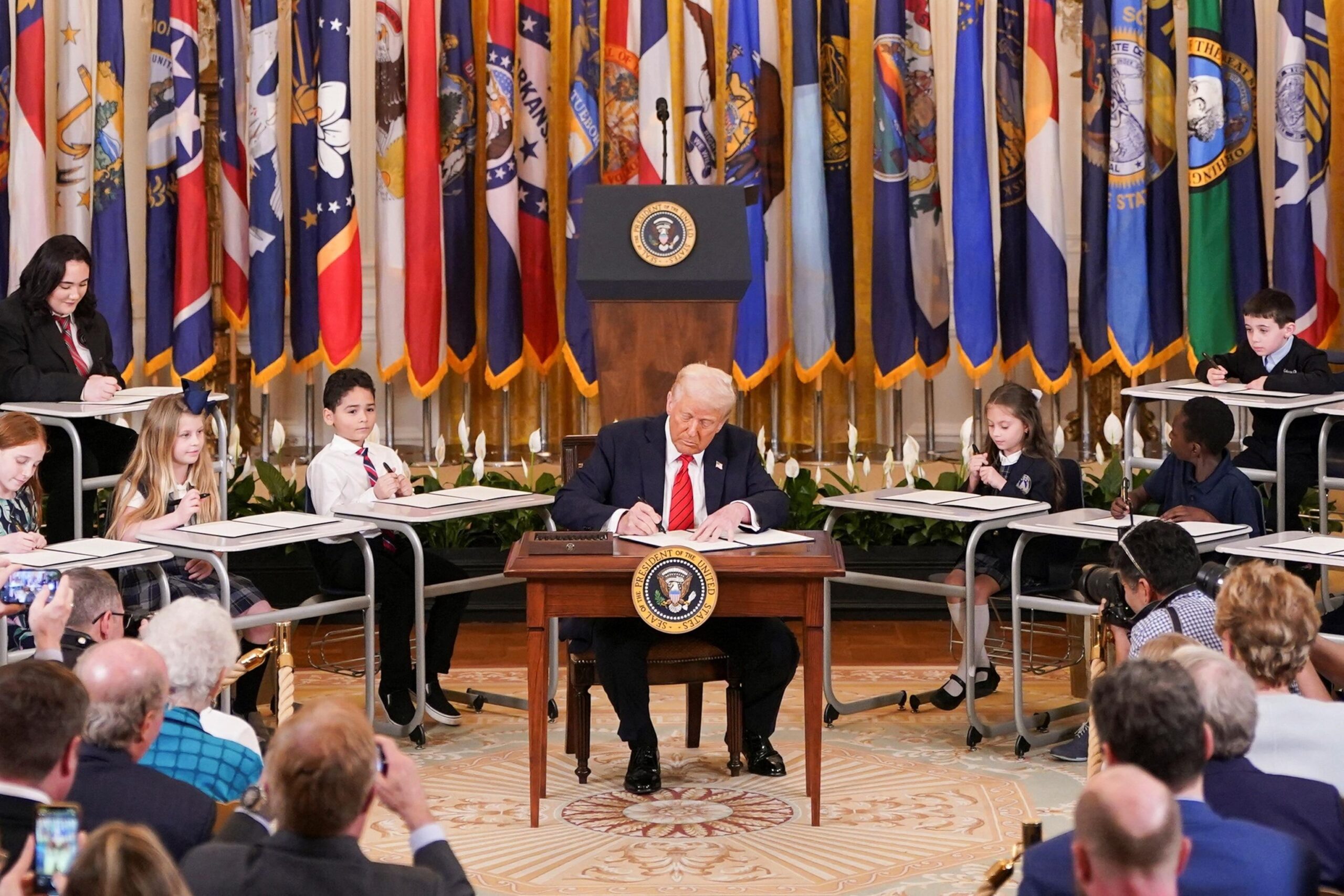
In a groundbreaking policy shift, former President Donald Trump is poised to sign an executive order aimed at dissolving the U.S. Department of Education, as reported by The New York Times. This unprecedented move challenges the agency’s longstanding role in shaping national education policy, signaling a pivot toward minimizing federal involvement and amplifying state and local authority. The proposal has ignited intense debate among educators, lawmakers, and policy experts about its implications for public education, funding equity, and the future of American schooling.
The core of this initiative involves redistributing the Department of Education’s responsibilities to state governments and newly established entities. Proponents argue this decentralization will foster greater flexibility, allowing states to tailor educational programs to their unique demographics and needs. Conversely, opponents warn that dismantling federal oversight risks undermining consistent standards and protections, especially for marginalized student groups.
Comparing Current and Proposed Education Frameworks
| Component | Existing Structure | Proposed Changes |
|---|---|---|
| Federal Supervision | Centralized under Department of Education | Delegated to States and New Agencies |
| Funding Allocation | Distributed through Federal Programs | Primarily Managed by State Authorities |
| Policy Development | National Standards Established Federally | State-Driven Policy Variations Allowed |
| Accountability Measures | Federal Compliance and Reporting | State-Specific Oversight Systems |
Potential Consequences for Public Schools and Funding Stability
Experts in education finance caution that this executive order could disrupt critical funding channels that support millions of public schools across the country. Programs such as Title I grants, which allocate approximately $16 billion annually to assist low-income students, and IDEA funding, providing around $14 billion for special education services, are at risk of fragmentation. These funds are essential lifelines for vulnerable populations, including economically disadvantaged children and students with disabilities.
Key concerns raised by analysts include:
- Reduced federal oversight may lead to inconsistent fund distribution and program implementation.
- Greater dependence on state and local budgets, which often vary significantly and may perpetuate educational inequities.
- Potential delays in delivering vital support services due to administrative restructuring.
| Funding Program | Annual Budget | Primary Recipients |
|---|---|---|
| Title I Grants | $16B | Students from Low-Income Families |
| IDEA Funding | $14B | Students with Disabilities |
| After-School Initiatives | $1.5B | At-Risk Youth |
Without a carefully crafted transition plan, experts warn that dismantling centralized federal control could exacerbate disparities in educational access and quality.Stakeholders continue to call for inclusive dialog and thorough impact assessments to protect the integrity of public education.
Educators and Legislators Respond: A Divided Landscape
The announcement has provoked a spectrum of reactions that highlight the deep political and ideological divides surrounding education policy in the United States. Many educators voice apprehension about losing a federal safeguard that ensures equitable funding and enforces civil rights protections in schools.Concerns focus on the potential for increased inequality and resource shortages, especially in underserved areas.
- Teachers’ unions: Decry the order as a threat to the foundation of public education and educator job security.
- School leaders: Worry about regulatory ambiguity and the uncertainty of future funding streams.
- Policy analysts: Debate the long-term effects on accountability and educational outcomes.
Political leaders remain sharply split. Republican advocates praise the move as a necessary reduction of federal intrusion, promoting innovation and state sovereignty in education. In contrast, Democratic lawmakers argue it endangers critical protections for students and represents a politicization of education policy.
| Group | Main Concern | Representative Statement |
|---|---|---|
| Republican Lawmakers | Excessive Federal Control | “This is a decisive step toward restoring local governance.” |
| Democratic Lawmakers | Equity and Access | “This threatens decades of civil rights progress.” |
| Teachers’ Unions | Resources and Job Security | “Our educators and students stand to lose vital support.” |
Strategies for Schools to Adapt Amid Policy Changes
As the education sector braces for potential upheaval, institutions are advised to cultivate flexibility and proactive planning. Maintaining open interaction channels with both state and federal education bodies will be crucial for navigating regulatory shifts. Continuous professional development can equip educators and administrators with the knowledge to comply with evolving standards and implement best practices.
Additionally, schools should explore diversifying their revenue sources by partnering with private entities and nonprofit organizations, thereby reducing dependence on federal funding and enhancing program stability. The following table outlines recommended approaches for educational leaders preparing for this transition:
| Approach | Objective | Implementation Steps |
|---|---|---|
| Engage Stakeholders | Strengthen advocacy and collaboration | Organize community forums, join education coalitions, liaise with policymakers |
| Monitor Policy Developments | Stay informed on legislative changes | Subscribe to policy updates, appoint compliance officers |
| Diversify Funding | Enhance financial resilience | Seek grants, sponsorships, and partnerships with nonprofits |
| Invest in Professional Growth | Ensure staff readiness and adaptability | Provide training sessions, attend webinars, update instructional materials |
Conclusion: Navigating a Pivotal Moment in U.S. Education
As President Trump prepares to enact an executive order dismantling the Department of Education, the nation faces a critical juncture in federal education policy.Advocates highlight the potential for increased local control and reduced bureaucracy, while detractors warn of risks to funding stability and student protections. The coming months will be decisive in determining how these changes reshape the educational landscape for students, teachers, and communities across America. Ongoing coverage and analysis will be essential to understanding the full ramifications of this historic policy shift.