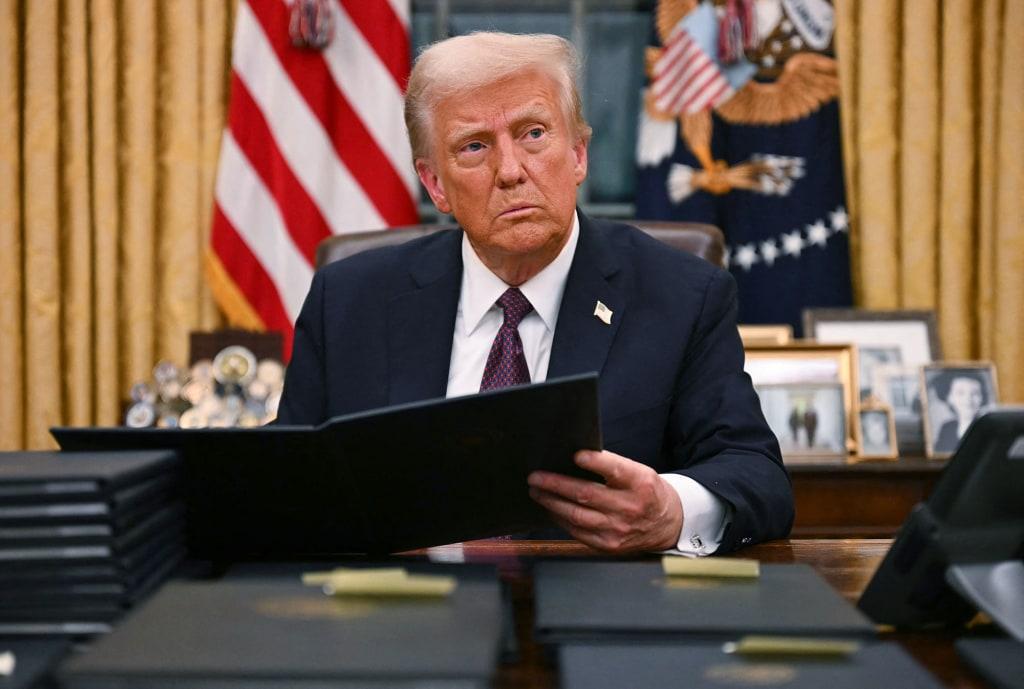
House GOP Proposes Major Investment to Expand School Voucher Program
House Republicans have introduced a bold plan to dedicate $5 billion in federal funds toward broadening the reach of school voucher programs, a key element of former President Donald Trump’s education agenda. This initiative seeks to increase parental choice by enabling families to select private or charter schools as alternatives to traditional public education.Proponents believe this approach will stimulate innovation and competition within the education sector, while opponents caution it may weaken public school systems and exacerbate educational disparities.
The proposal emphasizes several strategic priorities to enhance the program’s effectiveness and inclusivity:
- Broadened eligibility criteria to include more low- and middle-income households.
- Enhanced transparency and accountability for schools participating in the voucher system.
- Targeted support for underserved populations to help close achievement gaps nationwide.
| Funding Breakdown | Beneficiary Group | Anticipated Outcome |
|---|---|---|
| $2.5 billion | Low-income families | Expanded access to private education options |
| $1.5 billion | Charter schools | Increased capacity and resources |
| $1 billion | Program oversight | Strengthened monitoring and accountability |
Potential Effects on Public Schools and Budget Allocations
The proposed $5 billion investment in school vouchers signals a notable shift in education funding priorities, with possible repercussions for public school budgets across the country. Public schools, which serve the majority of students and often depend heavily on government funding, may face financial strain as resources are redirected toward voucher programs. Critics argue this could widen existing inequities, as public institutions grapple with reduced funding while private and charter schools benefit from increased subsidies without uniform accountability standards.
Key implications include:
- Decreased funding for essential public school services, such as special education and extracurricular programs.
- Heightened competition for limited public education dollars, pressuring districts to justify their budgets.
- Growth of privatized education options that may not consistently adhere to state curriculum or standardized testing requirements.
| Category | Projected Impact |
|---|---|
| Public School Budgets | Estimated 12% reduction |
| Voucher Program Funding | Increase by $5 billion |
| Accountability Enforcement | Varied effectiveness |
Responses from Education Experts and Political Leaders
The $5 billion voucher funding proposal has sparked a spectrum of reactions among education professionals and political figures. Supporters contend that expanding school choice empowers parents, especially those in struggling districts, by offering alternatives that could elevate educational outcomes through competition. Conversely, detractors warn that diverting funds from public schools risks deepening inequities, particularly in economically disadvantaged areas.
Primary concerns raised include:
- Potential weakening of public school financial stability.
- Insufficient oversight of private and charter schools receiving public funds.
- Disproportionate effects on marginalized and low-income students.
Political opinions remain sharply divided. Most House Republicans endorse the plan as a fulfillment of promises to enhance parental choice, while many Democrats and education policy analysts criticize it as fiscally imprudent and ideologically motivated. Below is a summary of notable viewpoints:
| Group | Stance | Representative Statement |
|---|---|---|
| House Republicans | Supportive | “This initiative empowers families and broadens educational opportunities.” |
| Democrats | Opposed | “It threatens the sustainability and fairness of public education.” |
| Education Advocates | Mixed | “Expansion must be paired with rigorous oversight to protect students.” |
Strategies for Ensuring Accountability and Fair Access in Voucher Programs
To ensure that school voucher initiatives benefit all communities equitably, it is essential to implement complete accountability frameworks. This includes transparent financial reporting, regular assessment of student outcomes, and stringent performance evaluations of participating schools. Independent oversight bodies should be established to monitor compliance and prevent misuse of funds.Additionally, data should be analyzed by demographics such as income, race, and location to identify and address disparities.
Equitable access requires removing obstacles that disproportionately affect disadvantaged students. Policymakers should prioritize outreach efforts to inform underserved families, simplify application procedures, and provide transportation assistance where needed. Clear policies must prohibit discrimination based on disability, language barriers, or socioeconomic status. The table below summarizes critical components for a fair and effective voucher rollout:
| Component | Objective | Success Metric |
|---|---|---|
| Transparent Reporting | Track fund allocation and educational outcomes | Annual independent audits |
| Independent Oversight | Ensure unbiased program evaluation | Third-party compliance reviews |
| Community Outreach | Increase awareness among low-income families | Higher voucher program enrollment |
| Barrier Reduction | Guarantee equitable eligibility and access | Decline in application rejections |
Conclusion: Navigating the Future of Education Funding
The ongoing debate over education funding continues to shape the national discourse on how best to serve America’s students. The House Republicans’ proposal to invest $5 billion in school vouchers represents a pivotal moment in this conversation, highlighting the tension between expanding parental choice and preserving robust public education systems.As Congress deliberates, the outcomes will have lasting effects on educational equity, quality, and access across the country.