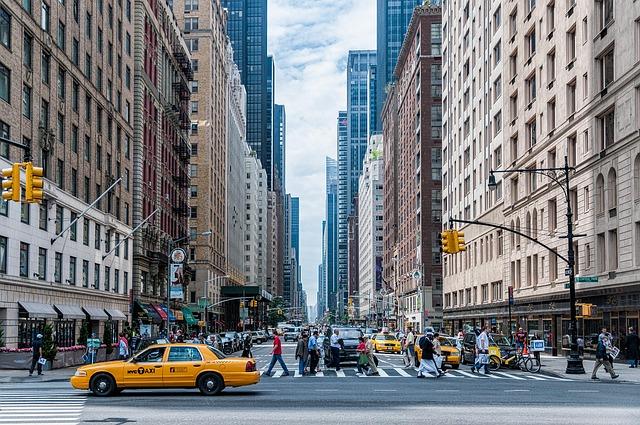
In less than a month, New York City could face its biggest single day of sports ever, as a rare convergence of marquee fixtures and international competitions threatens to overwhelm transit, public safety and venue capacity. City officials, event organizers and law enforcement are racing to coordinate logistics for a surge of out‑of‑town fans and media, while hotels, restaurants and retailers prepare for an unprecedented economic windfall. As reported by Diario AS, the coming clash of schedules will test the city’s ability to move, house and secure thousands of visitors within a compressed timeframe – and could redefine how metropolitan centers manage major sporting festivals.
City Mobilizes for Record Sports Day with Expanded Transit Service and Dedicated Crowd Management
The city unveiled a concentrated operational plan to handle what officials described as an unprecedented single-day influx of spectators, athletes and support staff scheduled in under a month. Key components include expanded transit capacity, phased crowd control and coordinated agency command centers. Highlights announced by the transit authority and emergency services:
- Extended subway hours with increased frequency on core lines
- Temporary shuttle lanes linking major event hubs and parking sites
- Dedicated crowd corridors and fenced entry points at high-density stations
- Joint incident command staffed by NYPD, FDNY and transit operators
City spokespeople said the measures aim to minimize delays while maintaining public safety, with real-time updates pushed through official apps and station public address systems.
Planners estimate attendance will set new records and have released a brief timetable of service adjustments and practical advice for attendees. Officials urged commuters to plan ahead, use contactless fares and heed on-site marshals to avoid bottlenecks. Summary schedule:
| Service | Change | Notes |
|---|---|---|
| Subway | +20% trains | Peak windows extended to 02:00 |
| Shuttles | Express loops | Connects remote lots to venues |
| Bus | Temporary lanes | Priority for event traffic |
Practical reminders included:
- Arrive early – expect screening and lane queuing
- Follow station signage and staff directions
- Use official transit apps for live updates
Officials stressed that coordination between agencies will remain active through the event day to adapt to crowd flows and service impacts in real time.
Emergency Medical and Hospital Networks Must Scale Up with EMS Staging, Mobile Treatment Units and Surge Staffing
City emergency planners are accelerating a contingency build-out as one of the largest single-day sports crowds in New York City history approaches. Coordination between FDNY-EMS, NYC Health + Hospitals and private ambulance services has shifted from planning to operational posture: pre-designated EMS staging areas will be placed at major ingress points, mobile treatment units (MTUs) will be deployed along primary spectator corridors, and a tiered surge staffing roster of paramedics, emergency nurses and transport teams is being readied to relieve emergency departments. Officials told Diario AS that the emphasis is on rapid on-site stabilization and prioritized transport to prevent a cascade of ED overcrowding across borough hospitals.
Operational directives now include immediate activation of spare ambulance pools, cross-agency dispatch integration and pre-authorized surge credentialing to reduce shift fill times. Key operational measures being finalized include:
- Staging zones adjacent to major venues with rapid-changeover capacity
- MTUs positioned to handle low-to-moderate acuity and reduce ED transfers
- Surge staffing pools (paramedics, ED nurses, transport aides) on call within 90 minutes
- Dedicated transport corridors and traffic exemptions to speed ambulance transit
- Real-time data sharing between 911 dispatch, hospitals and event operations
| Resource | Current | Surge Target |
|---|---|---|
| Ambulances | ~300 | ~360 |
| Mobile Treatment Units | 8 | 20 |
| Surge clinical staff | ≈650 | ≈1,000 |
Law Enforcement and Private Security Should Coordinate Perimeter Control, Ticketing Enforcement and Rapid Response Protocols
City officials are urging a synchronized approach where municipal forces and contracted teams operate from a shared command center, with clearly defined sectors for perimeter control and ticketing enforcement. Observers note that success will depend on interoperable communications, pre-deployed physical barriers and CCTV coverage tied to a single situational picture so that gate queues, credentialed lanes and emergency access routes are monitored in real time. Recommended measures include:
- Credentialed zones and pre-clear checkpoints
- Fixed and mobile camera overlays
- Temporary barriers with rapid-deploy teams
- Designated fan-flow corridors and signage
These steps, officials say, must be backed by real-time intelligence sharing and strict chain-of-custody protocols for seized items to prevent bottlenecks and ensure lawful ticketing enforcement.
Rapid response protocols are being finalized to ensure immediate mutual aid and one-point decision-making for incidents inside or outside fenced perimeters; the plan emphasizes joint drills and mutual aid agreements that spell out who acts first and how evidence and arrests are handled. A simplified roles table being circulated among partners shows the core division of responsibilities:
| Entity | Primary responsibility | Key action |
|---|---|---|
| NYPD Strategic Units | Incident command & public safety | Control & coordinate |
| Private Venue Security | Perimeter control & ticket checks | Screen & report |
| Transit & MTA Teams | Crowd dispersal & transport flow | Open emergency routes |
Field protocols to be emphasized in final briefings include:
- Immediate medical triage and secure containment
- Evacuation lane management and transport coordination
- Evidence preservation and single-channel media liaison
Authorities stress that shared radio channels, joint training and standardized ticketing enforcement procedures are essential to keep the day safe and moving.
City Hall Advised to Roll Out Clear Public Messaging, Temporary Traffic Restrictions and Business Continuity Measures
City officials were urged to launch an immediate, centralized communications campaign that prioritizes clarity and frequency: deploy multilingual alerts, real‑time transit updates, and dedicated web pages and hotlines so residents and visitors know where to go and when. Reporters noted that a successful campaign must include collaboration with MTA and major event promoters, targeted outreach to affected neighborhoods and small businesses, and visible signage at key transit hubs; clear public messaging should emphasize travel alternatives, safety protocols and expected peak hours. Immediate priorities recommended by advisors include:
- Daily push notifications and station announcements during peak windows
- Multilingual printed maps and digital wayfinding for major intersections
- Coordinated media briefings and a single official incident dashboard
To limit congestion and preserve commerce, the brief called for short‑term traffic controls paired with business continuity measures: time‑limited curb restrictions for deliveries, temporary pedestrian plazas near stadiums and a phased road closure plan with clear exceptions for emergency vehicles and essential services. City Hall was advised to publish a concise restriction schedule so businesses can plan staffing and deliveries; a sample of recommended restrictions follows.
| Area | Restriction | Time Window |
|---|---|---|
| Downtown Corridor | Vehicle access limited; loading by permit | 06:00-18:00 |
| Stadium Approaches | Pedestrian-only zones before/after events | 3 hours pre/post |
| Transit Hubs | Temporary drop-off lanes; no idling | All day |
Officials stressed that business continuity plans-including adjusted delivery schedules, staffing flexibility, and emergency contact lists-must be distributed alongside maps and transit advisories to reduce economic disruption while managing the anticipated surge.
The Way Forward
With fewer than 30 days to go, New York City faces a logistical test that will touch every borough – from transit and street closures to policing and crowd management. City officials, event organizers and private partners say preparations are underway, but the coming weeks will be critical as plans are finalized and contingency measures are put in place.
Residents, commuters and visitors should expect disruptions and watch for official updates from the MTA, NYPD and the Mayor’s Office. Diario AS will continue to monitor developments and provide updates as the city ramps up for what could be its largest single day of sports-related activity to date.