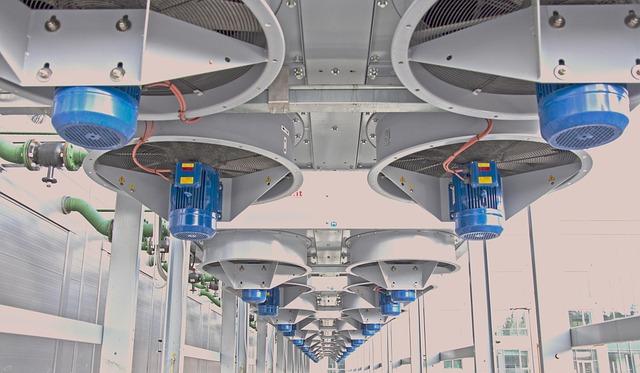
New York Governor Kathy Hochul announced a statewide moratorium on new hyperscale data centers, marking what the administration describes as the first pause of its kind. The temporary halt will suspend approvals for large-scale data center projects while state regulators conduct a comprehensive review of their energy, water and community impacts. The move signals a shift in policy as local leaders, utilities and tech companies grapple with rapid data center expansion across the state.
Statewide Moratorium on New Hyperscale Data Centers Takes Effect as Governor Announces Comprehensive Review
Governor Kathy Hochul announced a statewide pause on approvals for proposed hyperscale facilities, saying the move is intended to allow a coordinated, data-driven evaluation of claims about job creation, energy demand, water use and local impacts. The executive action, which took effect immediately, directs multiple state agencies to assemble technical assessments and hold expedited public hearings; developers with projects already permitted under existing local approvals are to be reviewed on a case-by-case basis. Officials framed the measure as a temporary, targeted intervention to ensure future projects align with the state’s climate, infrastructure and community resiliency goals while keeping essential services and critical investments under scrutiny.
The review will focus on a concise set of criteria and will include stakeholder input from municipalities, utilities and environmental groups:
- Grid and energy reliability: assessment of peak demand and transmission constraints
- Water and environmental impact: cumulative withdrawals, wastewater and land-use change
- Community and economic effects: local jobs, property impacts and fiscal incentives
- Regulatory alignment: permitting timelines, state-local coordination and mitigation measures
| Phase | Timeline | Lead |
|---|---|---|
| Immediate pause & intake | 0-30 days | Governor’s Office |
| Technical assessment | 30-120 days | NYSERDA / PSC |
| Public engagement & final report | Up to 9 months | DEC / Local Governments |
Environmental and Grid Impacts Under Scrutiny as Regulators Probe Water Usage Emissions and Transmission Strain
State regulators have opened a sweeping review of the environmental footprint of hyperscale data center growth, probing everything from industrial water withdrawals to lifecycle greenhouse gas emissions. Investigations will examine how large-scale cooling systems affect aquifers and surface waters, whether plant operations contribute to thermal or chemical stress on rivers and wetlands, and the public-health implications of increased backup generator use. Environmental advocates and municipal water managers told officials this week that permit reviews must account for cumulative impacts across regions, not just individual projects, as planners weigh short-term economic benefits against long-term resource risks.
At the same time, grid operators warn that concentrated data-center demand could strain transmission corridors and raise reliability concerns, prompting calls for mandatory interconnection studies and enforceable mitigation plans. Regulators are considering a suite of measures to reduce pressure on utilities and communities, including stricter efficiency benchmarks and local reinforcements. Potential policy tools under consideration include:
- Mandatory closed-loop cooling to limit freshwater consumption
- On-site renewable generation and battery storage to shave peak loads
- Stronger interconnection studies tied to conditional approvals
- Community benefits agreements to address local infrastructure impacts
Economic and Community Concerns Drive Calls for Clear Permitting Standards Local Impact Assessments and Binding Community Benefit Agreements
Local leaders and residents across affected counties said the moratorium exposed long-simmering tensions between economic development promises and community realities, prompting urgent calls for transparent permitting standards. Town boards, environmental advocates and labor groups told reporters they have seen inconsistent approvals, unequal fiscal benefits, and unanticipated burdens on water, roads and electricity-issues that have fostered distrust. Among the most frequent complaints were demands for clear, enforceable timelines and publicly accessible decision records, and a call that any future approvals be tied to measurable local outcomes:
- Guaranteed local hiring quotas and apprenticeship programs
- Binding commitments on tax revenue distribution and infrastructure upgrades
- Independent environmental and traffic impact reviews before site approval
State legislators and municipal officials are increasingly framing solutions around mandatory local impact assessments and legally binding community benefit agreements (CBAs) that would accompany any permit. Drafting sessions now under way would require developers to present quantifiable mitigation plans and secure community ratification before construction; enforcement mechanisms such as staged permitting, escrowed mitigation funds and penalty clauses are being discussed. The following table summarizes core community concerns and the corresponding regulatory fixes being proposed by stakeholders and policy advisers:
| Community Concern | Proposed Standard |
|---|---|
| Strain on utilities | Pre-build capacity certification |
| Limited local jobs | Binding local hire percentages |
| Unfunded infrastructure impacts | Escrowed mitigation for roads and schools |
Policy Roadmap Urged for Conditional Approvals Stronger Oversight and Targeted Investments in Renewable Energy and Efficiency Upgrades
Policy makers and community leaders are urging that any interim approvals tied to the newly announced moratorium be accompanied by a clear, enforceable roadmap that links development permits to measurable clean‑energy outcomes. Proposals emphasize that conditional approvals should require binding commitments on procurement of renewables, mandatory on‑site efficiency upgrades, and contractual obligations for grid reinforcements – all subject to independent monitoring and public reporting. Stakeholders say such measures would create transparent triggers for escalation, including fines or permit revocation, if builders fail to meet emissions or reliability benchmarks.
- Require phased clean‑energy milestones tied to each construction permit
- Mandate independent third‑party monitoring and annual public disclosures
- Prioritize utility upgrades and interconnection funding before approvals
- Fund targeted efficiency retrofits in nearby communities
- Include labor and equity provisions in conditional agreements
| Action | Near‑term Effect | Oversight |
|---|---|---|
| On‑site renewables requirement | Reduces grid draw | Independent auditor |
| Efficiency upgrade fund | Community savings | State energy office |
| Transparency & reporting | Public accountability | Legislative oversight |
Advocates and municipal officials stress that these steps must be paired with targeted investments to ensure communities near proposed sites receive direct benefits – from energy‑efficiency retrofits to workforce training tied to green jobs. They argue the moratorium presents an opportunity to redesign approval processes so that development is conditional not only on technical compliance but on demonstrable climate and community outcomes, creating a model for stronger oversight and long‑term resilience.
Final Thoughts
As New York implements the first statewide pause on approvals for new hyperscale data centers, officials say the move will give regulators time to assess the projects’ environmental, economic and infrastructure impacts while policymakers consider potential rule changes. Supporters framed the moratorium as a needed check to ensure long-term planning, while industry representatives and some local leaders warned of possible delays to investment and job creation.
The coming weeks are likely to see testimony from industry experts, environmental advocates and municipal officials as state agencies undertake reviews and outline next steps. Lawmakers and stakeholders could propose legislative or regulatory responses driven by those findings.
For now, the moratorium marks a significant shift in how the state balances data center growth with energy, land-use and community concerns. This office will continue to monitor developments and will report further as agencies release details and any proposed policy changes.