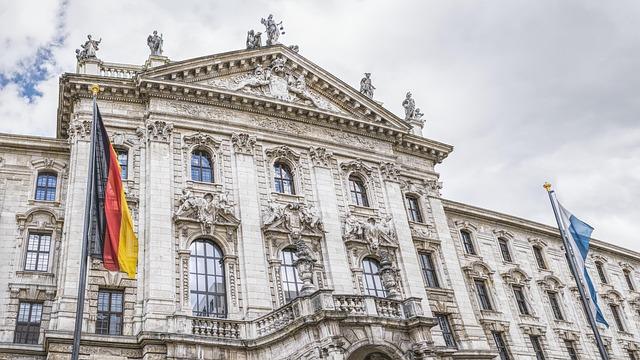
Karim Khan, the chief prosecutor of the International Criminal Court, has been dismissed from his post, UN News reported. Khan, a British barrister who took office in 2021, led the Hague-based court’s prosecutions of alleged war crimes, crimes against humanity and other core international crimes. UN News said the announcement offered no immediate detail on the grounds for his removal, and court officials had not yet responded to requests for comment. The unexpected move is likely to reverberate across international justice circles and could complicate ongoing high-profile investigations.
ICC Prosecutor Karim Khan Dismissed amid Internal Review and Controversy over Investigative Priorities
In a move that has sent ripples through international legal and diplomatic circles, the court announced the immediate dismissal of Karim Khan following an internal review that questioned the office’s investigative priorities and managerial decisions. Sources say the probe focused on alleged delays in opening inquiries, the handling of high-profile referrals, and tensions between the prosecutor’s team and member-state delegations. Observers point to a mix of political pressure and procedural concerns, with critics accusing the office of uneven attention to alleged crimes across regions while defenders argue that resource constraints and complex mandates shaped prosecutorial choices. Key issues raised included:
- Timing and selection of investigations
- Transparency in case prioritization
- Internal case-management and staff oversight
Reactions were swift: governments, victims’ groups and legal experts issued statements calling for a transparent handover and continuity of ongoing probes, while some delegations urged a broader review of institutional safeguards to prevent politicization. The court has appointed an interim leader and pledged to publish a summary of the review’s findings; analysts warn that the episode may prompt urgent reforms to restore trust and ensure that the institution can pursue alleged crimes without perception of bias. In the short term, stakeholders will be watching for clear timelines, commitments to protect victim participation, and safeguards to maintain the independence of ongoing investigations.
Disruption to Ongoing Probes and Victim Trust as Experts Warn of Evidence Loss and Case Delays
The abrupt removal of the court’s top prosecutor has sparked concerns among legal observers about immediate operational disruption to ongoing prosecutions, with several teams warning that momentum built over years could be lost within weeks. Field investigators and local partners report confusion over chains of command and the handling of sensitive materials, increasing the risk that time‑critical evidence will degrade or disappear.
- Delayed warrant applications and stalled cross‑border cooperation
- Forensic samples left in transit or without clear custody
- Witnesses reluctant to testify amid uncertainty
Prosecutors and advocacy groups say that without swift interim arrangements, the practical ability to preserve crime scenes, secure testimony and sustain witness protection programs is already being undermined.
Experts caution that the fallout extends beyond technical setbacks to a broader trust deficit among victims and cooperating states, potentially eroding cooperation essential for successful prosecutions. International legal analysts warn that, unless transparent contingency measures are enacted, cases may face prolonged suspensions and increasing legal challenges that could lead to dismissals.
- Urgent appointment of interim leadership
- Independent oversight of evidence custody
- Targeted outreach to affected victims and partners
Observers say these steps are critical to prevent justice delayed from becoming justice denied and to reassure communities that accountability mechanisms remain functional despite the institutional upheaval.
Geopolitical Ramifications for International Justice as Member States Face Pressure to Uphold Court Independence
The abrupt removal of a sitting chief prosecutor has already set off a cascade of diplomatic reactions that risks reshaping cooperation with the court. Capitals from across regions are being urged by domestic constituencies and allied partners to take a stance, while powerful states weigh the optics of protecting judicial autonomy against their strategic interests. Embassy cables and foreign ministries are reporting a surge in private lobbying, with several delegations calling publicly for a transparent, rules-based review to avoid the perception of political interference. Civil society groups and victim representatives have intensified pressure on governments to defend the prosecutorial office, creating a volatile mix of public accountability demands and closed-door realpolitik.
- Suspend or condition funding to signal displeasure without breaking formal ties.
- Limit cooperation on evidence-sharing and arrest warrants as leverage.
- Push for institutional reforms within the court to increase perceived legitimacy.
- Use multilateral forums to rally regional blocs for or against the decision.
Beyond the immediate fallout, the incident threatens to recalibrate how states engage with international criminal justice over the medium term. If member states respond unevenly, the court could face a patchwork of cooperation that undermines enforcement and encourages safe havens for alleged perpetrators-a direct blow to the deterrent effect of international law. Equally consequential is the precedent set for using political pressure to influence prosecutorial independence; sustained erosion here would not only complicate future referrals and investigations but also strain relations between the court and the UN Security Council. The coming weeks will test whether states prioritize the integrity of judicial processes or allow short-term geopolitical calculations to reshape the architecture of international justice.
| Timeline | Probable Impact |
|---|---|
| Short-term (weeks) | Diplomatic protests, conditional aid, intensified media scrutiny |
| Long-term (months-years) | Fragmented cooperation, weakened enforcement, calls for systemic safeguards |
Urgent Recommendations for the Court and Member States: Appoint Transparent Interim Leadership, Secure Case Files and Fast Track Merit Based Successor Selection
Immediate, transparent action is essential to preserve the Court’s credibility and to protect ongoing prosecutions. Member States should urgently agree on an interim leadership arrangement that is publicly documented, time-limited and subject to clear oversight; they must also institute emergency protocols to secure physical and digital case files, preserve witness protections and maintain uninterrupted prosecutorial functions. Suggested measures include:
- Appoint a designated interim prosecutor with disclosed credentials and a published mandate.
- Implement emergency chain-of-custody controls for evidence and secure remote access for defence and prosecution teams.
- Deploy an independent audit of sensitive case records within 72 hours.
Transparency, continuity and security are non-negotiable to prevent reputational damage and to safeguard victims’ rights.
To restore confidence, States and the Court must fast-track a merit-based selection process for a permanent successor with binding timelines and clear eligibility criteria. An independent selection panel should be empowered immediately, and funding must be ring-fenced to avoid political interference. Proposed timeline and responsibilities:
| Action | Deadline | Responsible |
|---|---|---|
| Interim appointment | 7 days | Assembly of States Parties |
| Independent merit-based selection | 90 days | Independent Selection Panel |
The process must be public, with published shortlists, conflict-of-interest declarations and a final vote recorded in full to ensure legitimacy and reinforce the rule of law.
In Summary
The dismissal of Prosecutor Karim Khan marks a significant and unexpected moment for the International Criminal Court, raising immediate questions about leadership, the continuity of high‑stakes investigations and the court’s institutional independence. Legal experts, states, civil society and victims’ representatives are expected to press for a transparent process to appoint interim leadership and a permanent successor under the court’s statutes, while ensuring ongoing cases proceed without disruption. How the Assembly of States Parties and ICC officials respond in the coming days will shape both the court’s operational capacity and international perceptions of its legitimacy. UN News will continue to monitor reactions and developments and will report further as more information becomes available.