WASHINGTON – As tensions in the Persian Gulf have risen, the U.S. Navy has stepped up patrols and escort operations through the Strait of Hormuz, a narrow chokepoint that funnels a significant share of the world’s seaborne oil. Naval vessels, surveillance aircraft and multinational convoys have been deployed to protect tankers from attacks, interdictions and the threat of mines and drones, officials and shipping executives say.
The heightened naval presence seeks to deter state and proxy actors whose recent actions have imperiled commercial traffic and strained global energy markets. For Washington, the missions are both a security imperative and an economic one: maintaining unimpeded passage through the strait is critical to keeping oil flowing to markets that would otherwise face price spikes and disrupted supply chains.
U.S. Navy Escort Operations Keep Oil Tankers Moving Through the Strait of Hormuz
U.S. naval escorts now form a regular maritime lifeline for commercial tankers threading the narrow channels off Iran’s coast, conducting timed transits, electronic monitoring and visible deterrence to minimize disruption. Crews aboard guided‑missile destroyers and frigates maintain close communication with merchant masters, while maritime patrol aircraft and unmanned systems provide overwatch. Operational elements typically include:
- Surface combatants: immediate protection and rules‑of‑engagement enforcement
- Air surveillance: long‑range detection and rapid response coordination
- Escort coordination teams: liaisons embedded with convoy masters for route deconfliction
Commanders say the mix of assets shortens response times and reduces the likelihood of flare‑ups that could force rerouting or delay. A simplified snapshot of typical escort composition and functions:
| Escort Asset | Primary Role |
|---|---|
| Destroyer | Surface defense and escort |
| Maritime patrol aircraft | Wide‑area surveillance |
| UAV | Persistent ISR |
Commercial operators report fewer unscheduled diversions since escorts intensified, but officials caution the measures are not risk‑free: close passes and confrontation reports still occur and insurance premiums remain volatile. Naval planners emphasize multinational coordination and clear communications as the most effective tools to keep traffic flowing; sustaining that cadence requires continuous resource allocation and diplomatic engagement. Key ongoing challenges cited by analysts include:
- Maintaining asset availability across competing missions
- Balancing assertive deterrence with escalation control
- Ensuring merchant crews comply with convoy procedures
Tactics and Technology: Carrier Groups, Unmanned Systems and ISR Provide Early Warning and Deterrence
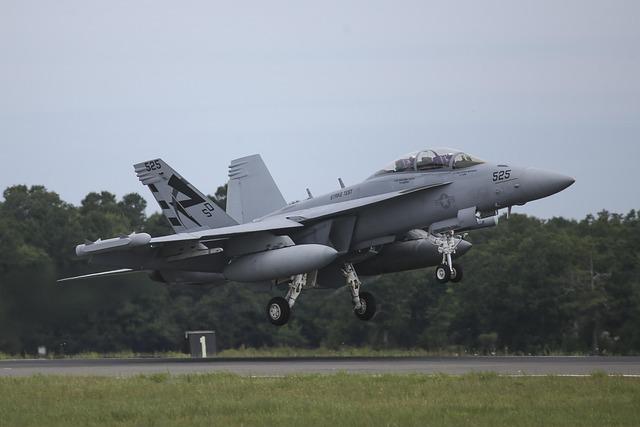
In recent weeks, the presence of carrier strike groups in the northern Arabian Sea has been framed less as theater spectacle and more as a practical layer of early warning and deterrence for shipping through the Strait of Hormuz. Fleet commanders emphasize that a carrier’s air wing, supported by destroyers and guided‑missile cruisers, provides rapid interception capability and maritime domain awareness; intelligence feeds from allied partners and tactical data links allow commanders to spot suspicious activity hours – sometimes days – before it reaches critical chokepoints. • Air superiority – manned fighters and airborne early-warning planes; • Surface and subsurface screening – ASW helicopters and escort ships; • Command-and-control – secure networks fusing coalition ISR.
Complementing manned assets, a surge of unmanned systems and expanded ISR collection has reshaped how risks are assessed and responded to around the strait. Persistent maritime drones, long‑endurance surveillance aircraft, and undersea gliders feed centralized analytic nodes that can cue kinetic or non‑kinetic responses while minimizing human exposure. Reporters were told that the mix of technologies creates a “detect-to-deter” loop: • UAS – persistent overhead tracking; • UUVs – subsea monitoring of choke points; • Data fusion – automated alerts for commanders and merchant captains. The result, officials say, is a layered posture intended to reduce surprise and raise the political and tactical cost of interference with commercial traffic.
Coalition Coordination with Allies and Commercial Shippers Reduces Delays and Legal Risk
The U.S. Navy’s recent coordination with allied maritime forces and major commercial shippers has emphasized predictability and legal clarity as tools to keep oil moving through one of the world’s most sensitive choke points. Through synchronized patrol schedules, common transit lanes and rapid information sharing, naval officers and civilian operators have reduced the scope for contested interceptions and the subsequent legal disputes that stall cargoes. Practical measures introduced across the corridor include:
- Shared voyage planning: joint route confirmation before departure to avoid surprise maneuvers.
- Pre-vetting of vessels: documentation and crew checks coordinated with flag states to speed clearance.
- Escorts and presence patrols: visible coalition assets deter unlawful boardings and reduce detention risk.
- Real-time legal liaison: on-call legal teams and flag-state contacts shorten dispute resolution timelines.
Officials and commercial dispatchers say the mix of naval presence and standardized procedures has produced measurable operational gains: reduced waiting times, fewer administrative holds and clearer insurance coverage for shippers. Market participants report quicker port clearances and more predictable voyage windows, allowing charterers and insurers to recalibrate exposure. The snapshot below shows indicative before-and-after metrics cited by industry sources.
| Metric | Before | After |
|---|---|---|
| Average transit delay (hours) | 48 | 12 |
| Detentions per month | 6 | 1 |
| Insurance surcharge (approx.) | 9% | 3% |
Policy Recommendations for Washington: Stricter Rules of Engagement, Expanded Patrols and Mandatory Reporting for Merchant Vessels
Senior Pentagon officials and maritime-security analysts say Washington needs clearer, legally defensible parameters for when U.S. forces may use force in the Strait of Hormuz to deter persistent harassment without provoking a wider clash. They argue for a narrow, publicly stated escalation ladder, rapid legal sign-off on rules of engagement and routine briefings to Congress and partner navies so tactical decisions are made under a consistent, interoperable framework. Officials emphasize that clarity – rather than looser or more permissive guidance – will reduce miscalculation at the point of contact and provide operational cover for commanders confronting aggressive state and non-state actors.
Planners and industry representatives also press for a package of operational measures to accompany any ROE changes: expanded aerial and surface patrols, improved maritime domain awareness and mandatory reporting requirements for commercial vessels transiting high-risk corridors. Recommended immediate steps include:
- Standardized ROE: a short, declassified directive with an escalation ladder and legal rationale.
- Expanded patrols: increased P‑8 and carrier strike group presence to raise surveillance density.
- Mandatory reporting: pre-transit notices and verified AIS reporting for tankers and bulk carriers.
| Action | Priority | Lead |
|---|---|---|
| Publish ROE framework | High | DoD / State |
| Increase patrol tempo | High | U.S. Navy / CENTCOM |
| Mandatory merchant reporting | Medium | Maritime Administration |
Insights and Conclusions
As U.S. naval patrols and escort operations have helped keep tankers moving through the Strait of Hormuz, they have provided a temporary bulwark against supply shocks and market panic. But military protection is a stopgap: the risk of miscalculation or wider confrontation with Iran, the diplomatic fallout with regional actors, and the long-term costs of relying on armed escorts leave the underlying vulnerabilities largely intact. Policymakers and energy markets will be watching whether Washington can translate deterrence into durable diplomatic solutions that reduce the need for a permanent naval presence. For now, the convoying of oil through one of the world’s most strategic chokepoints proceeds under close international scrutiny – and under the shadow of continuing uncertainty.