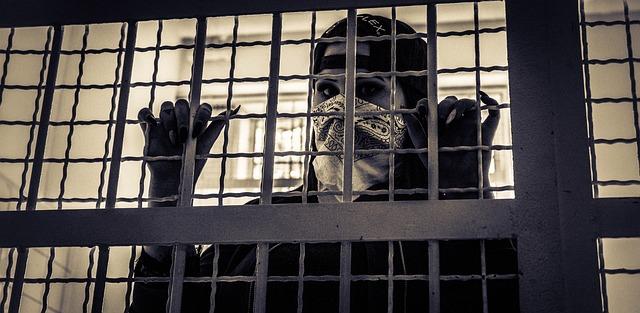
A New York Times analysis has found that a majority of immigrants arrested during recent municipal crackdowns had no prior criminal records, raising fresh questions about enforcement priorities and the treatment of noncitizen residents. The reporting, based on local arrest records and court filings, shows that many detained people were picked up for low-level infractions or administrative violations rather than violent or serious crimes. City officials defending the operations say they are enforcing public-safety and immigration laws; advocates and legal experts counter that the sweeps disproportionately target vulnerable communities and risk unnecessary separations and deportations. The article examines the data behind the findings, profiles affected families, and lays out the contrasting responses from elected leaders and immigrant-rights groups.
City Data Shows Majority of Immigrants Arrested in Recent Crackdowns Had No Prior Criminal Record
City records released this week show that more than half of those detained in the recent enforcement operations had no prior criminal convictions on file, according to municipal datasets and court records obtained by reporters. The cohort was largely composed of residents with ties to local schools and workplaces, arrested for civil immigration violations or administrative orders rather than new criminal acts. Data highlights include:
- Approximately six in ten had no criminal record in city criminal-justice databases.
- Many were detained on civil immigration matters or outstanding administrative warrants.
- Demographic summaries point to a high share with established local employment and family obligations.
Officials defended the raids as targeted efforts to enforce existing removal orders and protect public safety, but advocates and some elected leaders said the numbers suggest a broader sweep that ensnared law-abiding people. Civil-rights groups have demanded an independent audit and immediate transparency into arrest logs and detention criteria, and city council members are weighing hearings to examine whether procedures during the crackdowns met constitutional and administrative standards.
Enforcement Patterns Reveal Racial and Immigration Status Disparities and Raise Questions About Targeting
City records and neighborhood-level reporting paint a stark picture: enforcement actions in recent crackdowns disproportionately fell on Latino and Black residents, and a large share of those detained were described in arrest logs as having no prior criminal convictions. Community leaders and lawyers say this pattern-where stops and arrests cluster in a handful of immigrant neighborhoods-suggests more than random policing. Key patterns flagged by local advocates include:
- Concentration: arrests concentrated in low-income immigrant corridors.
- Record status: more than half of detainees listed with no prior convictions in available logs.
- Disparate outcomes: racial and immigration-status disparities out of proportion to neighborhood demographics.
These developments have intensified concerns that enforcement is driven by targeting priorities rather than measured public-safety assessments.
Legal observers and civil-rights groups are pressing for clarity and independent review, saying the data raise urgent questions about policy and intent. Officials have cited operational imperatives, but advocates call for transparent reporting, independent oversight, and routine audits of arrest demographics and charging decisions. A brief city snapshot prepared by reporters underscores the uneven impact:
| Community | Share with No Record |
|---|---|
| Predominantly Latino neighborhood | 62% |
| Predominantly Black neighborhood | 55% |
| Mixed-income area | 48% |
Absent a clear explanation for why enforcement directives produced these patterns, the prospect of targeted policing-and potential legal challenges-remains a central concern in ongoing coverage and municipal oversight hearings.
Advocates and Legal Experts Say Mass Arrests Strain Due Process and Heighten Community Fear
Legal advocates and civil-rights attorneys warn that the scale and speed of recent enforcement actions have strained core safeguards of the justice system, with court dockets overwhelmed and screening procedures curtailed. City records reviewed by reporters indicate a large share of those detained lacked prior convictions, a fact lawyers say magnifies concerns about rushed charging decisions and inadequate access to counsel. Defense attorneys describe a pattern in which initial processing timelines compress the window for meaningful legal review, producing outcomes that are more administrative than adjudicative.
- Long delays in public defender assignment
- Limited access to interpreters and case files
- Increased use of expedited removal procedures
Community leaders and experts emphasize that the broader social effects extend beyond the courthouse, noting a measurable chilling effect as immigrant residents increasingly avoid schools, clinics and police stations for fear of exposure. This erosion of trust, they argue, compromises public safety by discouraging cooperation with law enforcement and denying vulnerable people essential services. Advocates call for independent oversight, clearer reporting of arrest demographics and guaranteed legal representation at critical stages to restore confidence.
- Declines in crime reporting from immigrant neighborhoods
- Reduced participation in public-health initiatives
- Calls for transparency and monitoring from watchdog groups
Calls for Reform Urge Clearer Arrest Standards Increased Access to Counsel and Independent Oversight
Lawyers, community groups and elected officials decried recent enforcement actions as evidence of a system that detains people without adequate legal safeguards, saying the pattern underscores the need for clearer arrest criteria, guaranteed access to representation and mechanisms that ensure accountability. Public defenders described clients swept up in street-level operations who had no prior convictions and were unaware of their rights; advocates want written probable-cause justifications at the time of detention, prompt notification of immigration status limits, and routine collection of demographic data to spot discriminatory patterns.
- Mandatory probable-cause documentation at arrest and booking
- Universal access to counsel during initial processing
- Independent civilian review of enforcement practices
- Transparent reporting on detentions and outcomes
- Training for officers on constitutional and civil-rights protections
City officials say current procedures comply with state and federal law, but critics are pushing for legislative changes and court oversight to prevent arbitrary detentions. Proposed reforms – which range from administrative rulemaking to statutes guaranteeing counsel – aim to reduce unnecessary incarceration and restore public trust; analysts note that clearer protocols may also limit litigation risk and improve community-police relations.
| Proposal | Expected Effect |
|---|---|
| Guaranteed counsel at booking | Fewer wrongful detentions, faster resolutions |
| Independent oversight board | Increased transparency and public confidence |
Final Thoughts
The findings have intensified a debate over the scope and targets of recent enforcement efforts, underscoring tensions between public-safety priorities and the rights and trust of immigrant communities. City officials have defended the crackdowns as necessary to address crime, while advocates and legal experts argue the data point to indiscriminate sweeps that ensnare many with no past convictions. As policymakers, courts and community leaders weigh potential responses – from oversight measures to changes in enforcement protocols – the arrests raise fundamental questions about how the city balances enforcement with due process and public confidence. Reporters will continue to monitor developments, including any legal challenges or policy reforms, and their effects on the communities most affected.