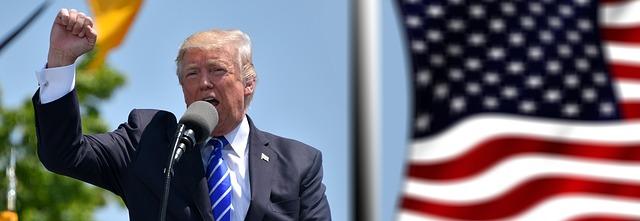
Donald J. Trump’s insistence that the last presidential election was stolen has begun to register with a surprisingly muted response inside his own party, as many Republican officials and voters shrug or steer clear of his most contested claims. What once galvanized a large segment of the GOP now elicits cautious distancing from elected leaders, skeptical responses from party strategists and a quieter echo from the conservative base.
The shift reflects a growing tension within the Republican coalition between loyalty to Mr. Trump and a pragmatic desire to focus on policy priorities and electoral competitiveness. With legal setbacks, waning public appetite for prolonged disputes and an eye toward upcoming races, many Republican figures appear to be recalibrating how – and how loudly – they engage with the former president’s narrative.
Republican Leadership Shrugs as Trump’s Election Claims Fail to Gain Traction Among Core Voters
Republican officeholders have largely steered clear of amplifying the former president’s election assertions, opting instead to emphasize policy priorities and 2024 campaign logistics. In private briefings and on the record, many rank-and-file figures describe the claims as a distraction; a handful of vocal supporters remain, but party operatives say the message has not galvanized the base. Observers point to several practical reasons for the tepid response:
- Fatigue: Voters want forward-looking agendas rather than repeated legal battles.
- Electability concerns: Some strategists worry continued focus on the claims could cost competitive seats.
- Media cycle: Competing headlines on the economy and local races are drowning out the narrative.
Data from a mix of public and internal snapshots show the claims are not translating into broad enthusiasm, complicating leadership’s calculus as midterms approach. A concise breakdown circulated within party circles highlights the limited traction:
| Signal | Approx. Republican Response |
|---|---|
| Strong belief in the claims | ~30% |
| Distrust or skepticism | ~50% |
| Undecided/neutral | ~20% |
For now, leaders appear to be betting that a steady focus on pocketbook issues and targeted messaging will matter more on the ballot than renewed debate over election disputes.
Polling and Local Organizers Show Waning Support for Fraud Narratives and a Shift Toward Issues
Recent surveys show that the once-dominant narrative about widespread election fraud among Republican voters has cooled materially: national and state polling over the past year finds belief in a stolen election slipping into the low-to-mid 40s and lower among key constituencies, while confidence in local party leadership and traditional issue-based appeals has risen. Local organizers, who once amplified fraud messaging, are increasingly redirecting resources toward voter contact, candidate recruitment and municipal concerns – a shift reflected in precinct activity and fundraising patterns.
| Poll | Republicans endorsing fraud claims |
|---|---|
| National Tracker | 42% |
| Key Swing States | 38-45% |
Party operatives and county chairs report a pragmatic recalibration: electability and turnout now top strategy memos, and public rhetoric has trended toward taxes, immigration and local services. Organizers cite several drivers behind the pivot, including court losses for fraud lawsuits, donor pressure for winnable campaigns, and base fatigue with constant litigation. Local leaders point to operational priorities that will dominate the cycle:
- Door-knocking and phone banks over conspiracy-themed rallies
- Investment in down-ballot races and municipal infrastructure
- Voter persuasion on pocketbook issues rather than election mechanics
Party Strategists Recommend Pivot to Issue Focus and Clear Election Integrity Messaging to Rebuild Credibility
Facing sagging approval among independents and a wary donor base, party strategists are urging a rapid shift away from personality-driven narratives toward an issue-driven agenda that foregrounds economic relief, public safety and targeted tax policy. Internal assessments, they say, show that repeated election claims have eroded trust with persuadable voters; the recommended course is to acknowledge administrative weaknesses where they exist while advancing clear, verifiable election-integrity proposals-from bipartisan audits to streamlined ballot access-so the party can reclaim the credibility needed to compete down-ballot and in swing districts.
To operationalize that pivot, advisers outlined a compact set of tactical priorities designed to produce measurable gains in public confidence:
- Message discipline: one-line explanations for reforms, repeated consistently across platforms.
- Fact-focused outreach: local town halls and data-backed explainers rather than viral rhetoric.
- Policy packaging: tie integrity reforms to voter convenience and fraud prevention.
- Rapid rebuttal protocol: a centralized fact-team to correct false narratives quickly.
They cautioned that without a sustained, verifiable effort to center policy and transparent reforms, the party risks leaving swing voters unconvinced and ceding momentum to opponents who have already capitalized on the credibility gap.
State Officials Urged to Boost Transparency, Expand Voter Education, and Publicize Audit Protocols
State election administrators and lawmakers are facing renewed pressure to make ballot-handling and certification processes more accessible to the public, with advocates saying clearer communication is essential to stem misinformation and restore confidence. Officials are being urged to publish detailed audit protocols, expand voter-education campaigns, and open channels for independent observation. Concrete recommendations circulating among policy groups include:
- Publishing step-by-step audit procedures and chain-of-custody records
- Funding multilingual voter-education outreach ahead of each election
- Establishing transparent timelines for certification and post-election reviews
Observers say these moves would align administrative practice with the goal of bolstering public trust while preserving integrity. Short-term actions proposed by bipartisan working groups emphasize clear messaging, accessible online dashboards, and standardized manuals for county clerks; longer-term reforms call for dedicated funding and regular public drills to demonstrate procedures in action. Key measures at a glance:
| Measure | Timeline | Lead |
|---|---|---|
| Audit protocol publication | 30-60 days | State election office |
| Expanded voter education | 6-12 months | Local election boards |
| Independent observer program | Next election cycle | Bipartisan commission |
The Conclusion
As Republican leaders weigh loyalty to Mr. Trump against concerns about electability and the rule of law, the party faces a choice that could define its trajectory through the 2024 cycle. For now, the fading enthusiasm among many establishment figures for his election claims has tempered the immediate political fallout, even as the former president’s assertions continue to resonate with a significant portion of the base. How Republicans reconcile those competing pressures – and whether Mr. Trump’s narrative regains momentum or further recedes – will help determine not only the party’s messaging but also the shape of the battle for the next presidential contest.