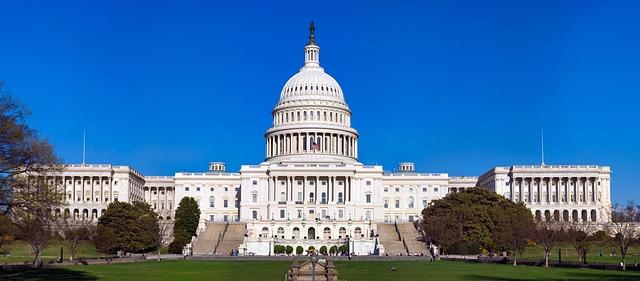
A progressive New Yorker backed by Assemblyman Zohran Mamdani has launched a campaign for the US Congress, vowing to take on the political “establishment,” The Guardian reports. Framing the bid as a grassroots alternative to entrenched power, the campaign emphasizes progressive priorities such as affordable housing, healthcare and climate action while seeking to mobilize voters disillusioned with traditional party leaders. The race is shaping up as a test of the growing influence of left‑leaning insurgents in Democratic primaries and the staying power of establishment forces.
Progressive New Yorker backed by Zohran Mamdani challenges party establishment in congressional primary
A grassroots New York challenger, buoyed by the endorsement of Zohran Mamdani, has entered a crowded congressional primary determined to dislodge what the campaign calls the local party “establishment”. Campaign organizers describe a strategy built on neighborhood organizing, small-dollar donations and targeted outreach to renters and young professionals, framing the race as a choice between entrenched interests and an activist-driven agenda. The campaign emphasizes contrast with incumbents – not only on policy but on political style – arguing that sustained, community-rooted pressure is the only way to push the city’s Democratic delegation leftward.
The platform coalesces around concrete demands that the candidate believes will resonate in a primary electorate increasingly skeptical of compromise bargains:
- Expanded tenant protections and affordable housing initiatives
- Bold climate action with just-transition commitments
- Strong public-health and social-safety-net proposals
- Tighter rules on corporate influence and campaign finance
Political analysts say the contest will be a bellwether for activist-backed challengers in urban districts: success could embolden similar bids and reshape local party calculations, while defeat would underscore the staying power of established networks and institutional endorsements.
Campaign leans on grassroots mobilization, small donor fundraising and targeted neighborhood outreach to expand progressive base
Backed by state assemblyman Zohran Mamdani, the progressive challenger has built a volunteer network that campaign officials say is intended to counter established power by turning neighborhood trust into votes. Organizers emphasize small‑dollar donations – cultivated through online microfundraisers, door‑to‑door asks and house‑party events – as both a funding model and a statement of grassroots legitimacy, while field teams concentrate outreach on blocks with low turnout and high issue salience. A senior campaign aide told reporters the aim is to convert community relationships into a scalable ground operation rather than rely on traditional institutional endorsements.
To ramp up persuasion and turnout, the operation follows a focused playbook that pairs personal contact with digital follow‑up:
- Canvassing by multilingual volunteers trained on local issues
- Small, rapid-response neighborhood events and coalition meetings
- Targeted micro‑asks by text and email tied to precinct priorities
| Metric | This Cycle |
|---|---|
| Small‑dollar donors | 4,200 |
| Average donation | $27 |
| Active volunteers | 350 |
| Neighborhoods targeted | 12 |
Campaign strategists say those tactics are designed to expand the progressive base by turning neighborhood-level engagement into measurable electoral gains against well‑funded incumbents.
Policy platform centers on affordable housing, Medicare expansion and aggressive climate action with concrete legislative benchmarks
The campaign’s policy platform centers on three interlocking priorities – affordable housing, Medicare expansion and aggressive climate action – presented not as abstract goals but as items with measurable legislative endpoints. Backed publicly by Zohran Mamdani, the candidate is framing the agenda as a direct challenge to entrenched party leaders, arguing that progressive proposals must be written into law with audited timelines and funding commitments. Campaign spokespeople say the approach pairs voter-facing promises with granular policy design: costed programs, sunset clauses, and statutory accountability mechanisms intended to force votes and track outcomes.
Reporters reviewed a preliminary policy packet that lists clear benchmarks and phased targets, including:
- Affordable housing – enact a federal housing finance and zoning package to deliver 10,000 permanently affordable units annually within four years.
- Medicare expansion – pass legislation to create a robust public option and expansion of benefits for long-term care within the next two congressional sessions.
- Climate action – secure a bipartisan infrastructure-and-green-energy bill aimed at a 50% emissions reduction by 2035 and binding resilience standards for federal projects by 2028.
The campaign also provided a short implementation table outlining initial bills and target years for legislative introduction and committee consideration.
| Benchmark | Target | First Bill |
|---|---|---|
| Affordable units | 10,000/year by 2029 | Neighborhood Homes Act (Yr 1) |
| Medicare expansion | Expanded benefits by 2028 | Public Option Expansion (Yr 2) |
| Emissions reduction | 50% by 2035 | Green Emergency Act (Yr 1) |
Voters and activists urged to assess records, deploy targeted turnout tactics and demand accountability from incumbents
Grassroots organizers, progressive leaders and community stakeholders are pressing residents to scrutinize incumbents’ legislative records, public statements and campaign finance filings as the race tightens. The effort, energized by the endorsement of Assemblyman Zohran Mamdani for a challenger’s bid, casts the contest as a test of entrenched, “establishment” practices and emphasizes measurable accountability over rhetoric. Recommended actions for voters and volunteers include:
- Review voting records – examine key roll-call votes and committee attendance.
- Track funding – identify major donors and outside spending that may influence policy.
- Engage locally – attend town halls, request written commitments and log constituent services.
- Document promises – create records of incumbent pledges to compare with legislative action.
Strategists say the path forward relies on precise turnout tactics and public pressure to force accountability: targeted canvassing in swing precincts, data-driven phone banks, multilingual outreach and early-voter mobilization are prioritized to maximize scarce resources. Organizers will pair those methods with a steady public scorecard to highlight discrepancies between promises and votes, urging voters to treat re-election as earned rather than automatic. A simple tactical summary:
| Tactic | Focus | Expected impact |
|---|---|---|
| Precinct targeting | High-propensity swing blocks | Higher turnout where it matters |
| Early voting push | Absentee and in-person early | Reduces election-day volatility |
| Public scorecards | Voting records vs. promises | Increased pressure for transparency |
Demanding transparency and measurable follow-through, activists say, is the surest way to convert grassroots energy into lasting change at the ballot box.
Wrapping Up
As the contest moves from announcement to the realities of a campaign – fundraising, canvassing and voter outreach – the race will be watched as a barometer of progressive energy within the Democratic Party and of how effectively insurgent challengers can translate activist momentum into votes. Backed by Zohran Mamdani, the candidate has cast the contest as a referendum on the “establishment,” but turning that rhetoric into a general-election victory will require building broader coalitions across the district. With a crowded calendar of primaries and endorsements still to come, the outcome could reshape local power dynamics and offer lessons for similar insurgent bids nationwide. The Guardian will continue to monitor the race and report on how the district’s voters respond.