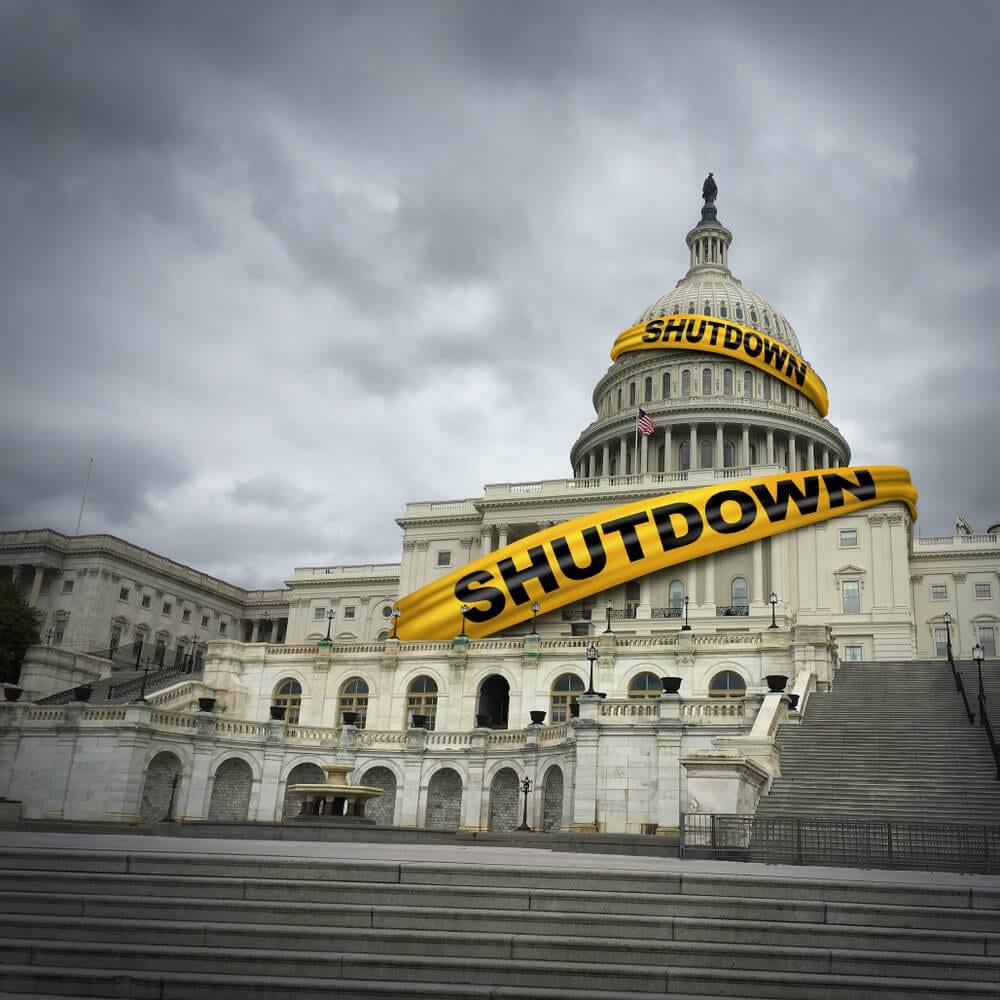
Government Shutdown Enters Full Day as Negotiations Stall – Practical Steps Urged to Protect Critical Services
The federal government has entered its first complete day without approved funding, and negotiators show little inclination to yield. As elected officials and White House leaders hold firm to their policy demands, core federal functions are operating under emergency protocols while thousands of employees face furloughs or uncertain pay. Observers warn the stalemate could magnify economic disruption and make a return to routine governance more difficult unless negotiators move toward compromise.
Immediate Disruptions Across Agencies and Public Services
With funding lapsed, many federal offices scaled back or paused normal operations: furlough notices appeared in inboxes, permit processing halted, grant disbursements were delayed, and scheduled inspections were canceled. A small subset of services deemed critical continues on an exception basis, but officials stress that those temporary measures do not replace an appropriation. Field staff at regional offices are triaging emergencies while nonessential programs remain suspended.
- Courts: dockets reduced, some hearings postponed
- National parks: many gates closed or operated with skeleton crews
- Scientific research: participant enrollment and reporting slowed
Early signals indicate the impact will grow quickly if the shutdown persists. Independent estimates warn the economic hit could range from hundreds of millions to multiple billions of dollars per week, depending on length and scope, and anecdotal reports show rising demand at food banks and strained municipal budgets.
Why a Short-Term Funding Patch Is Being Urged
Budget specialists and former administration officials recommend passing a narrow continuing resolution (CR) to stabilize operations while negotiations continue. A short-term CR would give agencies breathing room and protect time-sensitive services. Experts suggest prioritizing a compact list of emergency-funded items such as payroll for emergency responders, nutrition assistance, aviation safety, and vital public-health programs.
| Service | Immediate Effect |
|---|---|
| National Parks | Closures and curbed visitor services |
| SNAP and other benefits | Processing delays that jeopardize recipients |
| FDA inspections | Approvals and oversight slowed |
| Air Traffic Control | Reduced staffing and contingency operations |
Political Posturing Deepens the Impasse
Public negotiations have hardened into a display of principle versus pragmatism: party leaders are largely framing the fight as ideological, not merely procedural. That political theater is intended to energize supporters ahead of upcoming electoral tests, but it increases the risk of tangible harm to constituents. Analysts argue the most effective escape route is to de-escalate the public spectacle and resume quiet, focused bargaining on a finite set of trade-offs.
Recommended Negotiation Tactics
- Private, senior-level talks: Reduce public posturing so leaders can make concessions without losing face.
- Targeted compromise packages: Solve immediate funding gaps without reopening all policy debates.
- Confidence measures: Short, verifiable steps to lower tensions and build trust.
- Time-limited CRs: Stopgaps with clear sunsets to allow negotiations to proceed without operational harm.
Markets and capitals reacted with caution as the shutdown took full effect; prolonged refusal to negotiate could ripple through federal operations and voter perceptions. Observers favor a discreet, narrowly tailored arrangement that preserves negotiating leverage while preventing further damage.
| Consequence | Near-Term Probability |
|---|---|
| Federal furloughs | High |
| Market volatility | Moderate |
| Political fallout before elections | Elevated |
Who Is Feeling the Pain – and How to Lessen It
Local officials and nonprofit providers are reporting immediate increases in hardship. Low-income households, municipal contractors, and city budgets are absorbing the first round of shocks: food assistance lines lengthen, eviction-prevention programs see more cases, and some local projects are being delayed as federal reimbursements stall. City finance officers warn that delayed federal funds could force layoffs among subcontractors and cuts to critical services.
Advisers recommend a set of targeted relief measures and automatic safeguards to blunt the impact on vulnerable populations and small businesses connected to federal contracts. Practical interventions include emergency cash support for the poorest households, bridge payments to counties and cities awaiting reimbursements, and provisions to continue benefit payments automatically when federal payrolls are interrupted.
- Emergency direct payments for households below the poverty line
- Advance reimbursements to local governments to cover immediate obligations
- Auto-renewals for SNAP and Medicaid eligibility during funding gaps
| Affected Group | Short-Term Need |
|---|---|
| Low-income families | Cash assistance and food support |
| Government contractors | Liquidity for payroll |
| Local governments | Bridge reimbursements |
A Practical Roadmap Toward Resolution
Policymakers are being encouraged to approve a brief, narrowly tailored continuing resolution that preserves core services while an impartial process helps resolve disputes on the longer-term budget. Proposals circulating among staffers would maintain funding for items where interruptions cause immediate harm – for example, nutrition programs, veterans’ health care, aviation safety, and essential federal personnel – for a limited interval to prevent cascading failures.
| Program | Suggested Immediate Action |
|---|---|
| SNAP and WIC | Maintain payments for 30 days |
| Veterans’ health services | Preserve clinic funding |
| Aviation safety and ATC | Funding exceptions for operations and maintenance |
Complementing a stopgap CR, several aides and outside advisors advocate forming an independent mediation panel composed of retired jurists and neutral budget experts. The proposed panel would convene quickly, meet daily, and issue nonbinding recommendations within a short timeline, with a requirement that Congress vote on those suggestions within a set number of legislative days. Suggested procedural elements include rapid appointments, scheduled public briefings to increase accountability, and a firm schedule for votes to maintain momentum.
- Fast composition: Two lawmakers plus three neutral mediators appointed within 48 hours
- Public accountability: Regular briefings and a published timeline
- Decision pressure: Mandatory House vote on recommendations within five legislative days
Combining a brief, protective CR with a tightly controlled mediation mechanism is presented by many experts as the most pragmatic way to stop immediate harm without surrendering the substantive debates that will shape future budgets.
Closing Summary
As the shutdown completes its first full day with little visible movement from either side, the tangible consequences – furloughs, interrupted services, and mounting uncertainty – are already accumulating. Lawmakers and administration officials have exchanged public statements but offered no breakthrough proposals, leaving the stalemate unresolved.
Citizens, markets, and municipal leaders will be watching closely for any change in tone or a last-minute agreement. For now, the impasse remains, and the short-term focus among analysts and advocates is on securing immediate protections for vulnerable populations and essential operations while creating a disciplined process to resolve the broader budgetary dispute.