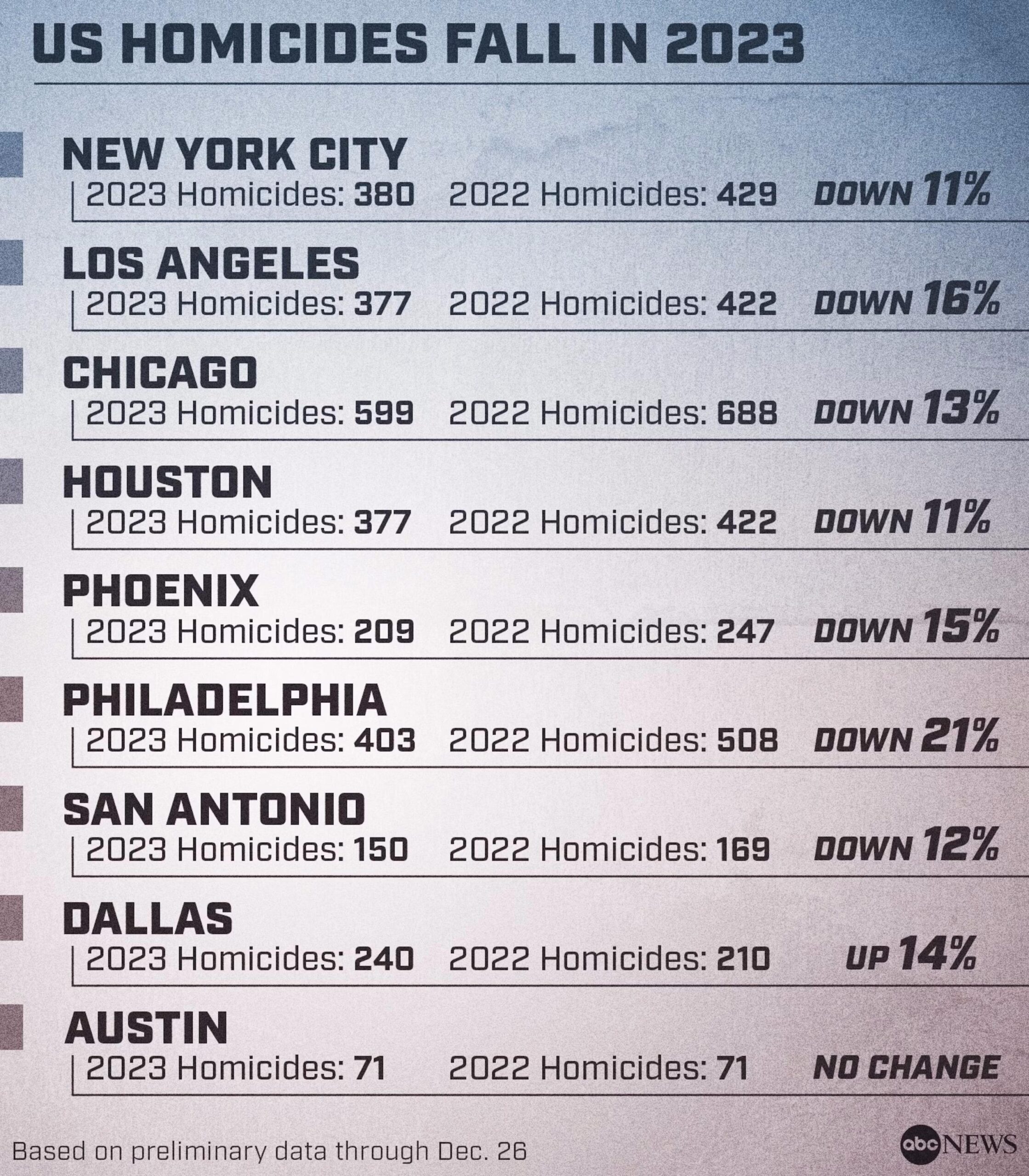
As 2023 draws to a close, the Council on Criminal Justice has released its complete year-end report analyzing crime trends across major U.S. cities.The data offers critical insights into shifting patterns of violent and property crimes, law enforcement responses, and emerging challenges faced by urban communities nationwide. This update provides policymakers, public safety officials, and citizens with a clearer understanding of how crime dynamics have evolved over the past year, spotlighting areas of progress as well as ongoing concerns in America’s urban landscapes.
Crime Rates Shift Across Major U.S.Cities in 2023 Analysis
Throughout 2023, shifts in crime rates have surfaced across several prominent U.S. cities, reflecting complex social and economic dynamics. While some urban centers reported notable declines in violent crime, others faced increases in property-related offenses, highlighting the varied nature of local crime trends.Law enforcement agencies and civic leaders are paying close attention to these patterns, especially in neighborhoods where public safety concerns remain a top priority.
Key observations from the 2023 analysis include:
- New York City experienced a 7% drop in violent crime compared to the previous year, largely driven by reductions in robbery and assault cases.
- In contrast, several West Coast cities, such as Seattle and Portland, reported increases in property crimes, particularly auto thefts and residential burglaries.
- Midwestern cities showed mixed outcomes, with some seeing a rise in gun-related incidents while others stabilized due to targeted community programs.
| City | Change in Violent Crime | Change in Property Crime |
|---|---|---|
| New York City | -7% | -3% |
| Seattle | +1% | +12% |
| Chicago | +4% | 0% |
| Portland | 0% | +15% |
| Atlanta | -2% | -1% |
Emerging Patterns in Violent and Property Crimes Uncovered
Recent data reveals a nuanced shift in criminal activities across major U.S. cities, with some violent crimes showing unexpected declines while certain property crimes surge. Homicides and aggravated assaults have seen a noticeable decrease in metropolitan areas historically plagued by high violence rates, challenging prior predictions of persistent rises. Conversely, offenses such as car theft and burglary have escalated, partly attributed to economic pressures and evolving criminal tactics. These patterns suggest law enforcement agencies must adapt strategies to target emergent vulnerabilities rather than rely solely on traditional crime-fighting methods.
Key factors influencing these trends include:
- Increased use of technology in both crime prevention and perpetration
- Community engagement programs enhancing local trust and cooperation
- Economic stressors driving opportunistic property crimes
| Crime Type | 2022 Rate | 2023 Rate | Percent Change |
|---|---|---|---|
| Homicides | 7.2 per 100k | 6.5 per 100k | -9.7% |
| Aggravated Assault | 120 per 100k | 115 per 100k | -4.2% |
| Car Theft | 330 per 100k | 385 per 100k | +16.7% |
| Burglary | 410 per 100k | 450 per 100k | +9.8% |
Community Policing Strategies Gain Traction Amidst Crime Fluctuations
As cities grapple with fluctuating crime rates, law enforcement agencies are increasingly adopting community policing strategies to enhance public safety and build trust with residents. These initiatives prioritize collaboration between police officers and local communities, emphasizing problem-solving over traditional enforcement.Key tactics include neighborhood patrols, regular town hall meetings, and youth engagement programs tailored to address specific local concerns. Early evidence suggests these approaches contribute to more sustained crime reductions and improved community relations.
A recent analysis highlights several core components driving the success of community policing efforts:
- Increased transparency through open interaction channels
- Community partnerships that foster shared obligation
- Culturally informed training for officers to better understand diverse neighborhoods
- Data-driven deployment to target hotspots with tailored interventions
The adoption of these strategies differs widely across cities, as illustrated below, reflecting varied local priorities and resource availability:
| City | Community Policing Programs | Reported Crime Change (2022-2023) |
|---|---|---|
| Seattle | Neighborhood Watch, Youth Outreach | -5.2% |
| Atlanta | Community Liaisons, Cultural Training | -3.8% |
| Denver | Data-Driven Patrols, Town Halls | +1.1% |
| Baltimore | Joint Police-Community Taskforces | -7.0% |
Policy Recommendations for Sustained Crime Reduction and Public Safety
To achieve lasting success in public safety, policymakers must adopt a holistic approach that blends community engagement with smart law enforcement practices. Emphasizing investment in social services such as mental health support, education, and job training has demonstrated tangible effects in steering at-risk populations away from criminal activity. Simultaneously, enhancing transparency through body-worn cameras and fostering strong community-police relationships build trust, encouraging cooperation and information sharing crucial for crime prevention.
Effective strategies also include targeted interventions based on data-driven insights. The following priorities should guide future policy frameworks:
- Expand community policing: Officers embedded in neighborhoods create safer environments through early conflict resolution.
- Implement violence interruption programs: Engage credible community members to mediate and diffuse crises before they escalate.
- Modernize criminal justice data systems: Real-time analytics enable rapid deployment of resources to emerging hotspots.
- Strengthen reentry services: Support returning citizens with housing, employment, and counseling to reduce recidivism rates.
| Policy Area | Key Metric | Impact |
|---|---|---|
| Community Policing | Citizen Trust +15% | Lower Crime Rates |
| Violence Interruption | Conflict Reduction 20% | Fewer Shootings |
| Reentry Programs | Recidivism Rate -10% | More Stable Communities |
Closing Remarks
As the year closes, the data on crime trends in U.S. cities reveal a complex and evolving landscape. While some urban centers have seen promising declines in certain offenses, others continue to grapple with persistent challenges. These year-end findings from the Council on Criminal Justice underscore the importance of targeted policy responses and community engagement to sustain and build upon progress. Moving forward, close monitoring and evidence-based strategies will be essential to addressing the nuanced realities of crime across the nation.