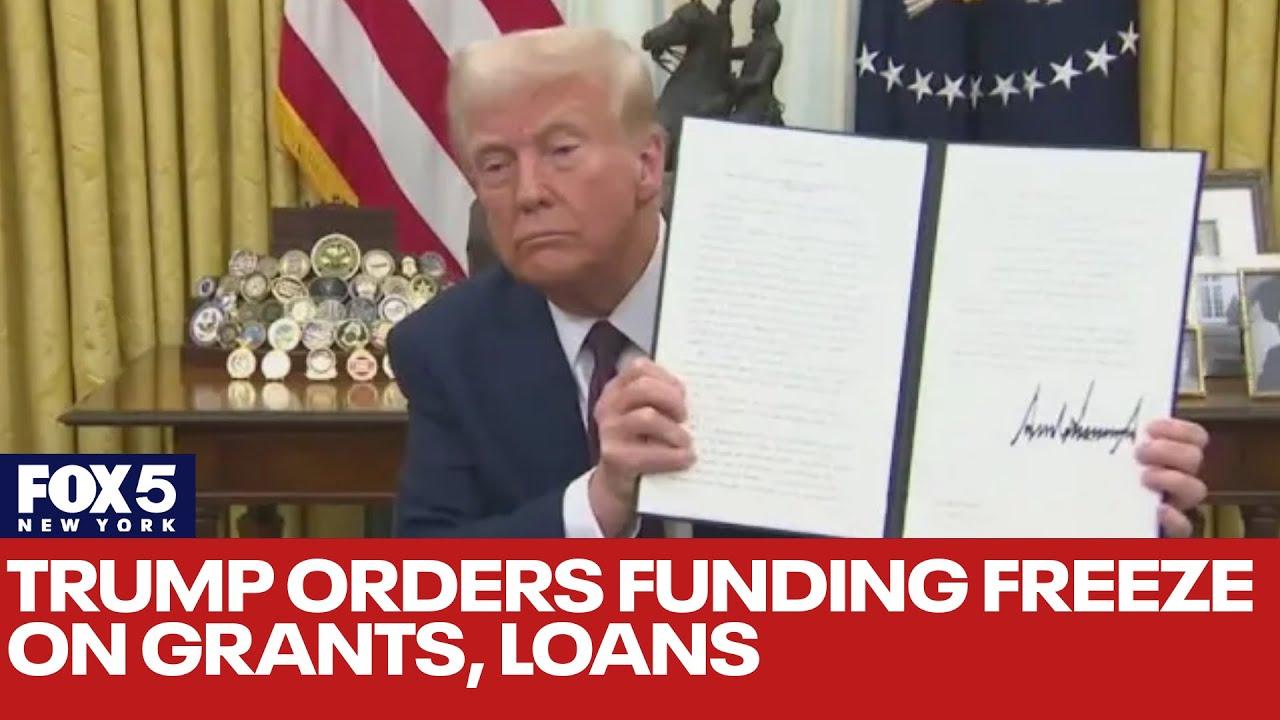
Former President Donald Trump has announced a freeze on $18 billion in federal funding allocated to New York City, a move that targets the nation’s largest metropolis and a stronghold of influential Democratic leaders. The funding freeze comes amid ongoing political tensions between Trump and the city’s elected officials, raising concerns about the potential impact on critical services and infrastructure. As New York City grapples with the sudden withholding of funds,stakeholders across the political spectrum are weighing in on the implications for governance and public welfare.
Trump Halts 18 Billion Dollars in Federal Funding to New York City
In an unprecedented federal move, the Trump administration has suspended $18 billion in funding previously allocated to New York City, a metropolis often viewed as a Democratic enclave. This decision has sent shockwaves through the political landscape, given the city’s pivotal role in national politics and its leadership under prominent Democratic figures. According to official statements, the freeze in funds targets a range of public services and infrastructure projects, which rely heavily on this federal support for their continued operation and development.
The immediate implications for New York City include delays in transportation upgrades, housing initiatives, and public safety programs. City officials have expressed deep concern about the impact on residents, emphasizing that the withheld funds primarily affect vulnerable communities. Below is a snapshot of the categories impacted by the funding halt:
- Mass Transit Investments: Critical upgrades and maintenance suspended
- Affordable Housing: Delay in new projects and expansions
- Community Safety Programs: Limited support for local law enforcement initiatives
| Funding Category | Annual Federal Support | Impact Estimate |
|---|---|---|
| Transportation | $7B | Project delays up to 2 years |
| Housing | $5B | Reduction in affordable units |
| Public Safety | $3B | Programme suspensions |
| Education and Social Services | $3B | Budget reallocations |
Impact on Public Services and Infrastructure in the Nation’s Largest Democratic Stronghold
The decision to freeze $18 billion in federal funding has sent shockwaves through New York City’s public services, jeopardizing critical programs that millions rely on daily. From public transportation systems to emergency response units, many departments are now faced with severe budget shortfalls that threaten operational stability. Key infrastructure projects, already stretched thin due to the pandemic’s strain and inflation, may face further delays or cancellations. Without this vital funding, essential repairs to aging bridges, tunnels, and subways are at risk, potentially compromising public safety and economic productivity.
Public service sectors facing immediate challenges include:
- Mass Transit – Delayed upgrades and reduced maintenance increase risk of service disruptions.
- Healthcare – Hospitals and clinics brace for tighter budgets amid rising demand.
- Social Welfare – Programs supporting low-income families and homeless populations are on the chopping block.
- Public Safety – Police and fire departments face funding shortfalls impacting staffing and resources.
| Sector | Impact | Projected Funding Loss |
|---|---|---|
| Mass Transit | Service delays, safety risks | $4B |
| Healthcare | Resource constraints | $3.5B |
| Social Welfare | Program cuts, increased homelessness | $5B |
| Public Safety | Staff reductions, response delays | $2.5B |
Political Fallout and Responses from NYC Leaders and Democratic Officials
New York City’s political elite swiftly condemned the federal decision to withhold $18 billion in funding, highlighting the severe implications for urban development and public services. Mayor Eric Adams labeled the move a “blatant political attack,” emphasizing that such actions jeopardize critical infrastructure projects and social programs that support millions of residents. Simultaneously occurring, prominent Democratic Congress members representing NYC underscored the necessity of bipartisan cooperation to reverse the freeze, warning that prolonged funding delays would disproportionately harm low-income communities.
Responses gathered include:
- City Council Speaker Adrienne Adams: Called on the state legislature to increase emergency budget allocations to cover immediate shortfalls.
- Senator Chuck Schumer: Promised to leverage his position in the Senate to restore federal support swiftly, condemning the politicization of essential funds.
- Governor Kathy Hochul: Urged local officials to remain resilient and explore alternative revenue streams,while committing to legal challenges against the funding freeze.
| Leader | Key Statement | Response Type |
|---|---|---|
| Eric Adams | “Political sabotage undermining NYC’s future.” | Condemnation |
| Adrienne Adams | Seeking emergency local funding measures | Policy action |
| Chuck Schumer | “Fighting to restore these vital funds.” | Legislative effort |
| Kathy Hochul | Pledging legal challenges | Legal response |
Strategies for Negotiation and Navigating Federal Funding Amid Partisan Tensions
In an surroundings increasingly fraught with political gridlock, securing federal funds demands shrewd negotiation and strategic maneuvering. Stakeholders must cultivate bipartisan support by highlighting shared interests, such as economic revitalization or public health investments, that transcend party lines. Employing data-driven advocacy and fostering coalitions among local and state officials can amplify leverage, making the case that delayed funding induces broader repercussions beyond partisan disputes.
Key tactics include:
- Prioritizing openness: Consistent communication with constituents and federal representatives ensures accountability and builds trust.
- Flexibility in project scopes: Adjusting proposals to align with shifting federal priorities can unlock stalled funds.
- Utilizing legal avenues: Seeking judicial review or invoking Congressional oversight can pressure resumption of funding where politically impeded.
| Strategy | Purpose | Potential Outcome |
|---|---|---|
| Bipartisan Coalitions | Bridge political divides | Enhanced negotiation clout |
| Targeted Lobbying | Influence key decision-makers | Increased funding approvals |
| Adaptive Project Design | Align with federal priorities | Accelerated disbursement |
To Wrap It Up
As the political standoff over federal funding unfolds, the decision to freeze $18 billion intended for New York City-a prominent Democratic stronghold-signals escalating tensions between the White House and local leadership. The impact of this move will likely reverberate through the city’s economy and public services, setting the stage for a contentious debate over the future of federal support and partisan priorities. Observers will be watching closely to see how New York officials respond and what implications this funding freeze may have on broader national dynamics moving forward.