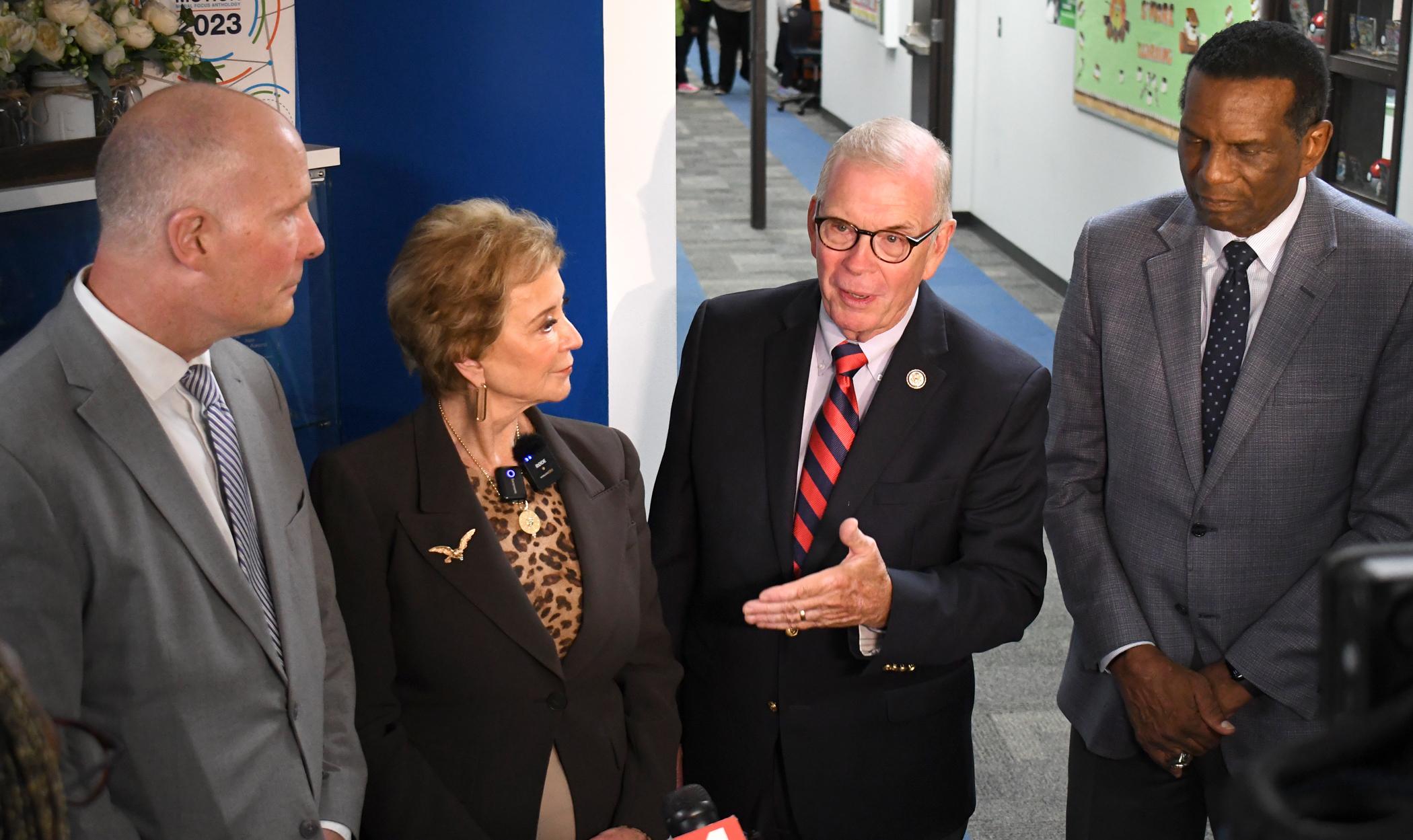
The latest results from the U.S. Department of Education’s “Nation’s Report Card” reveal a stark decline in student performance, marking the lowest test scores in math and reading in over three decades. The data underscores the lasting academic impact of COVID-19-related school closures, with students across the country struggling to regain lost ground. Educators and policymakers are expressing deep concern as these alarming trends threaten to widen educational disparities and hinder the nation’s future competitiveness.
US Student Performance Plummets in Math and Reading Post-Pandemic
Recent data from national assessments reveal a stark decline in American students’ proficiency in key academic areas following extended COVID-19 school closures. The latest “nation’s report card” underscores a troubling trend: scores in math and reading have dropped to historic lows, raising alarm among educators, policymakers, and parents alike. Experts attribute this sharp downturn to interrupted learning, reduced access to resources, and the challenges of remote instruction that left many students behind.
Key findings highlight:
- Math scores among 13-year-olds falling to levels not seen in decades.
- A notable gap widening between students from differing socioeconomic backgrounds.
- Reading proficiency for 9-year-olds similarly deteriorating, with a noticeable impact on comprehension skills.
| Grade | Math Proficiency % (Pre-Pandemic) | Math Proficiency % (Post-Pandemic) | Reading Proficiency % (Pre-Pandemic) | Reading Proficiency % (Post-Pandemic) |
|---|---|---|---|---|
| 4th Grade | 40% | 32% | 37% | 29% |
| 8th Grade | 34% | 25% | 35% | 27% |
Disparities Widen as Underserved Communities Face Greater Learning Loss
The recent data unequivocally underscores an alarming trend: students from underserved communities have disproportionately borne the brunt of educational setbacks caused by COVID-19 disruptions. While overall test scores have declined, the gap between affluent districts and those with fewer resources has widened significantly, exposing deep-rooted inequalities. Factors such as limited access to reliable internet, fewer in-person instructional hours, and a lack of academic support structures have compounded the challenge for these students, who are now falling further behind in both reading and math proficiency.
Experts and educators point to several critical issues driving this disparity:
- Digital Divide: Many students lack adequate devices or stable internet for remote learning.
- Resource Shortfalls: Schools in marginalized neighborhoods often faced staffing shortages and limited tutoring options.
- Socioeconomic Barriers: Home environments for low-income families frequently provide less conducive learning spaces.
- Mental Health Strains: Increased stress and anxiety during the pandemic have negatively impacted student engagement and performance.
| Community Type | Average Math Score Decline | Average Reading Score Decline |
|---|---|---|
| Affluent Suburbs | 8% | 7% |
| Urban Low-Income | 18% | 16% |
| Rural Communities | 15% | 14% |
Experts Urge Comprehensive Federal and Local Intervention to Bridge Education Gaps
Education specialists and policymakers are calling for a multi-faceted approach to address the alarming downturn in student achievement highlighted by recent nationwide testing. The stark decline in proficiency levels, especially in math and reading, underscores the urgent need for targeted fiscal support and innovative curriculums that accommodate post-pandemic learning disparities. Experts emphasize that isolated efforts will fall short without a coordinated strategy uniting federal funding with local school district initiatives.
Key recommendations from education leaders include:
- Increased federal investment in remedial programs and tutoring services.
- Enhanced teacher training focused on adaptive learning technologies.
- Expanded access to mental health resources to support student well-being.
- Robust data collection to continually assess and respond to evolving educational needs.
| Intervention Area | Proposed Action | Expected Outcome |
|---|---|---|
| Federal Funding | Allocate emergency grants to high-need districts | Boost student resources and learning materials |
| Teacher Development | Implement nationwide adaptive learning workshops | Improve instructional effectiveness and engagement |
| Student Support | Expand counseling and mental health programs | Enhance student resilience and focus |
Innovative Tutoring and Summer Programs Key to Accelerating Student Recovery
Addressing the alarming decline in student achievement requires bold, targeted strategies that go beyond the traditional classroom. Schools across the country are turning to innovative tutoring models that provide personalized support tailored to individual learning gaps. These programs leverage technology and data-driven diagnostics to focus efforts where they are most needed,helping students regain lost ground in math and reading with measurable results. Summer programs are also emerging as a critical tool to mitigate learning loss,offering immersive experiences that combine academic enrichment with social-emotional development.
Key elements proving effective in accelerating recovery include:
- One-on-one and small group tutoring: Enhanced engagement and customized instruction amplify comprehension and retention.
- Extended learning time: Summer camps and after-school academies create extra hours for skill reinforcement and enrichment.
- Data-informed interventions: Real-time assessments guide targeted teaching, ensuring students master foundational concepts.
- Collaborative partnerships: Involvement of community organizations and families strengthens support networks.
| Program Type | Focus Area | Average Advancement |
|---|---|---|
| Personalized Tutoring | Math & Reading | 15% Test Score Increase |
| Summer Enrichment Camps | Literacy & Critical Thinking | 12% Engagement Boost |
| Extended Learning Classes | STEM Skills | 10% Skill Mastery |
Final Thoughts
As the latest results from the “nation’s report card” reveal alarming declines in math and reading proficiency, educators and policymakers face a critical challenge. Addressing the widespread learning loss precipitated by pandemic-related school closures will require targeted interventions,sustained funding,and a renewed focus on equitable access to quality education. Without decisive action, the setbacks documented in these test scores risk undermining the academic foundation of an entire generation.