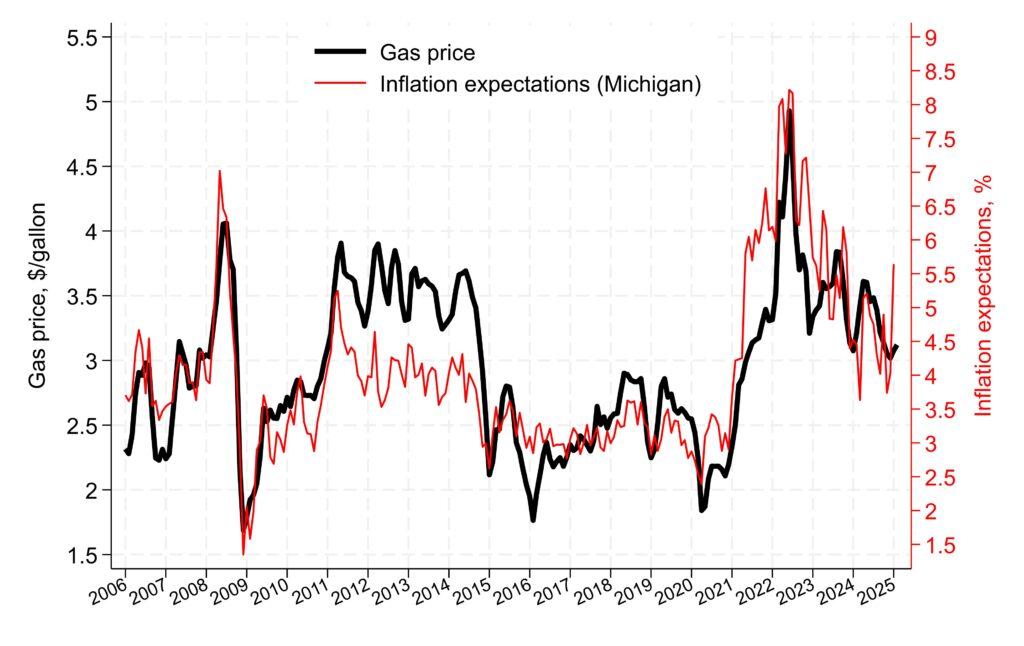
US households are anticipating a sustained rise in inflation over the longer term, according to recent findings from the New York Federal Reserve. The report, highlighted by Reuters, reveals a growing concern among consumers about the erosion of purchasing power, signaling potential challenges for economic policy and market stability. This shift in inflation expectations underscores the complexities facing policymakers as they navigate persistent price pressures amid evolving domestic and global economic conditions.
US Households Anticipate Sustained Inflationary Pressure Amid Economic Uncertainty
Recent data from the New York Federal Reserve reveals a growing concern among US households about enduring inflation. Surveys indicate that consumer expectations for inflation over the next five years have edged higher,reflecting unease with persistent price increases and economic instability. This sentiment is further compounded by rising costs in energy, housing, and essential goods, which continue to outpace wage growth, challenging family budgets nationwide.
Key factors driving these concerns include:
- Volatile commodity prices impacting everyday expenses
- Uncertainty in the labor market affecting income security
- Global supply chain disruptions contributing to price hikes
| Inflation Expectation Horizon | Percent Expecting >3% Inflation |
|---|---|
| 1 Year Ahead | 42% |
| 5 Years Ahead | 35% |
This trend in inflation expectations underscores the challenges policymakers face in restoring confidence while balancing growth and price stability. Household resilience remains tested as uncertainty lingers on both economic and geopolitical fronts.
New York Fed Survey Reveals Rising Inflation Expectations Across Demographics
Recent findings from the New York Federal Reserve shed light on a notable shift in inflation expectations among U.S. households. The survey highlights a growing concern that inflation will remain elevated over the longer term, a sentiment that spans various demographic groups. This trend marks a departure from earlier optimism, signaling increasing caution in consumer behavior as Americans brace for sustained price increases.
Key demographic insights include:
- Age groups: Both younger and older households report heightened inflation expectations, with millennials showing the steepest rise.
- Income segments: Lower-income families anticipate more pronounced inflation impacts compared to higher-income counterparts.
- Geographic distribution: Urban households demonstrate slightly higher inflation outlooks relative to rural areas.
| Demographic | Inflation Expectation Increase (%) | Notable Trend |
|---|---|---|
| Millennials | 12 | Largest rise among age groups |
| Low-income Households | 15 | More impact expected |
| Urban Residents | 9 | Higher inflation outlook |
| Rural Residents | 6 | Relatively lower expectations |
Implications for Consumer Spending and Monetary Policy Adjustments
With household inflation expectations rising for the longer term, consumer spending behaviors are undergoing noticeable shifts. Many households are prioritizing essential goods and services, reducing discretionary expenditures to cushion against anticipated price increases. This adjustment could cool demand in non-essential sectors, potentially slowing overall economic growth. Furthermore, the tendency to seek inflation-protected assets may rise, influencing saving patterns and investment choices across the population.
Monetary policymakers face a challenging habitat as these heightened inflation expectations complicate the task of managing price stability. The Federal Reserve may consider more aggressive interest rate hikes or extended tightening periods to anchor inflation sentiment. However, policymakers must carefully balance these measures against the risk of dampening economic momentum. Below is a concise overview of potential monetary policy responses and their expected impacts:
| Policy Action | Expected Impact | Timeframe |
|---|---|---|
| Rate Hikes | Reduce inflation pressure, increase borrowing costs | Short to Medium Term |
| Balance Sheet Reduction | Lower liquidity, strengthen dollar | Medium Term |
| Forward Guidance Tightening | Influence market expectations, stabilize inflation outlook | Ongoing |
- Consumer caution in spending could decelerate economic growth.
- Monetary restraint aimed at anchoring inflation expectations.
- Investment shifts towards inflation-hedged assets likely to increase.
Strategies for Households to Manage Prolonged Inflation Challenges
As inflation expectations rise among US households, adapting financial habits becomes crucial to mitigating the impact of sustained price increases. Experts recommend proactive budgeting approaches, including prioritizing essential expenses and reducing discretionary spending to maintain cash flow stability. Households should also explore shifting to fixed-rate debt options to avoid escalating interest costs associated with variable rates, commonly adjusted with inflation. Moreover, investing time in comparison shopping and utilizing discounts or bulk purchases for staple goods can help buffer everyday expenses.
Enhancing income streams is another strategic response to prolonged inflationary pressure. Families may consider part-time jobs, freelancing opportunities, or upskilling for higher-paying roles to offset purchasing power erosion. Additionally, financial advisors advise reviewing investment portfolios to include assets that historically act as inflation hedges, such as real estate or commodities. The table below summarizes practical steps for households navigating extended inflationary environments:
| Strategy | Purpose | Example |
|---|---|---|
| Budget Adjustment | Control spending | Cut non-essentials |
| Debt Management | Reduce interest risk | Switch to fixed-rate loans |
| Income Diversification | Enhance cash flow | Freelance or part-time job |
| Investment Review | Protect assets | Add inflation-linked securities |
Wrapping Up
As concerns over inflation continue to influence economic decisions, the New York Fed’s findings highlight a cautious outlook among US households regarding long-term price stability. This expectation of higher inflation could shape consumer behavior and policy responses in the months ahead,underscoring the challenges facing efforts to achieve sustainable economic growth.Policymakers will likely monitor these sentiment trends closely as they navigate the path to price stability.