A new interactive map offers a detailed comparison of crime rates in Washington, D.C., against those of all 50 U.S. states, shedding light on the city’s standing in the national crime landscape. Released this week, the visualization provides a comprehensive overview of various crime categories, enabling readers to see how the nation’s capital measures up in both violent and property crimes. As crime continues to be a critical topic in public discourse, the map serves as a valuable resource for policymakers, residents, and law enforcement officials seeking to understand and address safety concerns in the region.
DC Crime Rates in Context How the Capital Compares to National Trends
Washington, DC’s crime landscape presents a multifaceted picture when juxtaposed with nationwide data. While the District has experienced fluctuations in crime rates over recent years, certain categories remain consistently above or below the national average. As an example, violent crime rates in DC often surpass many states, reflecting underlying urban challenges that are typical of major metropolitan areas. However, property crimes such as burglary and theft tend to align more closely with national trends, suggesting a complex interplay of socioeconomic factors unique to the capital.
Key comparisons include:
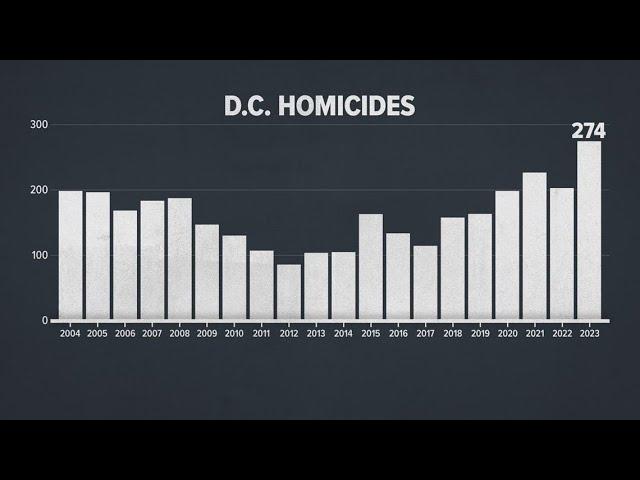
- Homicide rates: Higher than the national average, but showing a declining trend in recent years.
- Assault incidents: Elevated relative to most states, highlighting ongoing community safety concerns.
- Property crimes: Falling within the mid-range compared to other urban centers.
| Crime Category | DC Rate per 100,000 | National Average per 100,000 |
|---|---|---|
| Homicide | 22.4 | 5.0 |
| Assault | 410.2 | 280.5 |
| Burglary | 338.9 | 341.2 |
| Theft | 1,209.3 | 1,215.7 |
Analyzing Violent and Property Crimes Key Insights from the Latest Map Data
Recent crime mapping data offers a compelling look into how Washington DC measures up against other US states in terms of violent and property crime rates. Notably, while DC experiences a higher incidence of violent crimes such as aggravated assault and robbery compared to the national average, the city’s property crime rates, including burglary and motor vehicle theft, align more closely with states exhibiting moderate crime levels. The maps highlight key hotspots within DC where violent crimes cluster, underscoring critical urban areas requiring focused law enforcement intervention.
Key findings from the data include:
- Violent Crime: DC’s aggravated assault rate stands at nearly double the national average, with robbery incidents concentrated downtown.
- Property Crime: Burglary rates are comparable to those found in mid-sized states, with noticeable seasonal fluctuations.
- Comparative Analysis: States such as New York and Illinois mirror DC’s violent crime trends but record lower property crime.
| Crime Type | DC Rate (per 100,000) | US Average | Closest State Comparison |
|---|---|---|---|
| Aggravated Assault | 750 | 450 | Illinois (700) |
| Robbery | 580 | 400 | New York (560) |
| Burglary | 400 | 410 | Ohio (395) |
| Motor Vehicle Theft | 300 | 320 | Michigan (310) |
Community Impact and Safety Concerns What Residents Need to Know
Residents across DC neighborhoods are increasingly concerned about how crime statistics affect daily life and community well-being. The latest data reveal a complex portrait: while some areas experience crime rates comparable to certain U.S. states, others reflect significantly higher or lower numbers. This discrepancy impacts local businesses, school safety, and neighborhood cohesion. Community leaders emphasize the need for targeted prevention programs and stronger collaboration between law enforcement and residents to address underlying causes such as economic disparity and lack of resources.
Understanding specific crime trends is crucial for making informed decisions and advocating for effective change. Below is a simplified comparison of DC’s crime rate categories with select U.S. states,which highlights areas requiring urgent attention:
| Crime Category | DC Rate | Comparable US State | Impact on Community |
|---|---|---|---|
| Violent Crime | 750 per 100K | Louisiana (740 per 100K) | Increased safety concerns,need for better policing |
| Property Crime | 1,200 per 100K | New Mexico (1,250 per 100K) | Higher insurance costs,business instability |
| Overall Crime | 1,950 per 100K | Maryland (1,900 per 100K) | Community vigilance and resource allocation needed |
- Stay informed: Regular updates on crime can empower residents in personal and neighborhood safety strategies.
- Participate locally: Engage in community meetings to voice concerns and support local safety initiatives.
- Support outreach: Encourage programs focused on youth engagement and economic opportunity to reduce crime drivers.
Policy Recommendations Addressing Crime Challenges in Washington DC
Efforts to reduce crime in Washington DC must prioritize community-based interventions and enhanced policing strategies. Investing in local youth programs can address root causes of violence by providing constructive alternatives and mentorship, while also fostering stronger community ties. Additionally, improving inter-agency collaboration between city police, federal law enforcement, and neighborhood organizations will enable faster response times and more targeted crime prevention tactics.
Policymakers are urged to consider a data-driven approach to allocate resources effectively. This includes deploying increased surveillance and patrols in high-crime neighborhoods as indicated by comparative crime mapping data, while simultaneously expanding mental health and substance abuse services. Below is a summary of key policy recommendations designed for measurable impact:
- Community Engagement: Build trust between law enforcement and residents through regular forums and participatory policing.
- Targeted Policing: Use geographic crime data to focus resources on hotspot areas.
- Social Programs: Expand education, job training, and drug rehabilitation initiatives.
- Technology Utilization: Implement advanced data analytics and surveillance systems.
| Strategy | Expected Outcome | Time Frame |
|---|---|---|
| Community Workshops | Improved police-community relations | 6-12 months |
| Hotspot Policing | Reduction in violent crime rates | 12-24 months |
| Youth Engagement Programs | Decrease in juvenile delinquency | Ongoing |
Closing Remarks
As the map reveals, Washington D.C.’s crime rates present a complex picture when compared to those of U.S. states, highlighting areas of both concern and progress. By placing the capital’s statistics in a broader national context, readers gain a clearer understanding of the challenges and unique factors influencing crime in the district. Continued analysis and informed dialogue remain essential as policymakers and communities work toward effective solutions. Stay tuned to Newsweek for ongoing coverage and insights into public safety trends across the nation.