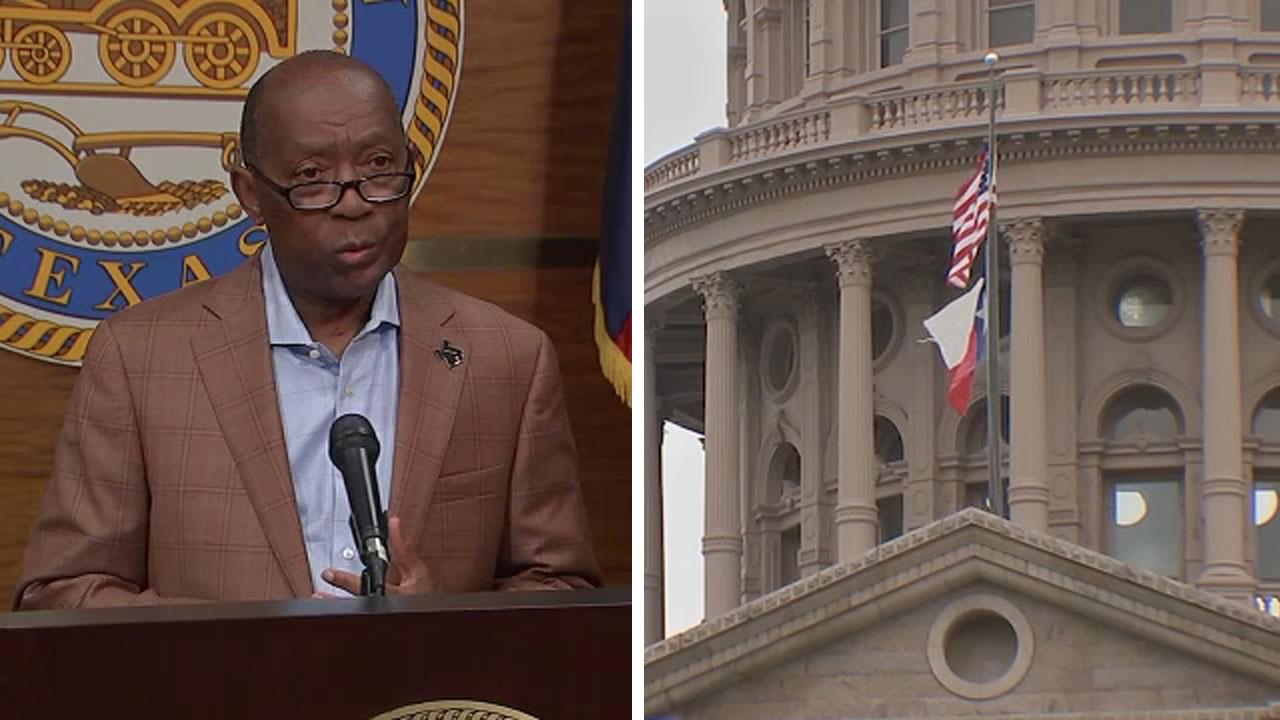
In a significant legal development, a federal judge has temporarily blocked a Texas law requiring public schools to prominently display the Ten Commandments. The decision, announced Wednesday, raises critical questions about the separation of church and state and marks a notable setback for proponents of the legislation. The ruling comes amid ongoing debates over religious expression in public education, underscoring the complex challenges faced by school districts navigating constitutional boundaries.
Judge Blocks Texas Mandate Requiring Ten Commandments Display in Public Schools
In a decisive ruling, a federal judge has temporarily blocked a Texas law that would have required public schools to display the Ten Commandments in classrooms and hallways. The judge cited concerns about the separation of church and state, emphasizing that the law could violate the Establishment Clause of the First Amendment. This move halts the state’s enforcement of the mandate while legal challenges unfold, signaling a critical juncture in the ongoing debate over religious symbols in public education.
The legal battle centers on several key arguments presented by advocacy groups and educators:
- Constitutional Rights: Claiming the law infringes on religious freedom and coerces students into endorsing a particular religious text.
- Diversity and Inclusion: Highlighting concerns that prominently displaying the Ten Commandments could alienate students from diverse religious backgrounds.
- Precedent Cases: Referencing past Supreme Court decisions that have struck down similar mandates nationwide.
| Stakeholder | Position | Next Steps |
|---|---|---|
| Texas Legislators | Supportive of the law | Appeal the ruling |
| Opponents (Lawyers & Advocates) | Challenge the law | Push for permanent injunction |
| School Districts | Mixed reactions | Evaluate compliance with ruling |
Legal Implications and Constitutional Challenges Surrounding Religious Displays in Education
The recent judicial decision to halt the Texas law mandating the display of the Ten Commandments in public schools highlights significant constitutional tensions, particularly regarding the Establishment Clause of the First Amendment. Legal experts argue that such mandates risk government endorsement of a specific religious code,blurring the constitutionally mandated line between church and state. This case is emblematic of broader constitutional challenges faced by states attempting to integrate religious content in publicly funded educational settings, raising questions about religious neutrality and inclusivity for students of diverse faiths and beliefs.
Key points of contention include:
- Religious Endorsement: Courts scrutinize whether the display constitutes state support of religion or serves an educational purpose.
- Equal Access: Potential discrimination concerns if only particular religious texts are highlighted while excluding others.
- Legal Precedents: Previous rulings such as Stone v.Graham and McCreary County v.ACLU provide foundational legal frameworks challenging religious displays.
- Impact on Educational Environment: Whether mandated religious displays infringe on the rights of students to a secular public education.
| Legal Criteria | Application to Texas Law | Constitutional Concerns |
|---|---|---|
| Lemon Test (from Lemon v. Kurtzman) | Evaluates purpose, effect, and entanglement | Law may fail the “secular purpose” requirement |
| Endorsement Test | Assesses perception of state endorsement | Displays perceived as endorsing religion |
| Coercion Test | Considers if students feel forced religiously | Potential coercion through mandated exposure |
Reactions from Education Officials and Advocacy Groups on the Court Ruling
Education officials expressed a mix of relief and concern following the court’s decision. Many school administrators welcomed the ruling, viewing it as a reinforcement of the constitutional separation of church and state. “Our schools should be inclusive environments that respect the diverse beliefs of all students,” said Monica Ramirez, superintendent of a large Texas school district. Though, some noted the challenge of balancing educational content while respecting legal boundaries, emphasizing the importance of clear guidelines moving forward.
Advocacy groups on both sides swiftly reacted to the verdict. Civil liberties organizations hailed the decision as a victory for religious freedom and pluralism in education. The American Civil Liberties Union (ACLU) released a statement highlighting how the suppression of mandated religious texts protects minority students from feeling excluded. Conversely, some faith-based advocacy groups criticized the ruling, describing it as an attempt to “erase religious heritage” from public schools. Their call to action includes renewed efforts to promote religious literacy through voluntary programs rather than mandates.
- ACLU: Calls ruling a protection of minority rights in schools
- Texas Education Agency: Reviews policy for future curricular recommendations
- Faith-Based Advocates: Plan increased engagement through community forums
- School Principals: Stress importance of neutrality and inclusiveness
| Group | Position | Next Steps |
|---|---|---|
| ACLU | Support ruling | Monitor compliance |
| Faith-Based Advocates | Oppose ruling | Promote voluntary religious education |
| School Districts | Neutral | Update policy guidelines |
| Parents’ Associations | Mixed | Host informational sessions |
Recommendations for Schools Navigating Religious Content Policies Post-Ruling
Schools must now reevaluate their approach to religious content in classrooms to ensure compliance with constitutional guidelines post-ruling. Administrators should collaborate closely with legal experts and community stakeholders to develop policies that respect religious diversity while avoiding mandated religious instruction. Transparent dialog with parents and students is crucial, emphasizing inclusivity and legal adherence to prevent future litigation risks.
Key considerations for policy adjustments include:
- Implementing secular curricula that address ancient and cultural aspects of religion without endorsing specific beliefs
- Offering forums for voluntary, student-led discussions rather than compulsory religious content
- Training educators on constitutional boundaries surrounding religious expression in public schools
- Providing clear guidelines on the distinction between teaching about religion and promoting religion
| Action | Objective | Expected Outcome |
|---|---|---|
| Policy Review | Align content with legal standards | Reduce risk of lawsuits |
| Educator Training | Ensure proper handling of religious topics | Maintain classroom neutrality |
| Community Engagement | Foster understanding and inclusion | Build trust with families |
| Content Oversight | Monitor instructional materials | Prevent inadvertent endorsement |
To Wrap It Up
The recent decision by the judge to halt the Texas law mandating the Ten Commandments in public schools marks a significant development in the ongoing debate over the role of religion in education. As the legal battle continues, stakeholders on both sides remain vigilant, underscoring the delicate balance between constitutional principles and community values. The outcome of this case will likely have lasting implications for how religious expression is navigated within the nation’s public school systems.