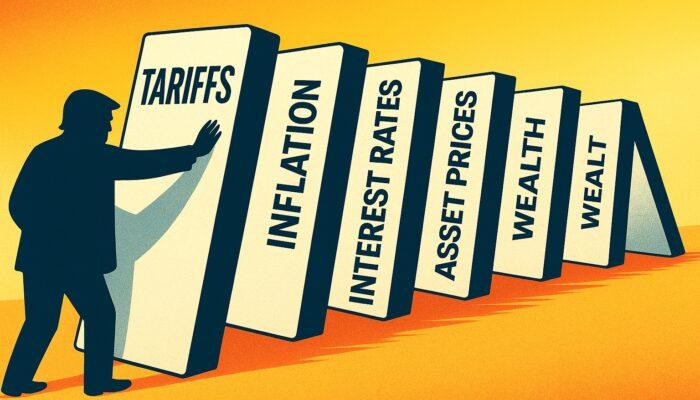
As the United States continues to impose tariffs on a range of imported goods, many consumers and businesses have been asking a pressing question: Where is the inflation from these trade duties? Despite extensive economic analysis and debate, the immediate impact on prices has been surprisingly muted. Though, economists caution that the true effects may still be unfolding, with broader inflationary pressures potentially emerging over time. This article explores the complexities behind tariff-induced inflation and what experts predict lies ahead for the economy.
Rising Costs May Take Time to Reach Consumers
Economic experts emphasize that the impact of tariffs on consumer prices may not be immediately visible. The intricate supply chains and strategic adjustments by importers often delay the pass-through of increased costs. Retailers frequently absorb initial tariff hikes by trimming their own margins or finding alternative sourcing options, mitigating the immediate price shock for shoppers.
Furthermore, the timing of cost transmission varies across different sectors and products, making inflation dynamics complex and gradual. Factors contributing to this lag include:
- Inventory buffers: Firms selling previously imported stock at pre-tariff prices.
- Contractual agreements: Fixed pricing with suppliers or customers that delay adjustments.
- Market competition: Pressure to keep prices stable to retain consumer loyalty.
| Sector | Typical Lag Time | Inflation Impact |
|---|---|---|
| Electronics | 3-6 months | Moderate |
| Apparel | 6-9 months | High |
| Automobiles | 9-12 months | Low |
Supply Chain Adjustments Mask Immediate Price Effects
In an intricate dance of logistics, companies have deftly restructured their supply chains to absorb the initial shock from tariffs. By switching suppliers, rerouting shipments, and increasing inventory reserves, many businesses have effectively postponed the visible impact of trade barriers on consumer prices. This strategic maneuvering has allowed retailers and manufacturers to maintain stable pricing — at least temporarily — effectively masking what economists warn is a delayed inflationary wave.
Experts highlight that while consumers may not see immediate price hikes,the underlying cost pressures are steadily accumulating. The following factors illustrate why the tariff effects remain under wraps for now:
- Inventory Buffering: Stockpiling goods before tariffs took effect to avoid paying higher costs.
- Supply Diversification: Seeking alternative suppliers not subject to tariffs, often at increased logistical expense.
- Contractual Pricing: Existing contracts with fixed prices delayed the pass-through of tariff costs.
| Adjustment Strategy | Short-Term Effect | Long-Term Risk |
|---|---|---|
| Inventory Build-up | Price stability | Storage cost increase |
| New Suppliers | Maintain supply flow | Higher procurement costs |
| Contract Fixing | Delays in price pass-through | Eventual inflation surge |
Economists Urge Policymakers to Monitor Long Term Inflation Risks
Economists emphasize that the inflationary impact of tariffs is not always immediate. While initial price spikes may appear contained,the delayed effects can ripple through supply chains and labor markets over time. Factors such as increased production costs, adjustments in consumer behavior, and shifts in global trade dynamics mean that inflationary pressures may persist and even intensify months or years after tariffs are introduced.
Key concerns highlighted by experts include:
- Cost-push inflation: Rising input prices can translate into higher retail prices as businesses pass on added expenses.
- Wage adjustments: To keep up with rising living costs, worker demands may increase, fueling a wage-price spiral.
- Supply chain realignment: Firms might relocate production or alter sourcing,sometimes leading to inefficiencies that raise costs.
| Factor | Potential Impact Timeline | Inflationary Effect |
|---|---|---|
| Tariff Imposition | Immediate to 3 months | Moderate price spikes on affected goods |
| Supply Chain Adaptation | 6 to 18 months | Increased operational costs |
| Labor Market Response | 1 to 2 years | Higher wages / broader inflation pressures |
Strategies for Businesses to Mitigate Tariff Induced Price Pressures
Businesses navigating the ripple effects of tariffs face a complex balancing act that goes beyond simple cost pass-throughs. Many companies are adopting diversified sourcing strategies to minimize exposure to tariff-heavy countries. This includes expanding supplier networks to regions with more favorable trade agreements or lower tariff risks, thus spreading potential cost increases across multiple supply channels. Additionally, firms are investing in supply chain visibility technology to anticipate and react swiftly to regulatory changes, reducing the lag time where tariff-induced costs might squeeze margins unexpectedly.
Operational adjustments are also key in mitigating inflationary pressure. Companies are prioritizing cost efficiencies by optimizing inventory management and renegotiating contracts to include more flexible terms. Some engage in product redesigns to substitute tariff-affected components with domestic or tariff-free alternatives, effectively shrinking the tariff footprint.The following table highlights common strategies and their impact on buffering price pressures:
| Strategy | Focus Area | Effectiveness |
|---|---|---|
| Diversified Sourcing | Supplier Networks | High |
| Inventory Optimization | Cost Control | Medium |
| Product Redesign | Component Substitution | High |
| Contract Versatility | Supplier Agreements | Medium |
By creatively leveraging such tactics, businesses not only shield themselves from abrupt price shocks but also position themselves for longer-term resilience in a fluctuating global trade landscape.
In Conclusion
As economists caution, the full impact of tariff-driven inflation may not yet be fully apparent in consumer prices. While immediate effects have been somewhat muted, the lagging nature of supply chains and cost adjustments suggests that the economic ripple from trade policy changes could emerge more visibly over time. Policymakers and consumers alike would do well to stay attentive to evolving data, as the true costs of tariffs may unfold gradually, shaping inflation dynamics in the months and years ahead.