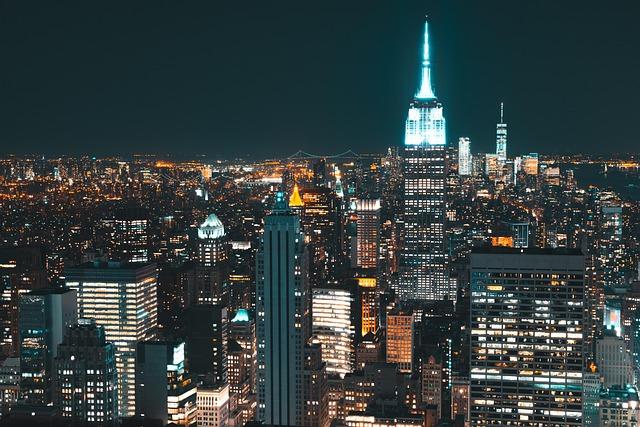
The Second City is set to open a new entertainment complex in New York City, the comedy institution announced, Deadline reports. The multi-use venue is intended to serve as a hub for live performances, training and special events, marking a strategic expansion of the Chicago-founded troupe into the nation’s largest media market. No opening date or financial details were immediately disclosed.
The Second City to Open NYC Entertainment Complex Featuring Improv Stages, Training Center and Late Night Programming
The Second City revealed plans to launch a multi-level entertainment complex in Manhattan, creating a permanent East Coast hub for its signature sketch and improvisational programming. Slated to blend nightly performances with an expanded curriculum, the site will feature flexible black-box stages, rehearsal studios and a dedicated training center designed to groom performers for both stage and screen – a strategic push to cultivate a continuous pipeline of talent and original shows for New York audiences.
Key highlights include:
- Three adaptable performance spaces with modular seating.
- Year-round training conservatory offering day and evening classes.
- Curated late-night series, guest residencies and tapings.
- On-site bar, community programming and youth outreach initiatives.
| Component | Detail |
|---|---|
| Performance Spaces | 3 (60-250 seats) |
| Training Rooms | 5 multi-purpose studios |
| Late-night Slots | Weekly curated programming |
Programming and Partnership Strategy: How Resident Ensembles, Touring Acts and Corporate Events Will Drive Foot Traffic
Resident ensembles will form the backbone of the new complex’s calendar, with daily house shows, recurring themed nights and education-driven matinees engineered to create reliable, repeat visitation. Executives tell Deadline the plan is to turn habitual attendance into broader on-site spend by pairing shows with timed dining experiences, tiered membership packages and crossover programming with the venue’s bar and retail partners. Strategic alliances with local arts institutions and universities are already being negotiated to supply both performers and steady weekday audiences, a move aimed at maintaining steady foot traffic outside typical weekend peaks.
Touring acts and corporate events are positioned as demand accelerants-booking headline comedians and curated touring series to create appointment-based visitation while selling weekday corporate buyouts to stabilize midweek revenue. The programming slate will be coordinated to alternate resident blocks with high-profile runs, maximizing seat turnover and encouraging discovery visits from new patrons. Key operational levers cited by insiders include dynamic pricing, promoter revenue-sharing and modular stage setups to switch quickly between comedy formats and branded activations.
- Weekly resident nights to build routine audiences
- Monthly touring showcases to attract new demographics
- Weekday corporate buyouts and private-brand events
- Community residencies and educational partnerships
| Event Type | Frequency | Avg. Draw |
|---|---|---|
| Resident Ensemble Night | Weekly | 200-350 |
| Touring Headliner | Monthly | 400-700 |
| Corporate Buyout | Weekdays (On Demand) | 150-500 |
Economic and Community Impact Assessed With Job Creation, Small Business Spillover and Recommendations for Local Engagement and Zoning Support
City officials and neighborhood leaders say the entertainment complex will be an immediate economic catalyst, with early estimates pointing to a mix of short-term construction jobs and a steady roster of full‑time positions in hospitality, operations and creative services. Local restaurateurs and retail owners around the site report an uptick in inquiries and lease interest tied to expected foot traffic, a pattern urban economists call “small business spillover.” Community benefit commitments negotiated during review meetings emphasize targeted hiring programs, apprenticeships with nearby vocational schools and priority contracting for local minority‑ and women‑owned businesses.
- Projected employment: dozens of permanent roles across front‑of‑house, technical, and administrative teams.
- Supply chain effects: increased demand for local catering, maintenance and merchandising vendors.
- Neighborhood pressure: potential for rising rents and need for rent‑stabilization dialogue.
Planners and advocates recommend immediate steps to lock community gains: require a local hiring plan with measurable targets, fund a small‑business resiliency grant to offset early rent shocks, and create a neighborhood advisory board to monitor impacts and zoning compliance. Zoning support should be coupled with enforceable community benefits-such as contribution to transit improvements and subsidized rehearsal space-to ensure the complex’s long‑term value is distributed beyond ticket sales. Transparency in reporting and a calendar of quarterly public meetings were suggested as practical mechanisms to keep stakeholders informed and responsive.
- Recommended policy tools: community benefit agreements, local‑first procurement clauses, and time‑bound impact reviews.
- Engagement tactics: job fairs, pop‑up markets for local vendors, and formal apprenticeships tied to construction and operations.
| Metric | Short‑Term | Long‑Term |
|---|---|---|
| Construction Jobs | 120-200 | – |
| Permanent Roles | – | 70-130 |
| Local Vendor Contracts | Increased inquiries | 10-25 recurring vendors |
Operational Recommendations for a Successful Launch and Sustainable Growth Prioritize Inclusive Casting, Transparent Ticketing and Robust Community Outreach
City officials and arts leaders say operational playbooks should prioritize equitable workforce development and clear consumer practices to avoid early reputational risks. Concrete steps include working with local talent incubators and unions to ensure hiring reflects the city’s demographics while instituting ticketing protocols that minimize surprise fees and guarantee accessible pricing tiers. Recommended actions observed by industry analysts include:
- Blind auditions & open casting calls in neighborhoods across boroughs
- Transparent pricing with fees disclosed up front and a visible low-cost tier
- Accessibility guarantees-captioning, relaxed house policies and dedicated seating blocks
Operators are urged to publish baseline metrics quarterly to track diversity in casting and ticket affordability as part of launch readiness.
For sustainable growth, sources recommend anchoring the complex in active community engagement and measurable impact reporting, rather than relying solely on tourist traffic. Early partnership commitments with schools, small businesses and cultural organizations can create a steady audience pipeline and mitigate cancellation risk; tactical outreach should be layered and evaluated against clear KPIs. Suggested outreach channels and indicators include:
- Local partnerships-school workshops, neighborhood showcases
- Community nights-pay-what-you-can performances and artist residencies
- Performance KPIs-retention rates, ticket accessibility index, neighborhood hiring percentage
Reporting these indicators publicly will both strengthen trust and provide a defensible roadmap for scaling programming across the first three years.
Future Outlook
The move marks a significant expansion for The Second City, bringing one of comedy’s most influential training grounds and performance brands into New York’s live-entertainment landscape. Industry observers say the project could strengthen the city’s comedy ecosystem by creating new stages for emerging talent and additional opportunities for classes, tours and special events.
Details on the complex’s programming, opening timeline and economic impact have yet to be fully disclosed; officials and company representatives say more information will be released in the coming weeks. Deadline will continue to monitor the story and will report updates as they become available.