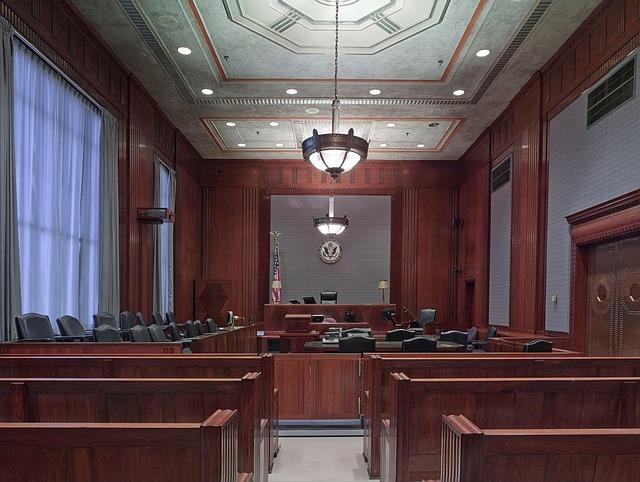
Huawei is facing a U.S. jury in a high-stakes case that, according to ICLG, accuses the Chinese technology giant of operating a sprawling, alleged 20-year criminal enterprise. Prosecutors say the indictment details a long-running pattern of illicit conduct – including fraud, theft of trade secrets and sanctions evasion – aimed at advancing the company’s commercial interests. Huawei has previously rejected such allegations, while the trial threatens to deepen scrutiny of the company and intensify tensions between Washington and Beijing over technology, security and global supply chains. Legal experts say the outcome could carry major consequences for corporate accountability and cross-border tech regulation.
Alleged Long-Running Criminal Enterprise at Heart of US Jury Trial as Prosecution Unveils Evidence and Cooperator Testimony
Federal prosecutors told the jury this week that documents, bank records and cooperation from a former insider together paint a portrait of an alleged, decades-long scheme by the telecommunications giant to subvert US sanctions, steal trade secrets and gain illicit commercial advantage. Witnesses called by the government are expected to trace a chain of transactions and communications dating back roughly 20 years, while the defence has signalled it will challenge the credibility of cooperator testimony and emphasise the absence of a corporate admission. Company spokespeople have reiterated that the charges are “allegations” and that Huawei will vigorously contest the government’s characterisation of its global business practices.
Key themes emerging from the opening phases include:
- Cooperator testimony: firsthand accounts of internal practices and transaction routing.
- Documentary trail: emails, invoices and ledger entries prosecutors say link Huawei to shell entities.
- Technology transfers: allegations that certain hires and projects facilitated the acquisition of sensitive know‑how.
- Defence strategy: challenges to witness credibility and arguments that routine commercial conduct is being criminalised.
Global Commercial and Diplomatic Repercussions Loom with Suppliers, Carriers and Regulators Reassessing Huawei Relationships
Global suppliers and network operators are quietly recalibrating ties as legal exposure and reputational risk ripple beyond courtroom doors. Sourcing teams at component manufacturers have opened emergency reviews of contracts and compliance certifications, while major carriers are interrogating firmware provenance and long‑term support clauses; senior industry sources warn this could accelerate a shift toward diversified vendors and increased on‑shoring of sensitive elements. Diplomatic channels have also started to influence commercial decisions, with some governments signaling stricter export controls and heightened scrutiny of 5G rollouts-creating a volatile mix of regulatory uncertainty and commercial hesitation.
Immediate responses documented by market watchers include operational freezes and elevated due‑diligence across ecosystems, prompting a series of predictable tactical moves:
- Suppliers: pause new orders and require additional compliance attestations;
- Carriers: initiate technical audits and contingency routing plans;
- Regulators: open formal probes and reassess certifications tied to national security.
Together these measures could compress supply chains, accelerate contract renegotiations and force rapid policy shifts-with consequential diplomatic aftershocks for countries dependent on integrated telecommunications infrastructure.
Defense Strategy and Litigation Risks Explored with Possible Asset Forfeiture, Sanctions Exposure and Corporate Criminal Liability
The defence team is expected to mount a multi‑front response, combining traditional evidentiary challenges with strategic corporate positioning to blunt prosecutorial claims of a long‑running criminal enterprise. Sources close to the matter say lawyers will foreground compliance programs, transactional record scrutiny and jurisdictional defenses while seeking to limit discovery that could expose senior executives. Key tactical options being weighed include:
- Aggressive evidence exclusion – attacking chain‑of‑custody and admissibility of intercepted communications;
- Cooperation and mitigation – negotiating conditional resolutions to avoid protracted trials and potential custodial outcomes for individuals;
- Structural and remedial fixes – publicising enhanced internal controls to counter arguments of corporate wilfulness.
Even with robust defences, legal analysts warn that the company faces acute litigation risks beyond criminal sentences, notably reputational erosion and operational disruption if parallel civil suits and regulatory probes proliferate.
Prosecutors’ dual threats of asset forfeiture and sanctions exposure could sharpen settlement pressures, as seized assets or OFAC‑style measures would inflict immediate business harm irrespective of criminal guilt. Corporate counsel are expected to press for narrow remedies, carve‑outs for non‑US operations and limited release language to shield third‑party partners; at the same time, potential corporate criminal liability remains a live risk if prosecutors prove systemic intent. A concise risk/defence snapshot provided by litigators outlines the stakes:
| Risk | Potential Defence |
|---|---|
| Asset forfeiture | Challenge nexus between proceeds and alleged offences |
| Sanctions exposure | Demonstrate compliance and lack of prohibited dealings |
| Corporate indictment | Show robust compliance, cooperation and remediation |
Prosecutors’ appetite for broad remedies, coupled with parallel civil litigation, means the outcome will hinge as much on negotiation dynamics as on courtroom proof.
Recommended Actions for Companies and Policymakers: Commission Independent Compliance Audits, Reinforce Contractual Safeguards and Isolate Sensitive Network Components
Corporate counsel and regulators are being urged to mandate independent compliance audits as a first-line remedy to recent allegations. Such reviews should be performed by qualified third parties with unfettered access to supply-chain documentation, firmware and software codebases, and cross-border data-flow records to verify adherence to export controls and national-security safeguards. Immediate actions for companies and policymakers include:
- Commission independent audits with public summaries of findings where national security allows
- Require corrective action plans and timelines tied to contractual milestones
- Strengthen contractual safeguards-clear termination rights, audit clauses, and warranty representations
- Mandate transparency around subcontractors and component provenance
These measures aim to create verifiable accountability and reduce the information asymmetry that fuels regulatory and public concern.
Separately, isolating critical network components must become standard practice: pragmatic steps-such as robust segmentation, hardware isolation for core infrastructure, and vendor diversification-can limit systemic exposure even where supplier behaviour is in question. Policymakers should set minimum technical baselines and enforceable certification requirements so that isolation is measurable and auditable. Key protective measures and their immediate benefits are summarised below:
| Measure | Primary Benefit |
|---|---|
| Network segmentation | Limits lateral movement |
| Vendor diversity | Reduces single-source risk |
| Hardware isolation | Protects critical assets |
Combined with contractual enforcement and independent verification, these steps create layered resilience that both companies and regulators can point to when defending critical communications infrastructure.
Closing Remarks
As the trial moves into its next phases, the outcome will be closely watched not only for its legal ramifications for Huawei but also for its wider implications for global technology supply chains and U.S.-China relations. Huawei has disputed the allegations, and both sides are expected to marshal expert testimony and evidence in the coming weeks.
Whatever the verdict, the case underscores the heightened scrutiny facing major technology firms and could set important precedents for how cross-border corporate conduct is prosecuted. Readers should look for further court updates as the jury proceedings continue and any appeals follow.