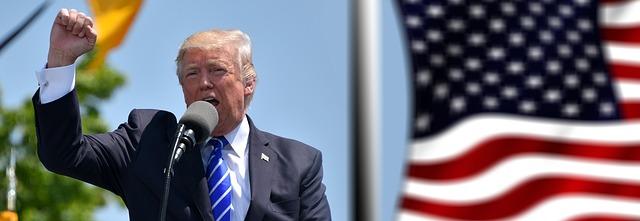
PBS’s succinct guide to the criminal cases against Donald Trump lays out, in plain terms, a complex web of prosecutions that span federal, state and local jurisdictions. The piece walks readers through the separate indictments and allegations – from handling classified materials and financial-records and “hush-money” matters to charges tied to efforts to overturn the 2020 presidential election – and explains how they differ and where they overlap.
With a crowded court calendar and high public stakes, the guide aims to clarify legal terminology, timelines and the potential consequences each case presents. For readers seeking a factual roadmap through ongoing proceedings that could shape both legal precedent and the political landscape, the PBS overview provides a step-by-step resource, including key dates, charges and what to watch next.
Overview of the Criminal Cases Against Donald Trump and the Central Allegations
Prosecutors across several jurisdictions have pursued separate criminal allegations tied to events before, during and after the 2016 and 2020 elections. The cases have focused on distinct conduct but often intersect in their political significance and legal complexity. Key accusations include:
- Manhattan (state) – alleged hush-money scheme and falsifying business records; convicted in April 2024 on state counts.
- Federal (Washington, D.C.) – alleged efforts to obstruct the 2020 transfer of power, including conspiracy and obstruction charges; indicted and litigated by Special Counsel.
- Federal (Florida) – alleged unlawful retention of classified materials and obstruction related to Mar-a-Lago documents; indicted and proceeding in federal court.
- Georgia (state) – alleged racketeering and solicitation to overturn the 2020 state results; indicted in Fulton County.
At a glance, the matters differ by legal theories, venue and procedural posture, and each carries its own evidentiary and constitutional questions for judges and juries to resolve:
| Jurisdiction | Lead Allegation | Status |
|---|---|---|
| New York (Manhattan) | Falsifying business records linked to alleged hush payments | Convicted (April 2024) |
| Federal (D.C.) | Conspiracy and obstruction related to 2020 election | Indicted; ongoing |
| Federal (Florida) | Unlawful retention of classified documents and obstruction | Indicted; ongoing |
| Georgia (Fulton County) | State racketeering and efforts to overturn state election results | Indicted; ongoing |
Prosecutors and Defense Legal Theories Evidence Trail and Likely Courtroom Showdowns
Prosecutors are advancing a layered narrative that ties actions to intent, emphasizing an evidence trail they describe as both documentary and electronic. Key exhibits identified in filings and grand jury disclosures include financial records, contemporaneous emails and text messages, witness testimony, and metadata from devices seized during the investigation. Observers note that prosecutors will lean on timelines and corroboration to connect disparate events into a coherent criminal theory; to that end they are expected to foreground:
- documented transactions and ledgers
- communications between co-conspirators
- forensic device logs and timestamps
Each element is framed to show pattern and knowledge, not just isolated acts, and filings suggest a concerted effort to make technical evidence accessible to a jury.
Defense teams, by contrast, are preparing a multipronged rebuttal that emphasizes alternate explanations, constitutional claims and challenges to admissibility, with frequent motions anticipated on scope and procedure. Their strategy appears to combine factual counter-narratives with legal front-line fights – attacking chain-of-custody, raising privilege and public-interest arguments, and seeking exclusions under rules governing hearsay and undue prejudice. Expected courtroom showdowns include disputes over witness immunity, classified-material handling, and the use of digital forensics; a simplified map of likely clash points is below:
| Issue | Likely Battleground |
|---|---|
| Privilege claims | In-camera review of documents |
| Digital evidence | Forensic methodology hearings |
| Impeachment material | Pretrial disclosure disputes |
These procedural contests, as much as the merits, are expected to shape trial timing and public perception.
Political and Institutional Consequences for the Election Cycle and How Voters Can Evaluate Competing Narratives
As the legal proceedings proceed, the campaign calendar is already feeling the effects: heightened voter mobilization, targeted fundraising appeals and recalibrated messaging from both parties. Political operatives and institutional leaders are responding to a landscape where court schedules intersect with primary deadlines, creating potential for compressed timelines and last‑minute legal rulings that can reshape debates and ballot access. Observers note emerging strains on norms around the Department of Justice and the judiciary as institutions adapt to high‑profile cases, while state election officials brace for logistical questions and information campaigns that may outpace routine election administration.
- Mobilization: Surges in turnout among base voters and donors.
- Institutional strain: Court dockets and DOJ precedents tested.
- Administrative impact: State election offices face new demand for clarity.
| Institutional effect | Short impact |
|---|---|
| Court backlog | Delay in final rulings |
| DOJ norms | Scrutiny of prosecutorial discretion |
| State boards | Increased public inquiries |
Voters confronted with competing narratives should prioritize verification over rhetoric: seek primary documents, time‑stamped filings and official statements rather than relying on social posts or partisan summaries. Evaluate claims against independent fact‑checks, local election administrators’ guidance and reporting from multiple mainstream outlets; pay attention to what the legal outcome does and does not change about ballot eligibility and the mechanics of voting. Practical steps include:
- Check primary sources: court dockets, official indictments, and transcripts.
- Cross‑reference: independent fact‑checks and multiple reputable newsrooms.
- Focus on impact: determine whether legal developments alter voting procedures or simply change campaign narratives.
Doing so helps separate immediate political spin from verifiable facts that matter to how people cast ballots and to the integrity of the electoral process.
Practical Steps for Journalists Citizens and Legal Observers to Track Developments Verify Records and Counter Misinformation
Track primary records first: prioritize court dockets, filings and clerk-certified documents over social posts; confirm PACER entries with local court portals and clerk’s offices and timestamp each source. Use a checklist to maintain sourcing discipline:
- Save PDFs of filings and stamp them with retrieval date
- Capture screenshots of official notices with URL and metadata
- Cross-check quotes against transcripts or sealed-docket indicators
For rapid verification, consult official press lists and use image-forensics and metadata tools before publishing visuals.
| Resource | Best use |
|---|---|
| PACER / Court Portal | Official dockets, filings |
| County Clerk | Certified records, calendars |
| FOIA Requests | Supplementary government records |
Counter misinformation with transparent sourcing and simple corrections: label unverified claims clearly, provide line-item sourcing for contested facts, and make corrections conspicuous and timely. Practical habits include:
- Share documents, not summaries when possible; link to the original filing
- Flag uncertainty-use language that signals what is confirmed vs. alleged
- Engage legal observers to verify courtroom context and preserve chain-of-custody for exhibits
Newsrooms, citizens and observers should coordinate a triage flow-document, verify, publish-so that public reporting reduces rumor amplification while preserving transparency and public trust.
In Summary
As the legal process unfolds, this guide has aimed to clarify the charges, the key evidence and arguments, and the procedural path ahead. The coming weeks and months will bring additional filings, hearings and likely appeals that could reshape each case – and that will be scrutinized closely by courts, lawyers and the public. For readers seeking the most current information, follow court dockets, official filings and ongoing PBS reporting, which will continue to update this overview as events develop. Ultimately, the outcomes will be determined in the courtroom and on appeal, and their broader political and institutional implications will be debated for years to come.