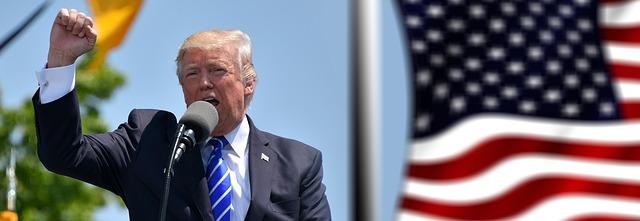
The Trump White House intervened to shut down a Justice Department criminal investigation into the circumstances surrounding a convicted fraudster’s clemency, The New York Times reported, a move that the paper says undercut career prosecutors’ efforts and raised fresh questions about political influence over presidential pardons. According to the Times, documents and interviews show that investigators who had been probing possible wrongdoing were ordered to stop, touching off criticism from legal experts and former officials who say the action blurred the lines between law enforcement and politics.
Trump Administration Intervened to End Criminal Investigation Into Clemency for Convicted Fraudster
Federal records show senior officials in the Trump White House stepped in to halt a Department of Justice criminal probe into executive clemency granted to a businessman convicted in a large fraud case, prompting questions about whether political considerations overrode prosecutorial independence. The intervention, described in contemporaneous emails and memos, included explicit directions to close investigative files and reassign prosecutors; witnesses told investigators the push came from the highest levels of the administration. Key actions identified in the documents include:
- Directive to terminate open investigative steps and freeze grand jury activity;
- Reassignment of lead prosecutors away from the matter;
- Limitations placed on access to records by career investigators.
Legal analysts and oversight officials say the episode underscores broader concerns about accountability when clemency decisions intersect with political allies, and several congressional committees have sought testimony and papers to determine whether the closure amounted to improper influence. A concise summary of the timeline and actors is shown below for context:
| Actor | Action | Approx. Date |
|---|---|---|
| White House Counsel | Requested probe be ended | Mar 2020 |
| DOJ Leadership | Ordered case closed | Apr 2020 |
| Congress | Subpoenaed documents | 2021 |
Internal Documents Reveal Timeline, Key Officials and Pressure Points in the Decision to Close the Probe
The newly disclosed packet of internal emails, memoranda and calendar entries paints a compressed timeline in which a longstanding criminal investigation was quietly curtailed. According to the documents, career prosecutors repeatedly flagged evidence and sought grand jury time, while senior Justice Department officials logged conversations with White House aides that preceded a sudden shift in the probe’s posture. The files show decisions accelerating in the weeks after a clemency petition surfaced, with a pattern of short, successive meetings and draft memos that were never finalized – a sequence that, officials say, transformed prosecutorial momentum into administrative inertia.
Reviewers of the material identified several clear pressure points that coincided with the change in direction: direct outreach from outside allies, expedited legal analyses that compressed review windows, and repeated inquiries about political implications. Key items highlighted in the documents include:
- Rapid email chains tying high-level political offices to case status updates;
- One-day staff briefings that displaced substantive evidentiary work;
- Legal advisories reworded under time pressure and circulated without full prosecutorial sign-off.
| Date | Actor | Outcome |
|---|---|---|
| Early Jan | Career prosecutors | Evidence compiled |
| Mid Jan | Senior DOJ official | Briefings with White House |
| Late Jan | Political aides | Probe de-prioritized |
Closure Sparks Concerns Over Political Influence at the Justice Department and Erosion of Prosecutorial Independence
Federal prosecutors abruptly closed an inquiry into a clemency application linked to a convicted fraudster, according to reporting that has reignited debate over the Justice Department’s independence. Internal records and interviews cited by The New York Times suggest that the decision followed unusual high-level involvement, prompting critics to warn of political influence shaping prosecutorial priorities. Justice Department officials defended the closure as the result of routine case assessment, but former prosecutors and watchdogs say the episode raises questions about whether legal judgements were subordinated to political considerations.
- • Erosion of public confidence in fair enforcement
- • Potential chilling effect on career prosecutors who resist outside pressure
- • Increased calls for congressional oversight and transparency
- • Risk of creating precedent for selective application of justice
| Actor | Role |
|---|---|
| Career prosecutors | Conducted the investigation |
| Senior Justice officials | Approved closure |
| Oversight bodies | Calling for review |
The fallout has prompted renewed attention from lawmakers and transparency advocates who argue that even the appearance of intervention undermines the department’s mission to apply the law impartially. Calls for independent review are mounting as legal experts outline how such interventions, if left unchecked, could reshape prosecutorial norms – from charging decisions to plea negotiations – and leave long-term damage to institutional integrity and rule-of-law safeguards.
Legal Experts Urge Congressional Hearings, Independent Inspector General Review and Mandatory Transparency Reforms
Legal scholars and former prosecutors say the disclosure that career investigators were ordered to abandon a criminal inquiry into a clemency recipient demands an immediate and public accounting. They argue that only congressional hearings can compel sworn testimony from administration officials and Justice Department decision-makers, while an independent inspector general review would evaluate whether internal rules or political pressure short-circuited normal prosecutorial procedures. Observers warn that without swift, enforceable remedies the episode risks entrenching a precedent in which clemency decisions are insulated from criminal review and transparency, undermining public trust in the rule of law.
Advocates call for a package of reforms to restore procedural integrity and create clear, auditable records of pardon and commutation processes; proposals gaining traction include:
- Mandatory public disclosure of exonerating evidence and rationales for clemency decisions (with limited privacy exceptions).
- Statutory deadlines for inspector general inquiries into closed investigations affecting pardons.
- Congressional subpoena authority expanded to compel internal DOJ communications about clemency cases.
| Reform | Projected Impact |
|---|---|
| IG Review Mandate | Independent factual record within 90 days |
| Public Transparency Rules | Increased accountability, reduced secrecy |
| Congressional Hearings | Sworn testimony; possible legislative fixes |
In Retrospect
The abrupt closure of the criminal inquiry into the fraudster’s clemency has intensified questions about the boundaries between political influence and the impartial administration of justice. With few public explanations from the Trump administration or the Justice Department, legal experts and civil‑rights advocates say the episode underscores long‑standing concerns about transparency and accountability in high‑stakes clemency decisions. Congressional oversight and watchdog groups are likely to press for answers as the matter unfolds. The New York Times will continue to monitor developments and report on any new disclosures, investigations or policy changes arising from the case.