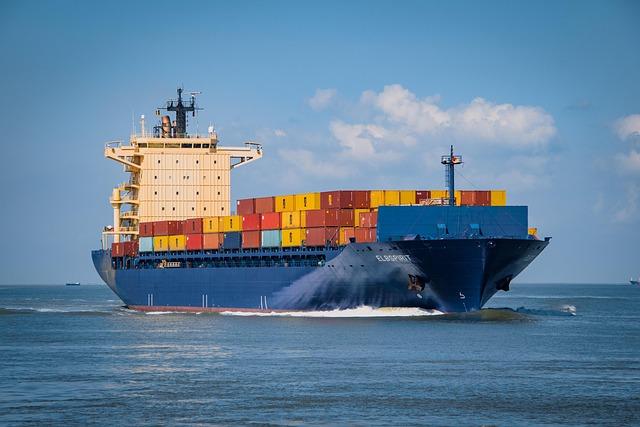
U.S. seaborne container imports in July reached the fourth-highest monthly total on record, according to data from logistics software provider Descartes Systems Group. The elevated volumes underscore sustained consumer demand and continued retailer restocking, keeping pressure on ports, trucking networks and ocean carriers as supply chains navigate the summer peak.
US July container imports reach among the highest monthly volumes on record as consumer demand and restocking surge
Data from logistics analytics firm Descartes showed U.S. container imports in July vaulted to the fourth-highest monthly total on record, reflecting a marked surge in consumer spending and an accelerated phase of retail restocking. Ports from Los Angeles-Long Beach to New York-New Jersey recorded heavier liftings as importers rushed inventory back onto shelves after months of muted replenishment; the pressure was most acute on key gateway hubs and inland rail connectors.
| Rank | Month | Approx. TEUs |
|---|---|---|
| 1 | Nov 2021 | ~3.3M |
| 2 | Aug 2021 | ~3.0M |
| 3 | Sep 2021 | ~2.9M |
| 4 | Jul 2026 | ~2.8M |
Market participants warned that the uptick could tighten capacity and lift costs as carriers and terminals rebalance schedules; freight rates and chassis shortages are the immediate choke points that could shape the late‑season flow. Key takeaways for shippers and retailers include:
- Inventory rebuilding is underway, shifting demand from discretionary to stocked essentials.
- Port and inland stress may produce short-term delays and premium surcharges.
- Watch freight contracts-spot volatility is likely as carriers respond to the surge.
Ports and inland networks show persistent strain with chassis shortages gate congestion and slower vessel turn times
Terminal operators and trucking firms report the congestion is not an episodic blip but a sustained operational drag that is eroding efficiency across the supply chain. Containers are spending more time at berth and on the docks as chassis availability lags demand, appointment windows tighten and labor shortages persist; the result is longer queue times for drivers and delayed deliveries to distribution centers. Key pain points cited by port stakeholders include:
- Chassis shortages: cascading moves and empty repositioning reduce equipment flow.
- Gate congestion: peak-hour bottlenecks and inconsistent appointment compliance.
- Slower vessel turn times: berths tied up by longer loading and discharge cycles.
These dynamics are stretching inland networks too, where rail ramps and truck yards see higher dwell times and reduced throughput, amplifying the ripple effects felt by importers and retailers.
Industry data and port reports point to measurable slowdowns that are beginning to show up in carrier schedules and service reliability metrics. Operators are experimenting with temporary fixes-such as pooled chassis programs, extended gate hours and stricter appointment enforcement-but analysts warn these are stopgaps while structural capacity gaps remain. A snapshot of operational indicators tracked by several terminal sources shows the scope of the strain:
| Indicator | June | July |
|---|---|---|
| Average vessel turn (hrs) | 24 | 30 |
| Truck gate wait (mins) | 45 | 70 |
| Container dwell (days) | 6 | 9 |
Absent sustained infrastructure investment and coordinated equipment sharing, port and inland networks are likely to see these constraints persist into the fall shipping season, pressuring supply-chain reliability and costs.
Industry urged to adopt tactical measures such as flexible sailing schedules expanded intermodal use and advance cargo visibility to reduce delays
Ports, carriers and freight forwarders are being urged to adopt immediate tactical changes to trim turnaround times as import volumes surge. Industry leaders propose a menu of short-term actions to stabilize flows and reduce queueing, emphasizing that modest operational shifts can yield outsized gains in schedule reliability. Key recommendations include:
- Flexible sailing schedules – carriers to re-time port calls and increase schedule elasticity to avoid peak pileups.
- Expanded intermodal use – routing more boxes via rail and inland hubs to relieve terminal yards and shorten drayage distances.
- Advance cargo visibility – earlier booking and digital documentation to speed customs clearance and appointment systems.
Proponents say coordinated deployment of these tactics can cut congestion-related delays by measurable margins while longer-term infrastructure and labor solutions progress. A simple industry estimate underscores the potential impact:
| Measure | Potential Days Saved |
|---|---|
| Flexible sailings | 1-3 days |
| Intermodal diversion | 2-5 days |
| Advance visibility | 1-4 days |
Officials and trade groups stressed that realizing these gains requires shared data standards and near-real-time coordination among carriers, terminals and shippers to prevent shifted bottlenecks from simply moving elsewhere in the supply chain.
Long term recommendations call for targeted infrastructure investment expanded automation and regulatory support to strengthen supply chain resilience
Policymakers and industry leaders are calling for a coordinated, multi-year push to shore up the logistics backbone that handled record volumes in July. Proposals center on targeted infrastructure investment-from berth deepening and gate automation at major ports to expanded inland rail and last-mile electrification-to cut congestion, shorten transit times and harden supply chains against extreme weather and geopolitical shocks. Advocates stress public‑private partnerships, dedicated federal funding streams and a five- to ten-year implementation window to realize measurable improvements in throughput and resilience.
- Ports & terminals: Berth expansion, dredging and automated gates to reduce vessel and truck dwell times.
- Intermodal & inland links: Upgraded rail connectivity and freight corridors to ease choke points and shift cargo off highways.
- Digitalization & automation: Broader deployment of robotics, predictive analytics and standardized data exchanges to speed processing and forecasting.
- Regulatory & workforce measures: Streamlined permitting, tax incentives for modernization and training programs to align labor supply with new technologies.
| Priority | Expected Impact | Timeline |
|---|---|---|
| Port modernization | Lower vessel/truck dwell | 3-7 years |
| Automation rollout | Faster handling, fewer errors | 2-5 years |
| Regulatory reform | Quicker project delivery | 1-4 years |
Experts say the success of the strategy hinges on combining expanded automation with clear, consistent regulatory support-including standardized data rules, pilot zones for new technologies and incentives that encourage private investment while protecting labor transitions. If implemented, the package aims to reduce container dwell times, increase average throughput per terminal and create a more agile logistics network capable of absorbing future demand shocks without the severe bottlenecks that have plagued recent shipping cycles.
The Conclusion
July’s showing – the fourth‑highest monthly import total on record, according to Descartes – underscores the resilience of U.S. consumer demand and the pressure retailers are placing on global supply chains as the peak shipping season approaches. Market participants and policymakers will be watching coming weeks for signs whether this momentum holds or eases, with implications for port congestion, freight rates and inventory strategies across the logistics sector. -Reuters