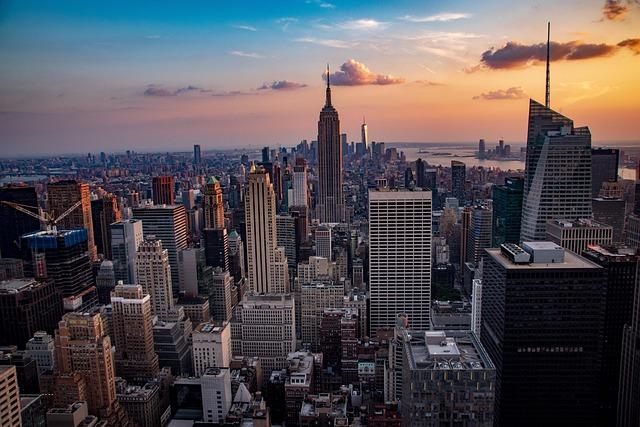
As the confetti settles and stadium lights go dark, New York is left weighing the scorecard from the World Cup – and the verdict is anything but clear-cut. The event drove spikes in hotel bookings, restaurant reservations and global attention, delivering a short-term windfall for many hospitality and retail businesses. But city officials and community leaders warn that those gains were offset by steep public expenditures on security, traffic disruptions and uneven benefits across neighborhoods. With economists, small-business owners and civic groups still parsing the numbers, the debate over whether the tournament was a boon or a bust for New York underscores a familiar tension: high-profile sporting events can deliver immediate gains, but the long-term payoff remains contested.
Economic impact and fiscal reality Revenue gains, hidden costs and steps city leaders must take to ensure long term net benefit
City accountants and independent analysts alike point to measurable upticks in tourism, hotel occupancy and sales-tax receipts, translating into municipal coffers seeing incremental inflows in the low hundreds of millions of dollars during the event window. Those gains were concentrated in hospitality, retail and broadcast-related economic activity, but officials caution the headline numbers mask nuance. Key revenue channels included:
- Hotel and occupancy taxes
- Sales taxes from restaurants and retail
- Fees from permits and vendor concessions
- Short-term hiring and gig economy payrolls
While the boost provided a welcome shot to near-term balances, finance directors note that timing, one-off nature of spending and the fungibility of discretionary budgets mean the windfall is not a permanent new revenue stream.
Behind the receipts sits a ledger of hidden costs-overtime for public safety, accelerated wear on transit infrastructure, temporary displacement of regular commerce and deferred maintenance funded by event budgets-that can erode net benefit unless addressed. To translate the boost into sustainable value, city leaders must adopt hard fiscal safeguards and legacy investment policies:
| Area | Short-term gain | Long-term action |
|---|---|---|
| Transit | Farebox & ridership surge | Ring-fence funds for repairs |
| Public safety | Increased overtime charges | Independent audit & reimbursement clauses |
| Neighborhoods | Pop-up commerce | Community benefit agreements |
- Mandate independent post-event audits to reveal true net fiscal impact.
- Set aside a share of event revenue for maintenance and legacy projects rather than one-off spending.
- Use performance-based contracts and enforce vendor obligations to limit hidden subsidies.
The bottom line for policymakers: headline revenue numbers can be real, but only disciplined fiscal policy and transparent accounting will determine whether the event becomes a lasting asset or a short-lived fiscal illusion.
Transit failures and crowd control breakdowns Concrete fixes for MTA coordination, staffing and real time communication at future events
When the tournament drew crowds far beyond normal weekend volumes, trains stalled, platforms surged and commuter confidence frayed – a breakdown that exposed weak incident command and patchy real‑time messaging from transit operators. Riders described jammed mezzanines, buses rerouted without notice and social feeds filled with reports of travelers left stranded for hours; independent reviewers flagged understaffed platforms, delayed dispatch decisions and inconsistent agency-to-agency coordination as root causes. Concrete, near-term remedies include:
- Unified incident command: a single, pre-designated lead for multi-agency responses to avoid mixed directives.
- Surge staffing rosters: mandatory standby crews paid for rapid deployment at announced major events.
- Real-time rider alerts: automated cross-platform push notifications, station screens and SMS for service changes and evacuation routes.
- Dedicated crowd managers: trained personnel at choke points with authority to open/close gates and direct flows.
Policymakers and transit executives agree fixes must be measurable, assigned and rehearsed; otherwise the next large event risks repeating this summer’s chaos. A compact implementation matrix – assigning accountability, expected deliverables and short timelines – would make progress auditable and public confidence recoverable:
| Action | Lead | Quick win (90 days) |
|---|---|---|
| Operational command protocol | MTA & NYC OEM | Signed SOP |
| Surge staffing pool | MTA HR | Roster + pay policy |
| Integrated rider alerts | MTA Communications | Cross-platform pilot |
Execution, transparency and regular public drills – not just promises – will determine whether future events are managed as a public asset or a public disruption.
Small business and tourism fallout Permitting reform, targeted relief and marketing strategies to protect neighborhood economies
Neighborhood merchants say the event left a jagged economic afterimage: pockets of brisk sales amid a wider pattern of stalled recovery. While main corridors logged surges in foot traffic, many small operators-especially dive bars, independent retailers and community arts spaces-reported missed bookings, steep temporary rents and logistical headaches from last‑minute street closures. Local owners described a split picture: short, intense spikes for some and prolonged disruption for others, with the most vulnerable losing staff or shuttering for weeks. Data from city inspections and business calls indicate uneven distribution of benefits across boroughs and types of businesses:
- Retail and souvenir stands: high one‑time receipts, limited repeat customers
- Neighborhood restaurants: canceled reservations during construction windows
- Small hotels and B&Bs: concentrated bookings in a few districts only
City officials are now weighing a three‑part remedy: streamlined permitting to prevent last‑minute closures, targeted relief such as fee waivers and microgrants for severely affected storefronts, and localized marketing designed to sustain neighborhood traffic after headline events. Proposed measures in play include fast‑track temporary‑use permits, a short emergency relief fund for payroll and rent, and co‑op marketing campaigns that spotlight blocks and cultural venues rather than only anchor attractions. Early pilot programs-summarized below-aim to balance quick fixes with structural reform.
| Action | Short‑term Effect | Goal |
|---|---|---|
| Fast‑track permits | Reduce closures | Keep storefronts open |
| Microgrants | Payroll relief | Prevent layoffs |
| Neighborhood marketing | Boost repeat visits | Spread tourism benefit |
Public safety and community equity The case for binding community benefit agreements, transparent oversight and measurable legacy commitments
As New York evaluates the net impact of hosting World Cup events, debates over public safety and community equity have moved from abstract rhetoric to concrete demands for accountability. Promises of enhanced policing, improved transit security and economic uplift were often made without legally enforceable terms; in several neighborhoods residents report heavier enforcement and little in the way of lasting investment. That gap has renewed calls for binding community benefit agreements that turn goodwill into obligations, and for transparent oversight mechanisms that publish policing plans, budget allocations and contract awards in real time. Journalistic review of post-event audits suggests that without contractual teeth, many legacy commitments-affordable housing contributions, small-business grants and youth programs-risk evaporation once headlines fade.
City leaders and community groups are now outlining practical guardrails to prevent that outcome:
- Enforceable timelines tied to milestone payments and public reporting;
- Independent oversight boards with community-majority representation and subpoena power;
- Clear metrics for safety, displacement, jobs and small-business retention with quarterly audits;
- Transparent funding dashboards showing where legacy dollars are spent and who benefits.
Taken together, these steps would shift the debate from whether the World Cup was a boon or bust to whether New York can convert short-term spectacle into long-term, measurable gains-especially for neighborhoods that bore the greatest disruptions.
Key Takeaways
As New York tallies receipts, repairs and resident reactions in the weeks and months ahead, the World Cup’s legacy will likely be measured less by a single headline than by a series of incremental outcomes: tax revenue flows, small-business recovery, lasting infrastructure use and the city’s ability to address displacement and maintenance costs. For supporters, the tournament brought global attention and a welcome short-term economic jolt; for critics, it underscored persistent questions about who truly benefits from marquee events. With independent audits and civic oversight still to come, officials and community leaders say the full picture won’t be clear for years – leaving New Yorkers to weigh a complicated verdict: a boost in some quarters, a burden in others, and a lesson in the high stakes of hosting the world.