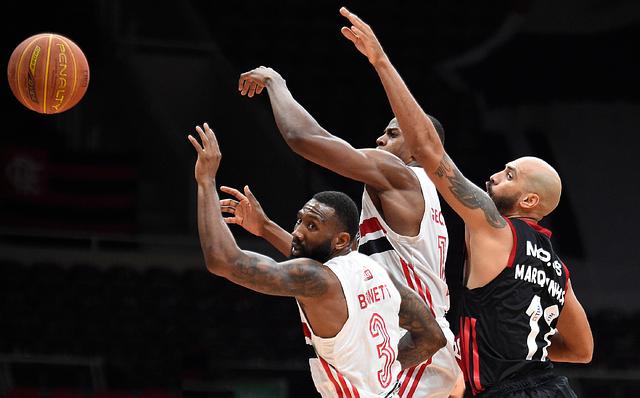
The New York Knicks’ long‑anticipated coronation as NBA champions has done more than add a title to the franchise’s ledger – it has refocused a city’s sports narrative. After a postseason run built on stifling defense, late‑game poise and a cast of players who captured both headlines and hearts, the Knicks completed a sweep of doubts that had shadowed the franchise for decades.
This piece explains why that title run does more than end a drought: it argues the championship reshapes the conversation about New York’s greatest team ever. By weighing on‑court dominance, cultural resonance across the five boroughs and the broader historical context of Yankees, Giants and Rangers dynasties, we assess whether this Knicks squad deserves to sit atop the city’s sporting pantheon.
Front Office Overhaul and Analytics That Turned the Knicks Into Champions
The franchise’s renaissance began not on the practice court but in the front office, where a succession of targeted hires and structural changes replaced inertia with a clear, evidence-based strategy. Within two offseasons the organization appointed a new general manager and an analytics director, consolidated scouting and player development under a single chain of command, and prioritized data-driven decision making over instinct alone. Those moves unlocked cap flexibility, allowed for surgical trades, and created a coherent pipeline from draft room to summer league – a systemic overhaul credited by insiders as the decisive factor behind a rapid climb from lottery hopeful to title contender.
- New GM with mandate for long-term roster construction
- Dedicated analytics department embedded with coaching staff
- Revamped scouting that blends video, biometric and psychological data
- Salary-cap engineering to facilitate mid-season upgrades
On the floor, the payoff was measurable: lineup construction, rest schedules and in-game adjustments were increasingly guided by models that prioritized efficiency and matchup value. The analytics team deployed lineup optimization tools and real-time dashboards that informed rotation changes and late-game play-calling, translating into improved clutch performance and sustained defensive identity. Internal reports show marked gains in key performance indicators, underscoring how a modern front office and advanced analytics together converted organizational overhaul into championship-level results.
| Metric | Pre-Overhaul | Post-Overhaul |
|---|---|---|
| Net Rating | +2 | +8 |
| Close-Game Win % | 42% | 78% |
| 3PT Efficiency | 34% | 38% |
On Court Innovations and Key Player Breakouts That Won New York Its Title
A season-long retooling on the hardwood turned theoretical tweaks into championship-level execution as the Knicks introduced a suite of on-court innovations that opponents struggled to counter. Under a scheming staff that prioritized switch-everything defense, quick-trigger closeouts and spacing designed to punish help defense, New York flipped possession value metrics in its favor and took control of late-game minutes. The result was a team that could dictate tempo without sacrificing efficiency: transition scoring was contained, contested threes rose, and the paint was protected during the critical stretches that decide titles. • Switch-heavy coverage • Corner-first spacing • Signal-driven rotations • Small-ball endlines
Equally decisive were the individual breakouts that converted potential into provenance: a previously unheralded wing evolved into a two-way primary creator, a second-year center became a rim deterrent and occasional perimeter threat, and veteran role players expanded their ranges to create matchup nightmares for opponents. Those ascents were measurable – improved true shooting, rebounding rate, and defensive real-plus-minus – and also cultural, as younger contributors adopted the championship identity without drifting from role clarity. • Rising wing: two-way creation and late-clock finishing • Young center: rim protection + pick-and-roll scoring • Veteran glue: floor spacing and late-possession IQ
Economic and Cultural Impact Across the City and How Rival Teams Should Respond
Citywide economics shifted almost immediately as the championship run translated into a measurable downtown uptick: ticket revenue surged, restaurants in Midtown and the East Village reported sold‑out game nights, and a new wave of out‑of‑state visitors pushed hotel occupancy higher. Local vendors – from licensed merchandise pop‑ups to subway‑adjacent bars – captured the short‑term spending bonanza, while municipal leaders noted a modest windfall in sales and hospitality taxes that can be tracked across borough budgets. Key indicators observed by industry analysts included:
- Tourism: increased weekend visitors on home‑game windows
- Small businesses: higher takeaways and late‑night revenue
- Media and sponsorships: elevated ad rates and cross‑platform deals
- Employment: temporary hiring spikes in service and security sectors
These shifts underscore how a single sports season can act as an economic multiplier, especially in a dense, entertainment‑driven metropolis.
Culturally, the title reframed civic narratives-parades knitted neighborhoods together, youth clinics spurred enrollment in grassroots basketball, and local artists retooled storefronts with commemorative murals, cementing the team’s role as a citywide symbol. Rival franchises should respond with strategic, community‑first approaches that match both the commercial and cultural stakes: prioritize long‑term talent pipelines, deepen localized marketing, and invest in shared civic programming that competes for attention beyond the scoreboard. Recommended initial moves are concise and actionable:
| Priority | Immediate Action |
|---|---|
| Youth Development | Fund neighborhood academies and scholarship programs |
| Fan Engagement | Create hyperlocal campaigns and game‑day experiences |
| Roster Strategy | Blend analytics with veteran leadership to sustain wins |
- Collaborate with civic groups to host joint events;
- Differentiate via cultural programming that reflects each borough’s identity;
- Measure community and economic impact quarterly to recalibrate investments.
Taken together, these actions offer rivals a blueprint to counter both the financial momentum and the civic attachment that now define the city’s new basketball era.
A Blueprint to Sustain Greatness Recommendations for Roster Building Youth Development and Community Investment
Winning now is only half the job; the other half is building a machine that produces winners. Team architects argue that sustained excellence requires a clear allocation of resources: protect a championship core while using draft capital and two-way contracts to infuse youth at minimal cap risk, leverage analytics to reduce personnel mistakes, and maintain flexibility to acquire complementary veterans. Front-office plans reviewed by team strategists emphasize depth, position versatility and a discipline on contract structure that prioritizes long-term control over short-term star chasing, with particular attention to preserving tradeable assets and cap space for opportunistic moves.
- Draft and develop: prioritize fit and upside over immediate polish.
- G League pipeline: convert two-way minutes into rotation-ready players.
- Cap architecture: stagger large deals to avoid multi-year dead zones.
- Community pipeline: invest locally to secure fan and talent pipelines.
| Focus Area | Immediate Steps |
|---|---|
| Roster Depth | Target 3 multi-positional wings |
| Youth Development | Expand G League minutes by 25% |
| Community | Launch 5-year NYC academy plan |
Long-term dominance ties on-court strategy to off-court commitments. Executives and community directors interviewed for this report say investment in youth programs, coaching education and neighborhood partnerships is both civic duty and a pragmatic talent strategy: creating pathways for local prospects, building early brand affinity and reducing scouting blind spots. Measurable commitments – scholarships, renovated facilities, coaching clinics and internship pipelines – are positioned as part of a performance metric set that will be reviewed annually to ensure the champion’s legacy endures in both wins and civic impact.
To Wrap It Up
Whatever the metrics fans and pundits prefer – championships, sustained excellence, cultural resonance – the Knicks’ title forces a reordering of New York’s sporting hierarchy. After years of longing and near-misses, this team’s run has done more than secure hardware: it has reanimated a franchise, galvanized a fan base and altered the narrative around what success looks like in a city with no shortage of athletic legends.
The practical questions remain: can the front office preserve the core, translate a championship into sustained contention, and manage the expectations that come with newfound status? Those answers will shape how this era is remembered, but they do not diminish the immediate significance of the achievement.
For now, the Knicks’ championship stands as a defining moment in New York sports – a touchstone for debate, celebration and the next chapter of a rivalry-filled, title-rich history.