
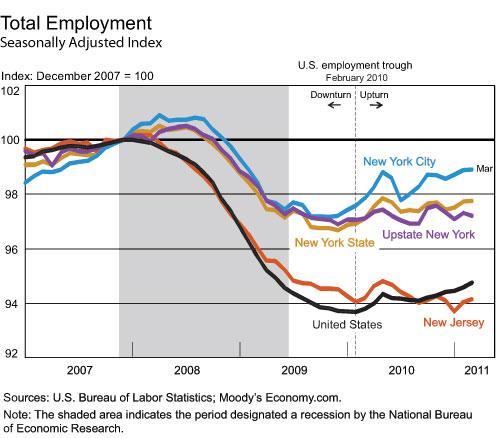
As signs of economic strain ripple across the United States,many Americans are left wondering if the country is slipping into a recession. Though, a leading economist suggests that the experience of financial hardship may depend heavily on geographic location. In a recent analysis highlighted by USA Today, disparities in local economies reveal that while some regions face severe downturns, others continue to show resilience. This uneven economic landscape challenges the notion of a uniform recession and underscores the importance of examining economic trends at the community level.
Economic disparities across regions fuel differing recession experiences
Economic conditions vary significantly across the United States, creating a patchwork of financial realities that shape how communities experience economic downturns. Regions with a heavy reliance on industries like manufacturing, energy, or tourism have faced sharper contractions as these sectors react differently to external shocks such as supply chain disruptions or shifts in consumer demand. In contrast, tech hubs and financial centers have often shown more resilience, buoyed by digital transformation and remote work trends.Such disparities mean that even within a single state, one city might be grappling with recessionary pressures while another enjoys relative economic stability.
Several key factors contribute to these divergent experiences, including:
- Employment diversity: Areas dependent on a narrow set of industries are more vulnerable to downturns.
- Income levels: Higher median incomes can cushion local economies against sudden shocks.
- Access to capital: Regions with more robust investment opportunities can sustain businesses through tough cycles.
| Region | Dominant Sector | Recession Impact |
|---|---|---|
| Rust Belt | Manufacturing | High |
| Silicon Valley | Technology | Low |
| Sun Belt | Tourism | Moderate to High |
Local job markets and housing costs shape personal financial outlooks
Across the country, the everyday financial experience of Americans is far from uniform. Economists highlight how job availability and housing affordability in specific locales significantly color individuals’ perceptions of the broader economic climate. In areas suffering from stagnant job growth or industries in decline, workers often face wage freezes or layoffs that fuel a sense of recession, even if nationwide indicators suggest otherwise. Meanwhile, soaring rent and home prices in metropolitan hubs can leave residents feeling financially squeezed, intensifying concerns over personal economic stability.
These regional economic dynamics are often intertwined,creating diverse financial realities. For example, some cities may boast strong employment numbers but struggle with hyperinflated housing costs, while others offer affordable living but limited career opportunities. The data below captures this disparity in metropolitan areas:
| City | Job Growth Rate | Median Rent Increase (Year-over-Year) | Perceived Financial Stress |
|---|---|---|---|
| Seattle | 4.1% | 12% | High |
| Detroit | 1.5% | 3% | Moderate |
| Austin | 5.0% | 15% | High |
| Cleveland | 0.8% | 1% | Low |
- High job growth doesn’t necessarily alleviate cost pressures.
- Areas with lower rent often see less economic optimism due to fewer opportunities.
- Personal financial outlook depends as much on location as on national trends.
How policymakers can address uneven economic slowdowns
Policymakers face the challenge of tailoring strategies to local realities rather than relying on uniform national policies. Recognizing that economic slowdowns do not impact all regions equally, targeted investments in infrastructure and workforce development can empower areas hit hardest. Boosting community-specific support-such as expanding access to credit for small businesses and incentivizing industries aligned with local strengths-can foster resilience and mitigate the ripple effects of localized downturns.
Implementing adaptive policy tools, such as regional relief funds and flexible unemployment benefits, also plays a critical role. These measures can be integrated through:
- Data-driven assessment: Utilizing granular economic data to identify hotspots
- Collaboration: Partnering with local governments and businesses to customize solutions
- Monitoring frameworks: Setting up robust feedback loops to adjust interventions quickly
| Policy Approach | Key Benefit | Example Region |
|---|---|---|
| Targeted Infrastructure Spending | Job creation & improved connectivity | Rust Belt Cities |
| Workforce Reskilling Programs | Enhanced employability in new sectors | Midwestern Manufacturing Areas |
| Flexible Unemployment Benefits | Responsive support aligned with downturn severity | Sunbelt States |
Practical steps residents can take to safeguard their finances
In times of localized economic downturns,residents can take several immediate actions to protect their personal finances from further strain. Start by tracking monthly expenses diligently, identifying any discretionary spending that can be reduced or eliminated. Prioritizing needs over wants can help stretch limited budgets.Building or maintaining an emergency fund-ideally covering three to six months of essential expenses-remains a critical buffer against unexpected job losses or reduced income.
Additionally, consider strengthening financial resilience by diversifying income sources. This might include taking on freelance or part-time work, or monetizing skills within the community. Communicating with creditors proactively to negotiate payment plans or lower interest rates can also prevent defaults. Below is a concise checklist to kickstart financial safeguarding efforts:
- Review and adjust monthly budget
- Build or replenish emergency savings
- Explore additional income opportunities
- Contact creditors to discuss payment options
- Limit new debt acquisition
- Stay informed about local economic aid programs
| Action | Benefit | Timeframe |
|---|---|---|
| Budget adjustment | Improved cash flow | Immediate |
| Emergency fund boost | Financial security | 3-6 months |
| Extra income streams | Income stability | Ongoing |
| Creditor outreach | Prevent penalties | As needed |
In Retrospect
As economic conditions continue to vary significantly across regions, experts emphasize the importance of localized analysis when assessing financial wellbeing. While some areas may face recession-like challenges, others could experience stability or growth.Understanding these disparities helps policymakers tailor responses and informs citizens about how broader economic trends truly impact their communities. For individuals feeling the strain, the outlook depends largely on where they live-and the policies enacted there to support recovery.