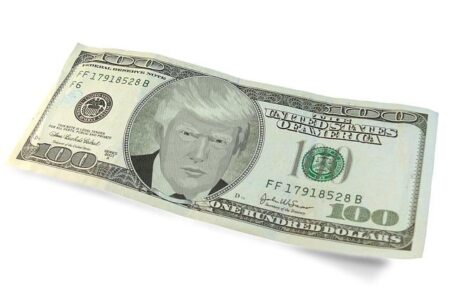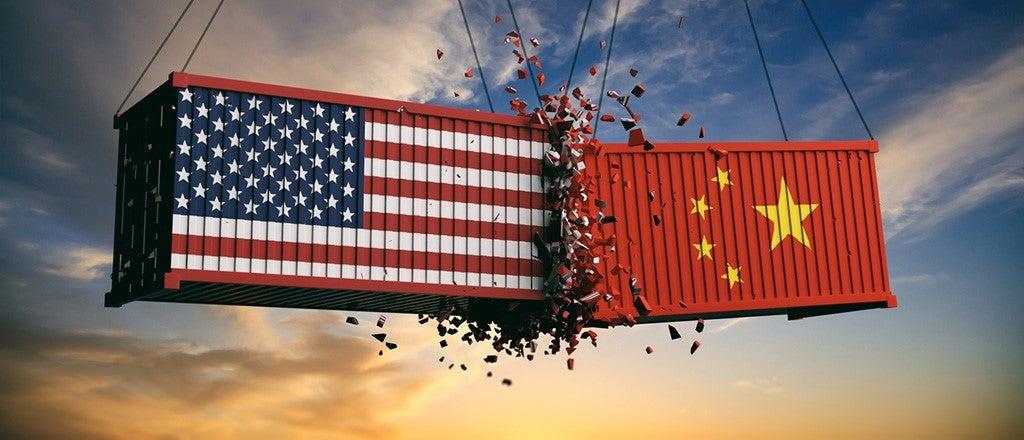
In a decisive escalation of the ongoing trade conflict, the United States has implemented a series of staggering tariffs targeting a broad range of imported goods. This latest move, announced under the administration of President Donald Trump, signals a widening of the trade war that has already disrupted global markets and prompted retaliatory measures from key trading partners.As tensions intensify, businesses and consumers on both sides brace for the economic repercussions of an increasingly protectionist U.S. stance.
Staggering U.S. Tariffs Trigger Global Market Uncertainty
The recent imposition of sweeping tariffs by the United States has sent shockwaves through international markets, escalating tensions far beyond bilateral trade concerns. As duties on steel,aluminum,and a range of consumer goods take effect,global investors are recalibrating risk,triggering volatility in stock exchanges worldwide. Economists warn that the move risks igniting a spiraling trade conflict, potentially disrupting supply chains and increasing costs for manufacturers and consumers alike.
Market analysts emphasize several immediate effects linked to these tariffs:
- Currency fluctuations: Emerging market currencies have weakened against the dollar amid fear of escalating protectionism.
- Commodity price shifts: Steel and aluminum prices surged sharply, reflecting anticipated supply constraints.
- Corporate warnings: Several multinational companies have issued profit warnings citing anticipated cost increases.
- Supply chain disruptions: Concerns grow over delayed shipments and higher logistical expenses.
| Sector | Tariff Impact | Market Reaction |
|---|---|---|
| Steel & Aluminum | 25% tariff imposed | Price surge & investor caution |
| Automotive | Potential secondary tariffs | Stock declines & cost warnings |
| Agricultural Exports | Retaliatory tariffs emerging | Reduced overseas demand |
Impact on Key Industries and Consumer Prices
The newly imposed tariffs are expected to significantly disrupt several key industries across the United States, notably manufacturing, agriculture, and technology. U.S. manufacturers reliant on imported raw materials face rising production costs, which threaten to delay projects and reduce international competitiveness. The agricultural sector is particularly vulnerable as tariffs on soybeans, pork, and dairy exports to China and other nations escalate, potentially diminishing farmers’ incomes and straining rural economies.
Consumers will likely feel the pinch as price increases ripple through the market. Essential goods,from electronics to household appliances,could see marked price hikes.Industry experts warn of a cascading effect leading to inflationary pressures on staple items. Key points to watch include:
- Rising costs on imported components driving up product prices.
- Supply chain disruptions affecting availability and delivery times.
- Potential shifts in consumer spending as price sensitivity increases.
| Industry | Tariff Rate Increase | Projected Consumer Price Impact | Short-Term Outlook |
|---|---|---|---|
| Manufacturing | 10-25% | 5-7% increase | Supply chain strain |
| Agriculture | 15-30% | 8-10% increase | Reduced exports |
| Technology | 10-20% | 4-6% increase | Delayed product launches |
Strategies for Businesses Navigating Escalating Trade Barriers
Policy Recommendations for Mitigating Economic Fallout
To counterbalance the adverse effects of escalating tariffs, governments should enact extensive fiscal stimulus packages targeting vulnerable sectors hardest hit by increased costs. Short-term relief measures such as enhanced unemployment benefits and direct subsidies for manufacturing firms can alleviate immediate financial pressure. Meanwhile, investing in workforce retraining programs is crucial to prepare employees for shifting market demands, fostering resilience in the job market during trade disruptions.
- Strategic diversification: Encourage companies to diversify supply chains to reduce dependency on tariff-affected imports.
- Trade partnerships: Strengthen alliances with non-tariff countries to open new export markets.
- Monetary measures: Central banks could consider easing policy to support liquidity and encourage lending.
| Policy Tool | Target Outcome | Implementation Timeframe |
|---|---|---|
| Fiscal Stimulus | Support consumer spending and business cash flow | Immediate – 6 months |
| Workforce Retraining | Enhance employment adaptability | 6 months – 2 years |
| Trade Diversification | Reduce import cost volatility | 1 – 3 years |
Closing Remarks
As the United States moves forward with the implementation of these significant tariffs, the ripple effects are set to reshape global trade dynamics and strain diplomatic relations. With both American businesses and international partners bracing for impact, the unfolding trade war signals a tumultuous period ahead for the global economy. Observers will be watching closely to see how these measures influence market stability and the prospects for future negotiations.