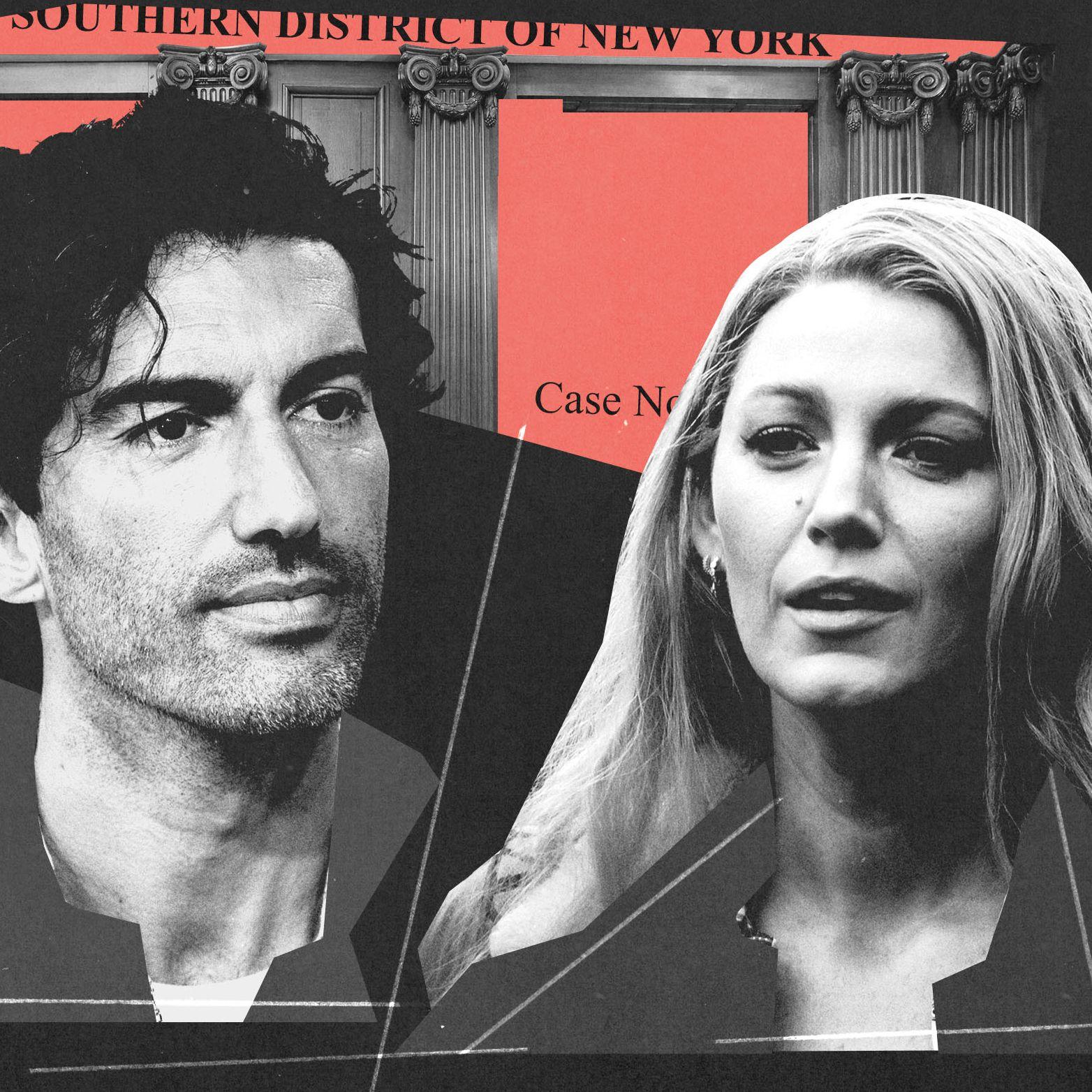
Former employees of actor and director Justin Baldoni have come forward with allegations of “toxic positivity” in his workplace culture, raising questions about the environment behind his public persona. These claims have emerged amid ongoing litigation involving actress Blake Lively, intensifying scrutiny around Baldoni’s professional conduct. Critics describe the atmosphere as insincere and forced, challenging the uplifting image Baldoni has cultivated in the media. This article delves into the accusations and the broader context surrounding the lawsuit that has brought these issues to light.
Justin Baldoni Faces Workplace Culture Criticism as Allegations of Toxic Positivity Surface
Former employees have come forward with troubling accounts describing the work environment under Justin Baldoni’s leadership as steeped in toxic positivity. Staffers revealed that attempts to maintain an overwhelmingly optimistic atmosphere often felt disingenuous, with many describing a culture that suppressed genuine concerns and dissenting voices. One anonymous source stated, “It felt phony, like genuine struggles were swept under the rug to preserve a façade of harmony.” This revelation emerged amid ongoing legal scrutiny involving a lawsuit filed by Blake Lively, intensifying public conversations around workplace transparency and accountability in the entertainment industry.
Critics argue that excessive emphasis on positivity masked underlying issues, creating an environment where employees felt pressured to conform rather than express hardships. The allegations highlight several key aspects reportedly contributing to the toxic atmosphere:
- Mandatory optimism: Employees were encouraged to always maintain a positive front, nonetheless of personal or professional challenges.
- Suppressed feedback: Constructive criticism was often ignored or met with defensiveness, limiting opportunities for growth.
- Emotional labor: Staff had to manage their own emotions while constantly projecting positivity for others.
Former Employees Describe Emotional Impact and Challenges Under Baldoni’s Leadership
Former employees who worked under Justin Baldoni have openly criticized his management style, describing it as a breeding ground for emotional exhaustion masked by relentless optimism. They reported an atmosphere dominated by what they termed “toxic positivity,” where negative emotions or concerns were routinely dismissed in favor of forced cheerfulness. One ex-staffer remarked, “It wasn’t a safe space to express genuine struggles. Everything had to be spun positively, which made it feel superficial and disconnected from reality.”
Several insiders highlighted challenges related to unclear communication and unrealistic expectations, leading to stress and burnout. The push for constant personal growth and emotional transparency often felt performative rather than supportive, creating a paradoxical environment where vulnerability was both demanded and undermined. Employees noted that this atmosphere sometimes resulted in feelings of isolation and disillusionment, complicating efforts to maintain authentic connections within the team.
- Emotional exhaustion disguised as positivity
- Dismissal of genuine concerns
- Pressures of performative vulnerability
- Unrealistic expectations leading to burnout
| Issue Reported | Impact on Employees |
|---|---|
| Toxic Positivity | Emotional fatigue,inauthenticity |
| Lack of Safe Expression | Feeling silenced,isolation |
| High Expectations | Stress,burnout |
| Performative Culture | Disillusionment,mistrust |
Blake Lively Lawsuit Brings Increased Scrutiny to Industry Figures and Workplace Ethics
The recent legal actions involving Blake Lively have cast a glaring spotlight on the conduct and culture permeating the entertainment industry. Among the figures coming under scrutiny is director and actor Justin Baldoni, who has been accused by former employees of fostering a workplace atmosphere criticized for “toxic positivity.” Several insiders described an environment where negative feedback was discouraged,masked by overly optimistic rhetoric that some found “phony” and ultimately detrimental to authentic communication and growth within the teams. This atmosphere reportedly blurred lines between genuine encouragement and suppression of legitimate concerns.
Industry experts now warn that such dynamics could be symptomatic of deeper ethical challenges confronting Hollywood’s leadership and management styles. Advocates emphasize the need for transparent dialog and accountability to rebuild trust, urging companies to foster cultures that allow constructive criticism rather than veiling issues behind forced cheerfulness. The unfolding controversy invites actors,directors,and producers alike to reevaluate how positivity is practiced-balancing encouragement with honesty-to better support mental health and professional integrity.
- Reported behavior: dismissing negative feedback under the guise of positivity
- Employee response: increased frustration and lack of trust
- Call to action: demand for transparent, accountable workplace ethics
Experts Recommend Transparent Communication and Accountability to Address Toxic Positivity Claims
Industry experts emphasize that navigating accusations of toxic positivity requires more than surface-level optimism or platitudes. Transparent communication is critical to rebuilding trust within organizations and with the public. Specialists advocate for open dialogues that acknowledge challenges and employee experiences without minimizing or dismissing their concerns. According to psychologists, fostering an environment where authenticity is prioritized over forced positivity can prevent feelings of alienation and increase workplace well-being.
Accountability is equally critically important in addressing toxic positivity claims amid public controversies. Experts suggest that leaders take measurable steps to validate grievances and implement policies that reinforce supportive communication practices. Below is a summary of recommended approaches for executives facing similar allegations:
| Expert Recommendations | Key Actions |
|---|---|
| Transparent Listening | Hold genuine feedback sessions; validate employee feelings. |
| Authentic Messaging | Communicate honestly, avoiding platitudes. |
| Policy Revisions | Update guidelines to reflect accountability standards. |
| Leadership Training | Equip managers with empathy and conflict resolution skills. |
Ultimately, experts warn that ignoring toxic positivity claims or responding with defensive optimism can exacerbate tensions, making these strategic communication measures essential for long-term credibility and organizational health.
Future Outlook
As the legal proceedings involving Blake Lively continue to unfold, the allegations against Justin Baldoni add another layer of complexity to the story. Former employees’ claims of “toxic positivity” highlight ongoing concerns about workplace culture within Baldoni’s projects. The unfolding situation underscores the challenges faced by public figures in managing both personal and professional controversies under intense media scrutiny. Further developments in the lawsuit and related accusations will be closely watched by industry observers and the public alike.