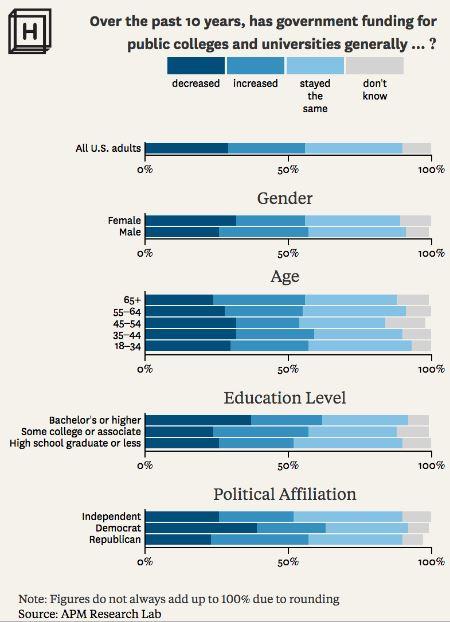
Higher education funding in the United States remains a complex and evolving landscape, marked by shifting federal and state priorities, fluctuating tuition costs, and growing reliance on student loans. As institutions grapple with balancing quality education and affordability, policymakers, educators, and students alike face pressing questions about how best to support college access and completion. This article provides a broad overview of the key trends and challenges shaping higher education funding, drawing on recent data and expert analysis to inform the ongoing national conversation.
The Current Landscape of Higher Education Funding in the United States
In recent years, the funding model for higher education in the United States has undergone significant shifts, with state appropriations declining and tuition fees rising to fill the gap. Public universities, once predominantly funded by government dollars, now rely more heavily on student tuition, making college less accessible for many middle- and low-income families. This shift has also intensified the student debt crisis, affecting millions nationwide and leading policymakers to seek new approaches for financial support and affordability. Simultaneously occurring, private institutions continue to thrive on endowments and donations, but their budget models are not immune to economic fluctuations or changes in federal support programs.
A complex mix of federal grants,loans,and work-study programs remains the backbone of financial aid,yet not all students benefit equally.Disparities persist, especially among minority and first-generation college students, who often face greater financial hurdles and uncertainty. Key funding sources include:
- Federal Pell Grants: Need-based, targeting low-income students.
- State Grant Programs: Vary widely by state in scope and size.
- Institutional Aid: Scholarships and grants funded by colleges themselves.
- Student Loans: Both federal and private, contributing to long-term debt burdens.
| Funding Source | 2023 Federal Allocation (in billions) | Primary Beneficiaries |
|---|---|---|
| Federal Pell Grants | $25 | Low-income students |
| State Grant Programs | $12 | State residents |
| Federal Student Loans | $100+ | Majority of undergraduates |
| Institutional Aid | $30 | Merit and need-based |
Challenges Facing Public and Private Institutions Amid Budget Constraints
Both public and private higher education institutions are grappling with significant financial pressures as state funding and endowment returns stagnate or decline. Public universities, heavily reliant on government appropriations, frequently enough face sharp cuts leading to larger class sizes, reduced course offerings, and deferred maintenance. Meanwhile, private colleges, dependent on tuition and donor contributions, confront challenges in maintaining their financial aid programs and sustaining research initiatives amid volatile economic conditions. These financial constraints not only affect campus operations but also impact faculty retention and student support services, creating a ripple effect throughout the academic ecosystem.
Institutions are adopting a variety of strategies to navigate this constrained fiscal landscape:
- Increasing reliance on alternative revenue streams such as online programs and professional certificates
- Expanding partnerships with industry to offset funding gaps
- Implementing administrative cost reductions without compromising educational quality
- Exploring tuition freezes or modest hikes balanced with enhanced financial aid to attract diverse student populations
Though, these stopgap measures frequently enough raise concerns about long-term sustainability and the potential erosion of educational accessibility and quality.
| Institution Type | Primary Funding Source | Typical Budget Challenge | Example Response |
|---|---|---|---|
| Public Universities | State appropriations | Decreased government funding | Increased out-of-state enrollment |
| Private Colleges | Tuition + donations | Volatile endowment returns | Expanded fundraising campaigns |
| Community Colleges | Local/state funding | Reduced enrollment | Focus on workforce training |
Impact of Student Debt on Access and Academic Outcomes
Rising student debt has become a significant barrier to higher education accessibility in the United States. Research shows that the burden of borrowing disproportionately affects low-income and minority students,often deterring college enrollment altogether. Many prospective students weigh the prospect of years of loan repayment against the uncertain financial returns of a degree, leading to a decline in college applications from vulnerable populations. Financial stress linked to debt also contributes to increased dropout rates, as students are forced to balance part-time work-or full-time jobs-with academic responsibilities.
Beyond enrollment and retention,student debt influences academic outcomes and post-graduation trajectories in complex ways. Studies indicate that borrowers may choose majors perceived as more lucrative rather than those aligned with their interests, impacting career satisfaction and long-term success. The table below illustrates average debt loads and associated graduation rates among different income brackets,highlighting the uneven impact of financial pressure:
| Income Bracket | Average Student Debt | 6-Year Graduation Rate |
|---|---|---|
| Low Income | $35,000 | 45% |
| Middle Income | $25,000 | 58% |
| High Income | $15,000 | 72% |
- Delayed homeownership: Graduates often postpone major life events due to loan repayment.
- Mental health concerns: The psychological impact of debt compromises academic focus.
- Reduced career mobility: Debt limits graduates’ ability to take lower-paying entry roles aligned with their skills.
Policy Recommendations to Improve Equity and Sustainability in College Financing
To foster a more equitable higher education system, policymakers should prioritize increased direct funding to public institutions serving low-income and underrepresented students. Expanding need-based grants rather than loans can alleviate the disproportionate debt burden on marginalized communities,promoting better access and completion rates. Additionally,restructuring financial aid formulas to consider family wealth and local cost of living variations would create a more nuanced and fair distribution of college funding across regions and demographics.
Long-term sustainability also depends on obvious accountability measures tied to funding, incentivizing institutions to improve graduation rates and post-graduate employment outcomes without sacrificing access. Strategies such as supporting community colleges and vocational education programs can diversify pathways while reducing reliance on traditional four-year degrees. Key policy shifts include:
- Implementing sliding scale tuition models based on income and academic performance
- Increasing investments in financial literacy programs to empower students in managing college costs
- Encouraging public-private partnerships to harness innovation and diversify funding streams
| Policy Area | Key Recommendation | Expected Impact |
|---|---|---|
| Financial Aid | Shift from loans to grants | Reduce student debt, increase affordability |
| Institutional Funding | Performance-based allocations | Encourage completion and workforce readiness |
| Access Programs | Expand community college support | Broaden pathways, lower entry barriers |
Insights and Conclusions
As debates continue over the future of higher education in the United States, understanding the complex landscape of funding remains crucial. From shifting government appropriations to rising tuition costs and the evolving role of private investment, the financial challenges facing colleges and students alike demand ongoing scrutiny. Policymakers, educators, and the public must weigh these factors carefully to ensure access, affordability, and quality in American higher education remain sustainable for generations to come.