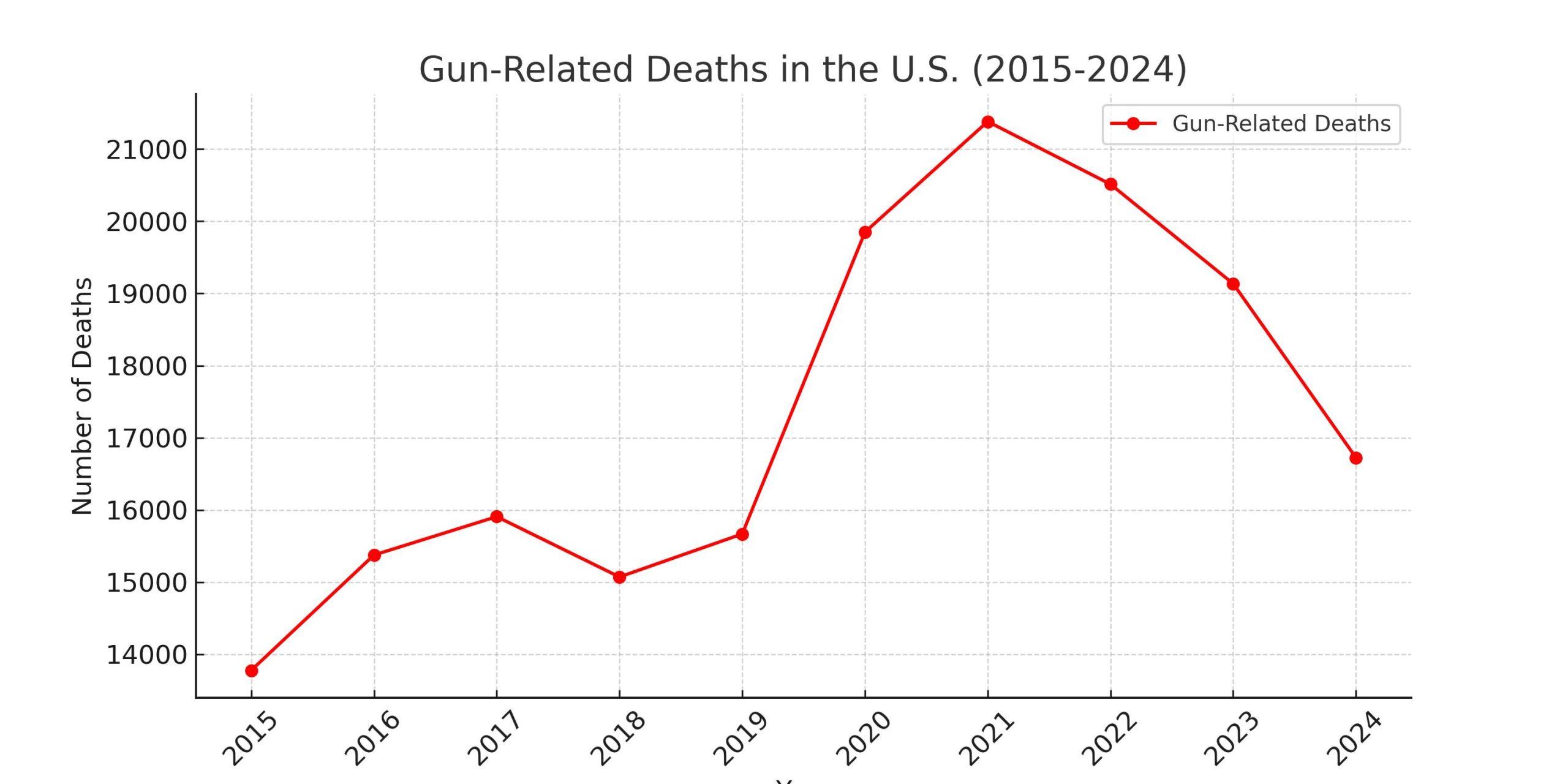
Gun-related deaths in the United States remain a deeply contentious and complex issue, capturing widespread public attention and sparking intense debate. According to a comprehensive analysis by the Pew Research Center, data on gun fatalities reveals troubling trends and offers critical insights into the patterns, causes, and demographics most affected. This article delves into the latest statistics and findings to provide a clearer understanding of the scope and nature of gun deaths across the country, shedding light on an issue that continues to shape national conversations on public safety and policy.
Trends in Gun Deaths Over the Past Decade
Over the past decade, the United States has witnessed fluctuating rates of gun-related fatalities, painting a complex picture of a persistent public health challenge.After a gradual decline in the early 2010s, data reveals a sharp increase in gun deaths from 2015 onward, driven largely by surges in both homicides and suicides involving firearms. While some states have managed to reduce incidences through targeted policies, others continue to see rising numbers, underscoring the regional disparities within this nationwide crisis.
Key patterns observed include:
- Suicide is the leading cause of gun deaths, accounting for nearly 55% of cases in recent years.
- Gun homicide rates peaked around 2020, coinciding with social unrest and pandemic-related factors.
- Deaths involving accidental shootings have remained relatively stable but represent a small fraction of overall gun fatalities.
- Urban areas continue to experience higher homicide rates, whereas rural areas report increased firearm suicides.
| Year | Total Gun Deaths | Homicides | Suicides |
|---|---|---|---|
| 2012 | 33,000 | 11,500 | 19,000 |
| 2016 | 38,500 | 14,300 | 22,000 |
| 2020 | 43,600 | 19,400 | 24,000 |
| 2022 | 44,900 | 20,000 | 24,500 |
Demographic Disparities in Firearm Fatalities
Firearm fatalities in the United States reveal stark differences across various demographic groups. According to recent data, young adults aged 18-29 experience the highest rates of gun-related deaths, with significant disparities noted between racial and ethnic communities. Black Americans, notably males in this age bracket, face disproportionately elevated fatality rates compared to their White and Hispanic counterparts. These patterns underscore persistent social and economic inequalities that manifest tragically in firearm violence statistics.
The discrepancy extends beyond age and race, with gender playing a crucial role. Males account for nearly 85% of all gun deaths, a figure that remains consistent across age and racial groups. Moreover, rural and urban divides contribute additional complexity to this landscape. Urban areas report higher rates of homicide, while rural regions see more firearm deaths linked to suicides. Below is a snapshot of key demographic fatality rates per 100,000 population:
| Demographic | Fatality Rate | Leading Cause |
|---|---|---|
| Black Males (18-29) | 55.3 | Homicide |
| White Males (18-29) | 20.1 | Suicide |
| Hispanic Males (18-29) | 28.7 | Homicide |
| White Females (30-44) | 7.4 | Suicide |
| Black Females (30-44) | 10.2 | Homicide |
- Race and ethnicity remain central factors influencing gun violence outcomes.
- Gender disparities highlight the need for targeted prevention strategies.
- Age groups vary in exposure to different types of firearm fatalities.
The Role of Mental Health and Suicide in Gun Mortality
Understanding gun mortality in the United States requires a clear look at the intersection with mental health challenges. A significant portion of firearm-related deaths—nearly 60%—are attributed to suicide, making it the leading context for gun fatalities. Individuals grappling with mental health disorders often face barriers in accessing appropriate care, which can elevate the risk of self-harm when firearms are readily available. The data underscores the urgent need for enhanced mental health services and effective intervention strategies to address this crisis.
The complexities surrounding gun suicides are further highlighted by contributing factors beyond mental illness alone. These include:
- Social isolation and economic hardship
- Lack of awareness or support networks
- Accessibility of high-lethality means, especially firearms
- Stigma preventing individuals from seeking help
Efforts to reduce gun-related deaths must therefore encompass a dual approach—strengthening mental health care infrastructure while implementing targeted gun safety laws. Below is a snapshot showing the distribution of gun-related deaths by intent, reflecting the critical role of suicide in overall firearm mortality.
| Cause | Percentage of Gun Deaths |
|---|---|
| Suicide | 59% |
| Homicide | 37% |
| Accidental | 2% |
| Undetermined/Other | 2% |
Policy Recommendations Based on Recent Data Insights
Data trends reveal that targeted policy measures can substantially curb firearm-related fatalities. Experts emphasize the need for comprehensive background checks to close existing loopholes, particularly those involving private sales and gun shows. Additionally, implementing mandatory safe storage laws could reduce accidental shootings, especially among children, while community-based intervention programs show promise in addressing gun violence in urban hotspots.
To support informed decision-making, policymakers should consider the following evidence-backed strategies:
- Red flag laws: Enabling temporary removal of firearms from persons deemed at risk.
- Enhanced mental health services: Integrating firearm safety counseling into health care visits.
- Investment in violence prevention: Funding grassroots organizations that focus on conflict resolution.
| Policy | Expected Impact | Data Support |
|---|---|---|
| Global Background Checks | Reduce illegal firearm acquisitions | ~15% drop in gun murders |
| Safe Storage Laws | Lower accidental deaths among minors | Up to 25% fewer accidental shootings |
| Red Flag Policies | Prevent suicides and domestic violence incidents | 30% decrease in firearm suicides |
Key Takeaways
In sum,the data from Pew Research Center underscores the complexity and gravity of gun-related deaths in the United States. While trends show shifts in the patterns of firearm fatalities, the enduring impact on communities nationwide remains clear. As policymakers, researchers, and the public continue to grapple with the issue, comprehensive data analysis will be essential in informing effective strategies aimed at reducing gun deaths and enhancing public safety. The conversation around gun violence is far from over, and ongoing data-driven insights will play a crucial role in shaping its future trajectory.