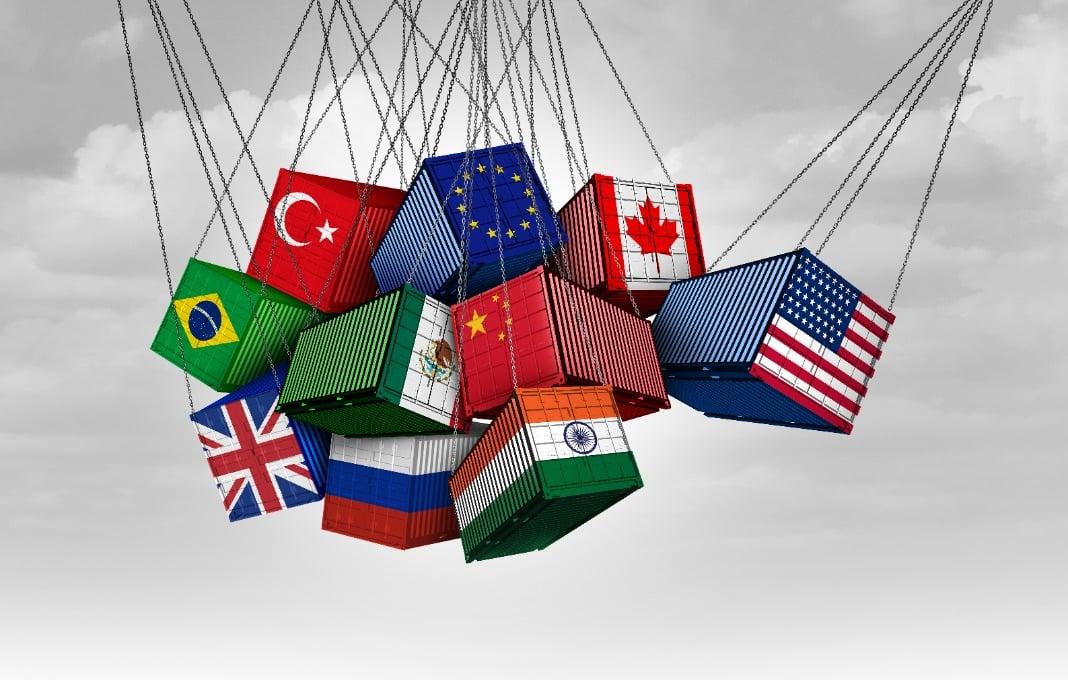
Uncertainty surrounding the future of tariffs has triggered extreme volatility across global financial markets, as investors grapple with changing trade policies and their potential economic impact. In the latest developments, fluctuating signals from governments and ongoing negotiations have fueled rapid shifts in stock prices, commodities, and currencies, underscoring the precarious state of international trade relations. This article explores the causes and consequences of these wild market swings, highlighting the challenges faced by businesses and policymakers alike.
Unpredictable Tariff Policies Trigger Market Volatility
Global markets have been roiled by the erratic shifts in tariff regulations, creating an atmosphere of uncertainty among investors and corporations alike. Sudden announcements of tariff hikes or exemptions disrupt supply chains and export strategies overnight, forcing rapid realignments in trading patterns. Industry leaders warn that this unpredictability undermines long-term planning and investment, with many firms holding back on expansion due to fears of unforeseen costs and retaliatory measures.
Analysts point to several immediate consequences:
- Inflationary pressures on imported goods leading to price volatility
- Shifting capital flows as investors seek safer, less exposed markets
- Uneven impacts across sectors, with manufacturing and agriculture bearing the brunt
| Sector | Market Impact | Expected Recovery Time |
|---|---|---|
| Manufacturing | High volatility, supply chain disruptions | 6-12 months |
| Agriculture | Reduced export demand, price fluctuations | 4-8 months |
| Technology | Moderate impact, risk of increased component costs | 3-6 months |
Analyzing the Economic Impact of Trade Uncertainty on Global Markets
The ripple effects of unpredictable tariff announcements have sent shockwaves through global financial markets, shaking investor confidence and prompting rapid adjustments across multiple sectors. Sudden shifts in trade policies compound market volatility, as corporations grapple with fluctuating production costs and disrupted supply chains. This environment of uncertainty has led to a cautious approach in investment strategies, with many firms delaying expansion plans or sourcing decisions to avoid exposure to potential tariff escalations.
Economic indicators reveal a clear pattern: regions heavily reliant on export-driven growth exhibit the most pronounced market reactions.Key impacts include:
- Currency fluctuations as nations react differently to new trade barriers
- Commodity price instability due to shifting demand-supply dynamics
- Equity market swings, especially in sectors vulnerable to cross-border trade
| Region | Market Reaction | Economic Impact |
|---|---|---|
| Asia-Pacific | Sharp equity declines | Manufacturing slowdowns |
| Europe | Currency volatility | Export uncertainty |
| North America | Stock market fluctuation | Investment cautiousness |
Strategies for Investors to Navigate Tariff-Induced Fluctuations
Investors seeking stability amid tariff-driven volatility should embrace diversification across sectors and geographies. Tariffs frequently enough impact industries unevenly, with manufacturing and agriculture typically more vulnerable. Broadening investment portfolios to include sectors less exposed to trade policy, such as technology and healthcare, can mitigate risk. Additionally, international exposure helps cushion portfolios against region-specific tariff shocks.
Strategic asset allocation combined with active monitoring of trade developments is essential. Investors might consider:
- Utilizing hedging instruments like options and futures to protect against sudden market swings.
- Investing in companies with strong pricing power that can transfer increased costs to consumers without denting profits.
- Allocating funds to ETFs or mutual funds with inherent geographical and sectoral diversity.
| Investment Strategy | Key Benefit |
|---|---|
| Sector Diversification | Reduces exposure to tariff-hit industries |
| Geographic Diversification | Balances risk from regional policy changes |
| Use of Hedging Tools | Limits downside volatility during market shocks |
Policy Recommendations to Stabilize Trade Relations and Market Confidence
To temper the volatile reactions in global markets, policymakers must prioritize transparent and consistent interaction regarding tariff policies. Establishing clear guidelines and predefined review cycles for tariffs can definitely help reduce speculation and provide businesses with predictable frameworks to plan their operations. Additionally, fostering multilateral trade dialogues and leveraging existing frameworks such as the World Trade Organization (WTO) could strengthen cooperation, minimizing unilateral tariff impositions that ignite market unrest.
Complementing these efforts, governments should consider implementing targeted relief measures for industries most affected by trade tensions. These can include:
- Financial support for small and medium enterprises navigating tariff-related costs
- Investment in supply chain diversification to mitigate overreliance on volatile trade partners
- Enhanced data clarity initiatives,providing timely information on tariffs and trade impacts to stakeholders
| Policy Measure | Expected Impact | Timeframe |
|---|---|---|
| Scheduled Tariff Reviews | Reduce market speculation | Short-term |
| Relief Funds for SMEs | Support economic resilience | Medium-term |
| Trade Data Transparency | Boost investor confidence | Immediate |
Wrapping Up
As uncertainty over tariffs continues to loom,market volatility shows no signs of abating. Investors remain cautious,grappling with the unpredictable impact of potential trade policy shifts on global economies. Moving forward, clarity and decisive action from policymakers will be crucial in stabilizing markets and restoring confidence. Until then, swings in market sentiment are likely to persist, reflecting the broader unease surrounding the evolving trade landscape.