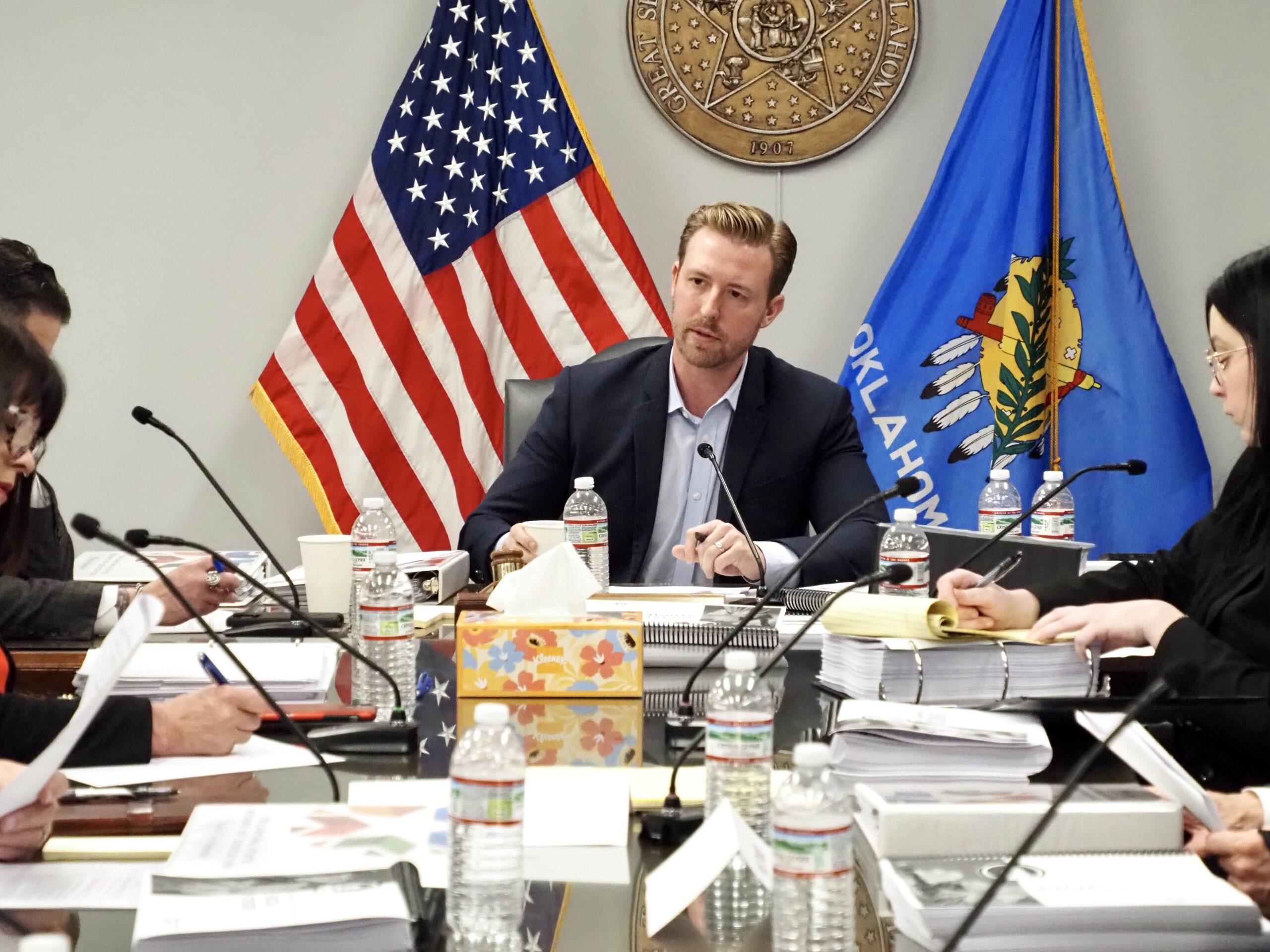
Oklahoma is considering a controversial addition to its U.S. history curriculum that would require schools to teach about alleged “discrepancies” in the 2020 presidential election. The proposal, which has ignited debate among educators, lawmakers, and civil rights advocates, raises questions about the intersection of education, politics, and the integrity of the democratic process. As the state moves forward with the plan, critics warn it may promote misinformation and undermine public trust in election outcomes.
Oklahoma Lawmakers Push to Include 2020 Election Discrepancies in School Curriculum
Legislators in Oklahoma are advancing a contentious proposal to integrate lessons on the alleged discrepancies surrounding the 2020 U.S.presidential election into the state’s public school curriculum. The initiative seeks to ensure that students learn about the events and debates that followed the election, highlighting concerns raised by some lawmakers regarding voting integrity and electoral processes.Proponents argue that including this content will foster critical thinking and a deeper understanding of American democracy among young learners.
Critics, however, warn that the curriculum changes risk spreading misinformation and undermining trust in electoral systems without ample evidence of widespread irregularities. The proposal would specifically mandate coverage of several key issues:
- Claims of voter fraud and their investigations
- Legal challenges and court rulings related to the election
- Impact on public perception and civic engagement post-election
To illustrate the scope of the intended curriculum topics, the following table outlines the major themes and their proposed focus areas:
| Theme | Focus |
|---|---|
| Voter Fraud Claims | Overview of allegations and investigations |
| Legal Proceedings | Summary of lawsuits and outcomes |
| Public Reactions | Media coverage and community response |
Controversy Erupts Over Historical Accuracy and Political Bias in Education
In response to the ongoing political division surrounding the 2020 presidential election, Oklahoma’s latest educational proposal has sparked a fierce debate nationwide. The legislation seeks to mandate the inclusion of so-called “discrepancies” related to the election results in U.S. history curricula, igniting concerns among educators and historians about the potential spread of misinformation. Critics argue that these additions could undermine established facts by presenting contested narratives as equal to verified historical events, thereby politicizing educational content and distorting students’ understanding of democratic processes.
Opponents of the bill emphasize several key issues:
- Risk of eroding trust in electoral integrity and democratic institutions
- Potential confusion among students due to conflicting interpretations
- Precedent for future politicization of history education based on partisan agendas
| Stakeholders | Concerns | Support Arguments |
|---|---|---|
| Educators | Preservation of factual integrity in curriculum | Ensuring multiple perspectives are presented |
| Historians | Misinformation and revisionism risks | Encouraging critical thinking about historical events |
| Lawmakers | Partisan motives vs. educational neutrality | Voter awareness and openness |
Experts Warn of Potential Impact on Student Understanding of Democratic Processes
Education specialists and political scientists alike are sounding alarms about the potential ramifications of incorporating disputed claims into the curriculum. They caution that presenting unverified “discrepancies” from the 2020 election without robust context risks distorting students’ understanding of how democratic institutions function. Such narratives, if taught without critical scrutiny, could foster deep skepticism toward electoral integrity and diminish trust in the very mechanisms that uphold democratic governance.
Concerns raised by experts include:
- Undermining civic education by prioritizing partisan perspectives over factual accuracy.
- Encouraging historical revisionism that may confuse students about the roles and responsibilities of voters, officials, and courts.
- Perhaps fueling divisiveness among young learners by embedding controversial claims without consensus or corroboration.
| Expert | Primary Concern | Suggested Approach |
|---|---|---|
| Dr. Elena Morris | Erosion of trust in democratic institutions | Teach election processes with emphasis on verified facts |
| Prof. James Chen | Polarization among students | Encourage critical thinking through diverse viewpoints |
| Dr. Lisa Gómez | Confusion about legal electoral challenges | Integrate historical and legal context in lessons |
Recommendations for Balanced Teaching Approaches and Fact-Checking Mechanisms
In navigating the teaching of politically sensitive topics such as the alleged 2020 election discrepancies, it is crucial to maintain a balanced, fact-driven approach that fosters critical thinking rather than partisanship. Educators should present multiple perspectives, encouraging students to examine evidence from *reliable sources* and understand the context behind claims. In this way, students develop the skills necessary to differentiate between verified information and misinformation. Recommended practices include:
- Incorporation of primary documents and official court rulings related to election audits and legal challenges.
- Utilization of bipartisan expert analyses to outline various interpretations with supporting facts.
- Classroom debates and critical discussion sessions facilitated to cultivate respectful dialog and analytical thinking.
To help educators implement these methodologies effectively, schools may consider establishing fact-checking panels consisting of historians, political scientists, and legal experts. These panels would review curricular materials and suggest adjustments ensuring accuracy and balance. Below is a sample framework for fact-checking protocols:
| Step | Action | Outcome |
|---|---|---|
| 1 | Source Verification | Confirm credibility of all referenced materials |
| 2 | Cross-Referencing | Corroborate facts across multiple independent reports |
| 3 | Periodic Updates | Adjust curriculum as new verified information emerges |
To Wrap It Up
As the debate over how American history is taught intensifies nationwide, Oklahoma’s proposal to include the 2020 election “discrepancies” in its U.S. history curriculum marks a meaningful development. Critics argue the move could blur fact and misinformation, while supporters claim it promotes critical examination of electoral processes.The outcome of this legislative effort will likely influence educational standards and political discourse in the state and beyond, highlighting the ongoing struggle over historical narrative in America’s classrooms.