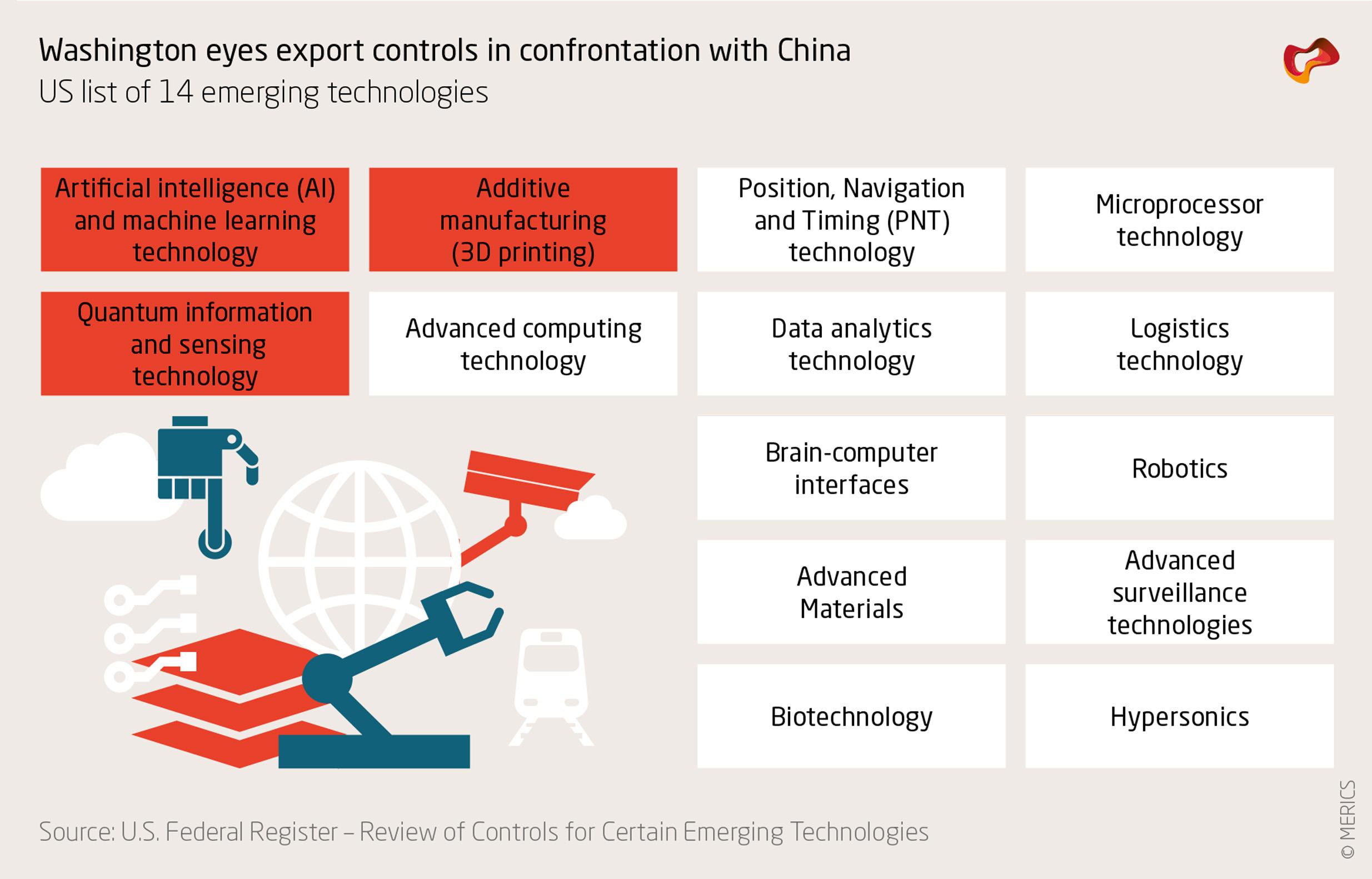
In a rapidly shifting geopolitical landscape, new export control measures are straining an already fragile truce between the United States and China, threatening to unravel years of delicate diplomacy. As Washington ramps up restrictions on critical technologies, Beijing has responded with heightened caution and retaliatory measures, casting uncertainty over trade and security cooperation. This escalating tension underscores the challenges both superpowers face in balancing national security interests with the imperative of maintaining a stable bilateral relationship, raising concerns about the broader implications for global economic and political stability.
Escalating Export Controls and Their Impact on U.S.-China Relations
Recent intensifications in export controls have sent ripples through the diplomatic fabric that holds the U.S.-China truce together. These measures, primarily targeting technology and semiconductor sectors, reflect growing U.S. concerns over intellectual property security and national defense. However, the repercussions extend far beyond trade regulations, feeding into mutual distrust and prompting retaliatory actions from Beijing. Observers warn that these controls risk unraveling the careful détente painstakingly maintained in recent years, with economic and geopolitical consequences resonating globally.
The complexities of these export restrictions can be distilled into key points affecting bilateral relations:
- Technological Decoupling: Limiting China’s access to critical technologies threatens to accelerate a bifurcated global tech landscape.
- Economic Strain: Supply chain disruptions hit companies on both sides, fostering instability in markets dependent on Sino-American trade.
- Diplomatic Backlash: Beijing’s response includes tightening its own controls and escalating rhetoric, complicating avenues for peaceful negotiation.
| Sector | U.S. Export Control Focus | China’s Response |
|---|---|---|
| Semiconductors | Restricted sale of advanced chips | Increased investment in domestic production |
| Artificial Intelligence | Limitations on chip designs and software | Acceleration of indigenous AI advancement |
| Telecommunications | Ban on certain Chinese telecom imports | Enhanced support for local firms |
Navigating the Economic and Strategic Risks of Heightened Restrictions
Heightened export controls have introduced a delicate balance of risks that extend beyond immediate trade implications,touching deeply on the geopolitical stability that underpins the U.S.-China relationship. By restricting access to critical technologies, the U.S. aims to curb China’s growing influence in sectors like semiconductors and telecommunications. However, this approach risks unraveling the fragile truce that has prevented escalation amid ongoing tensions, potentially provoking retaliatory measures that could destabilize global markets and compromise supply chains. Such measures force companies on both sides to rethink investment plans, disrupting innovation cycles and increasing uncertainties.
Key challenges emerging from these restrictions include:
- Supply Chain Vulnerabilities: Interruptions in cross-border shipments of advanced components strain manufacturing timelines and raise costs.
- Strategic Realignments: Firms may pivot towards choice partners or seek to develop indigenous capabilities, intensifying the technological divide.
- Diplomatic Fallout: Stricter controls risk hardening policy stances, leading to a potential tit-for-tat escalation.
| Economic Impact | Strategic Consequence |
|---|---|
| Decline in bilateral tech trade by 15% | Acceleration of China’s self-reliance initiatives |
| Increased R&D investment delays | Heightened military-tech rivalry |
| Supply chain realignments across Asia | Diminished diplomatic engagement |
Analysis of Key Sectors Vulnerable to Export Limitations
Recent export controls have spotlighted sectors where supply chain disruptions could reverberate profoundly, amplifying tensions between the U.S. and China. The technology industry stands at the forefront, with semiconductor manufacturing equipment and advanced microchips becoming prime targets for restrictions. These components are essential not only for consumer electronics but also for defense systems, creating a high-stakes chessboard of technological dominance. Simultaneously occurring, rare earth elements, critical for everything from electric vehicles to military hardware, face export constraints that threaten to destabilize global production networks and escalate market volatility.
Other vulnerable sectors include:
- Telecommunications: Restrictions on 5G infrastructure equipment risk slowing innovation and connectivity advancements.
- Pharmaceuticals: Raw materials and biotech components face tighter controls, affecting global health supply chains.
- Energy: Export limits on critical energy tech and materials could hinder clean energy transitions worldwide.
| Sector | Key Exported Goods | Potential Impact |
|---|---|---|
| Technology | Semiconductors, Chip Equipment | Supply shortages, R&D delays |
| Telecommunications | 5G Components | Innovation slowdowns, market fragmentation |
| Pharmaceuticals | Raw Materials, Biotech | Health supply chain disruptions |
| Energy | Clean Tech Materials | Obstacles to energy transition |
Policy Recommendations for Sustaining Diplomatic Stability and Trade Cooperation
To preserve the delicate equilibrium between Washington and Beijing, policymakers must recalibrate export controls with a focus on targeted precision rather than broad restrictions. Blanket bans risk undermining decades of trade cooperation, driving critical supply chains to fracture and pushing strategic industries into unpredictable territory. A nuanced approach that incorporates rigorous impact assessments and fosters multilateral dialog can help minimize unintended consequences, ensuring that economic ties and diplomatic channels remain intact while addressing genuine national security concerns.
- Enhance clarity: Governments should share data on export control effects with industry stakeholders to align expectations and reduce economic shockwaves.
- Promote bilateral forums: Revive regular U.S.-China consultations to address ambiguities and update protocols in real time.
- Leverage third-party partnerships: Engage allies to establish cohesive export standards,preventing technological leakages.
| Suggestion | Expected Outcome | Implementation Timeline |
|---|---|---|
| Targeted export controls | Reduced economic disruptions | 6-12 months |
| Transparency initiatives | Improved industry-government trust | 3-6 months |
| Diplomatic forums | Clearer trade policies | Ongoing |
Final Thoughts
As tensions between Washington and Beijing persist, the imposition of export controls threatens to unravel the delicate ceasefire that has thus far managed to stabilize U.S.-China relations. Analysts warn that without careful management and dialogue, these measures could escalate into broader economic and geopolitical conflicts, undermining efforts to maintain global stability. Moving forward, policymakers face the challenge of balancing national security interests with the imperative of preserving a constructive and peaceful engagement between two of the world’s most powerful nations.