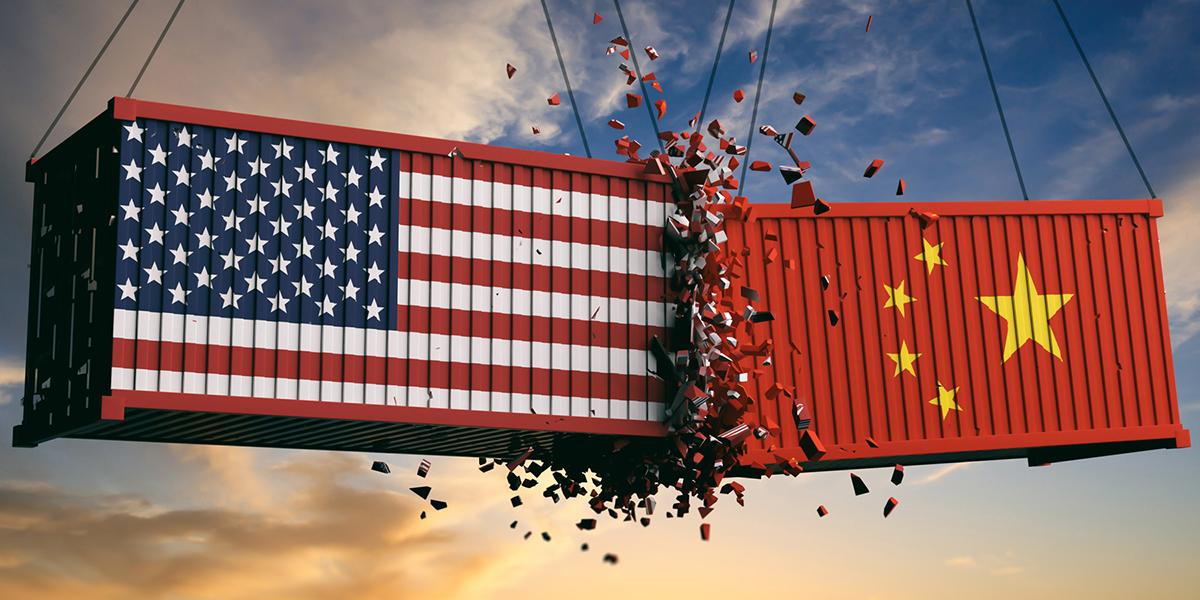
As tensions between the United States and China escalate once again, businesses on both sides of the Pacific are bracing for the next chapter in an increasingly complex trade war. Companies that have already endured tariffs, supply chain disruptions, and shifting regulatory landscapes are now mobilizing strategies to navigate the looming challenges posed by renewed protectionism and geopolitical rivalry. In a climate marked by uncertainty and economic recalibration, industry leaders and policymakers alike are preparing for the significant ramifications that the evolving U.S.-China trade conflict is set to bring.
Businesses Brace for Escalating Tariffs and Supply Chain Disruptions
Companies across industries are recalibrating strategies amid looming tariff increases and intensified supply chain volatility.Many manufacturers are considering relocating production outside of China or diversifying their supplier base to mitigate the impact of steep import taxes. Retailers,in turn,face mounting pressure as costlier goods trickle down to consumers,complicating demand forecasts and inventory management.
Key challenges faced by businesses include:
- Rising costs of raw materials and components
- Extended delivery times and shipping delays
- Uncertainty in trade policies affecting long-term investments
- Increasing complexity in compliance and customs procedures
| Sector | Tariff Increase Impact | Mitigation Strategy |
|---|---|---|
| Electronics | +15% | Shift to Southeast Asian suppliers |
| Automotive | +10% | Invest in local manufacturing plants |
| Apparel | +20% | Increase inventory buffer stocks |
| Consumer Goods | +12% | Explore alternative sourcing regions |
Industry Leaders Adapt Strategies Amid Growing Regulatory Uncertainty
Amid escalating tensions and unpredictable policy shifts, top executives in key sectors are re-evaluating their growth trajectories and operational frameworks to withstand potential regulatory shocks. Emphasizing agility, several multinational corporations have accelerated diversification of their supply chains, seeking alternatives outside of the customary U.S.-China axis. This strategic pivot reflects a broader consensus that the landscape will remain volatile, with compliance costs and tariffs likely to intensify over the coming quarters.
Industry leaders are also increasing investments in compliance infrastructure and lobbying efforts to influence forthcoming regulations. According to recent surveys, companies are prioritizing the following areas:
- Supply chain resilience: Expanding manufacturing bases in Southeast Asia and Latin America
- Technological innovation: Leveraging automation to offset operational risks
- Regulatory engagement: Enhancing risk assessment and government relations teams
| Sector | Top Adaptation Strategy | Short-Term Impact |
|---|---|---|
| Technology | Advanced supply chain mapping | Reduced lead times |
| Manufacturing | Nearshoring initiatives | Higher upfront costs |
| Consumer Goods | Diversified sourcing partnerships | Mitigated tariff exposure |
Investing in Diversification and Alternative Markets to Mitigate Risks
As tensions escalate between the two largest global economies, businesses are increasingly looking beyond traditional markets to safeguard their interests. Companies are allocating capital towards diversified investment portfolios that include emerging sectors such as renewable energy, technology startups, and regional markets outside of China. This strategic pivot not only spreads out exposure but also opens doors for innovation and growth in less saturated environments.
In addition, alternative asset classes are gaining prominence as risk mitigation tools. Investors are turning to:
- Private equity and venture capital for early-stage innovations.
- Commodities and real estate to hedge against currency fluctuations and inflation.
- International bonds particularly in developing economies showing resilience.
| Investment Type | Risk Level | Potential Return |
|---|---|---|
| Renewable Energy | Medium | High |
| Private Equity | High | Very High |
| Real Estate | Low to Medium | Moderate |
| International Bonds | Low | Low to Moderate |
Policy Experts Urge Proactive Engagement and Contingency Planning
Analysts and industry specialists emphasize the importance of an anticipatory approach as tensions escalate in the ongoing U.S.-China trade conflict. They advocate for businesses to move beyond reactive measures and instead implement comprehensive contingency frameworks designed to mitigate disruptions. Core recommendations include:
- Diversifying supply chains to reduce over-dependence on any single market
- Establishing rapid-response teams to manage sudden regulatory changes
- Investing in scenario planning exercises to forecast potential economic impacts
- Enhancing dialog channels with government agencies for timely intelligence
Furthermore, policy experts have laid out strategic guidelines for companies aiming to maintain resilience amid uncertainty. A comparative overview of recommended preparations illustrates the current shift in business priorities:
| Preparation Area | Traditional Focus | Proactive Strategy |
|---|---|---|
| Supply Chain Management | Cost optimization | Risk diversification |
| Regulatory Compliance | Periodic audits | Continuous monitoring |
| Financial Planning | Short-term budgeting | Stress testing for volatility |
| Communication | Internal updates | Stakeholder engagement |
Final Thoughts
As tensions between the world’s two largest economies continue to escalate, businesses on both sides are bracing for a prolonged period of uncertainty and adjustment. Companies are recalibrating supply chains,exploring alternative markets,and lobbying for greater clarity amid shifting trade policies.While the full impact of the next phase of the U.S.-China trade war remains to be seen, it is indeed clear that this geopolitical rivalry will shape global commerce and economic strategies for years to come. Stakeholders will need to remain vigilant and adaptable as the evolving landscape challenges traditional business models and international relationships.