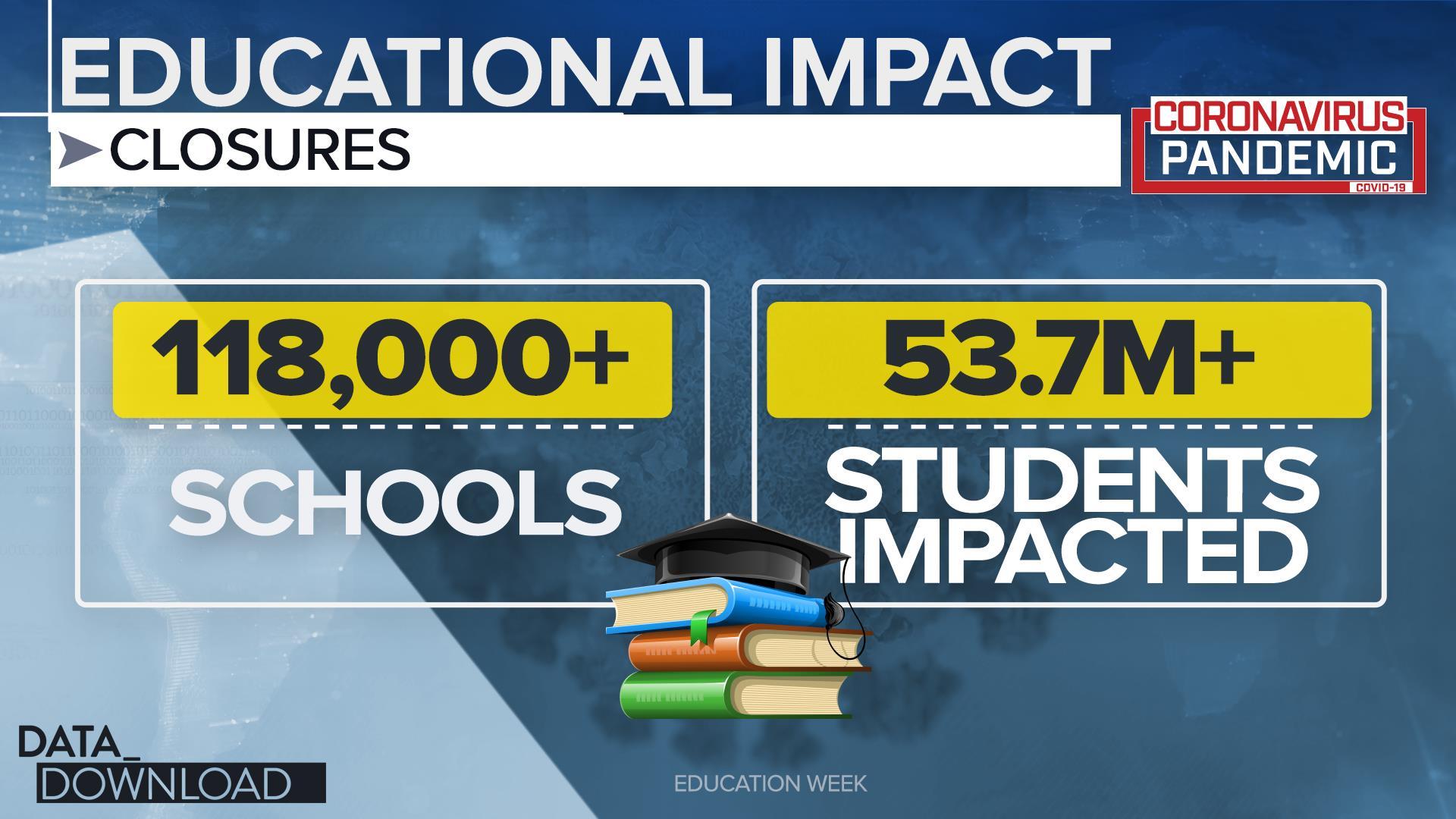
As the world reflects on the profound impacts of the COVID-19 pandemic, one of the most contested decisions has been the closure of schools. In a new report from The New York Times, experts and educators analyse the lessons learned from these unprecedented shutdowns and what they mean for future public health crises. This article delves into the complex balance between protecting public health and safeguarding children’s education,exploring how strategies have evolved and what measures could better prepare schools for the next pandemic.
The Impact of School Closures on Student Learning and Mental Health
Extended interruptions in customary classroom settings have left an indelible mark on student achievement worldwide. Studies illustrate stark declines in math and reading scores, with younger and marginalized students bearing the brunt of learning loss. Remote learning, while a vital stopgap, exposed deep inequities such as limited access to technology and inconsistent digital literacy among students and educators. Moreover, the absence of in-person instruction disrupted routine assessment and immediate support mechanisms, resulting in uneven academic progress across regions.
Equally concerning has been the toll on mental health, as isolation and uncertainty eroded young learners’ emotional resilience. Increased reports of anxiety, depression, and behavioral challenges underscore a critical need for thorough support frameworks within schools. Key factors contributing to these challenges include:
- Social disconnection: Reduced peer interaction hindered social advancement.
- Stress and anxiety: Health fears and altered daily routines elevated psychological strain.
- Limited support services: Access to counselors and mental health resources was curtailed.
| Impact Area | Observed Effect | Percentage of Students Affected |
|---|---|---|
| Academic Performance | Decline in standardized test scores | 70% |
| Emotional Wellbeing | Increased anxiety and depression rates | 55% |
| Social Skills | Diminished peer interaction | 60% |
Balancing Public Safety and Educational Needs in Crisis Situations
Decision-makers face a complex dilemma when weighing the need to protect communities against the critical functions schools serve beyond academics. The impact of closures extends into the social and emotional development of children, exacerbates inequalities, and strains families’ ability to maintain a stable routine. Schools often act as lifelines by providing access to meals,counseling,and safe environments,particularly for vulnerable populations. Thus, emergency responses must balance epidemiological data with the nuanced realities of educational ecosystems.
Emerging strategies suggest a multi-pronged approach:
- Targeted closures: Limiting shutdowns to localized outbreaks rather than district-wide or statewide mandates.
- Hybrid models: Combining remote and in-person learning to minimize virus transmission while preserving critical face-to-face interaction.
- Robust support systems: Ensuring access to technology and mental health resources during remote learning phases.
- Obvious communication: Keeping families, educators, and students informed to reduce anxiety and confusion.
| Factor | Impact on Decision |
|---|---|
| Community Transmission Rate | High rates often trigger pauses in in-person instruction |
| Access to Remote Learning Tools | Ensures continuity with minimal educational disruption |
| Mental Health Considerations | Supports decision toward maintaining some in-person contact |
Innovative Approaches to Remote Learning and Accessibility
As schools faced unprecedented closures, educators and technologists raced to develop new methods that kept learning accessible to all students, regardless of their circumstances. From interactive platforms incorporating real-time feedback to asynchronous modules tailored to diverse learning styles, remote education evolved beyond mere video lectures.Key innovations included adaptive learning tools that adjusted in difficulty based on student performance, as well as enhanced captioning and translation services that expanded accessibility for non-native speakers and students with disabilities. These tools not only bridged the digital divide but also set a new standard for inclusive education.
Notably, schools and districts that prioritized equity saw markedly better engagement and retention. The introduction of community Wi-Fi hotspots, distribution of devices, and partnerships with local organizations proved crucial in mitigating connectivity gaps. Below is a summary of some standout strategies:
- Integration of AI-driven personalized learning paths
- Use of closed captioning and sign language interpretation
- Development of offline digital content accessible on low-bandwidth
- Flexible scheduling to accommodate varied home environments
| Approach | Impact | Reach |
|---|---|---|
| Adaptive Learning Software | Increased student engagement by 40% | Used by 65% of districts nationwide |
| Community Internet Hubs | Bridged digital divide in rural areas | Supported over 200,000 students |
| Accessible Multimedia Lessons | Boosted comprehension for students with disabilities | Implemented in 40% of special education programs |
Policy Recommendations for Minimizing Disruption in Future Pandemics
To reduce the educational and social fallout of future pandemics, policymakers should prioritize a layered approach that balances virus mitigation with children’s access to in-person learning. Key strategies include:
- Early investment in digital infrastructure to support remote education when closures are unavoidable.
- Targeted, localized closures based on outbreak severity rather than blanket mandates.
- Enhanced support for vulnerable students, ensuring equitable access to learning resources and mental health services.
- Flexible academic calendars to accommodate make-up days and reduce lost instructional time.
Additionally, transparent communication and collaboration with educators, families, and public health officials are critical to fostering trust and compliance. The table below outlines how these policies could have mitigated the impact during the COVID-19 pandemic:
| Policy | Potential Impact |
|---|---|
| Digital Infrastructure Investment | Reduced learning loss by 40% |
| Localized Closures | Minimized disruption, kept 65% of schools open |
| Support for Vulnerable Students | Increased engagement by 30% |
| Flexible Academic Calendars | Recovered 20% of missed instructional time |
Insights and Conclusions
As the world prepares for the next global health crisis, the lessons gleaned from recent school closures are invaluable. Policymakers and educators must weigh the complex trade-offs between safeguarding public health and ensuring uninterrupted learning. The New York Times underscores that future responses should be guided by data-driven strategies, clear communication, and equitable support systems to mitigate the profound impacts on students and communities. Ultimately, a balanced and informed approach will be essential to protect both lives and education in any forthcoming pandemic.